Photographer
arata
dodo
scroll
対岸
1 / 42
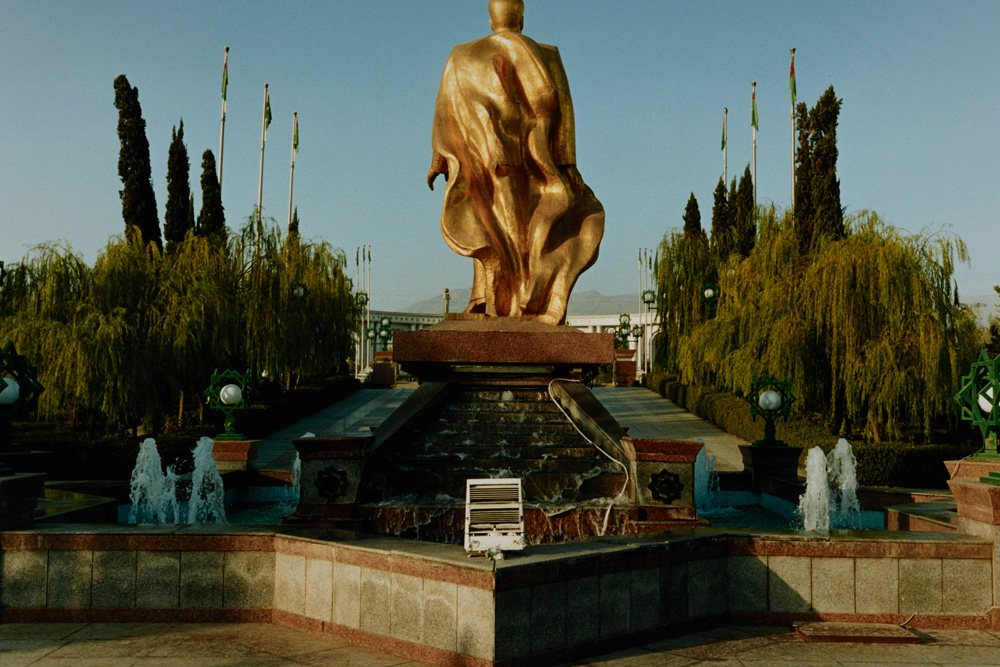
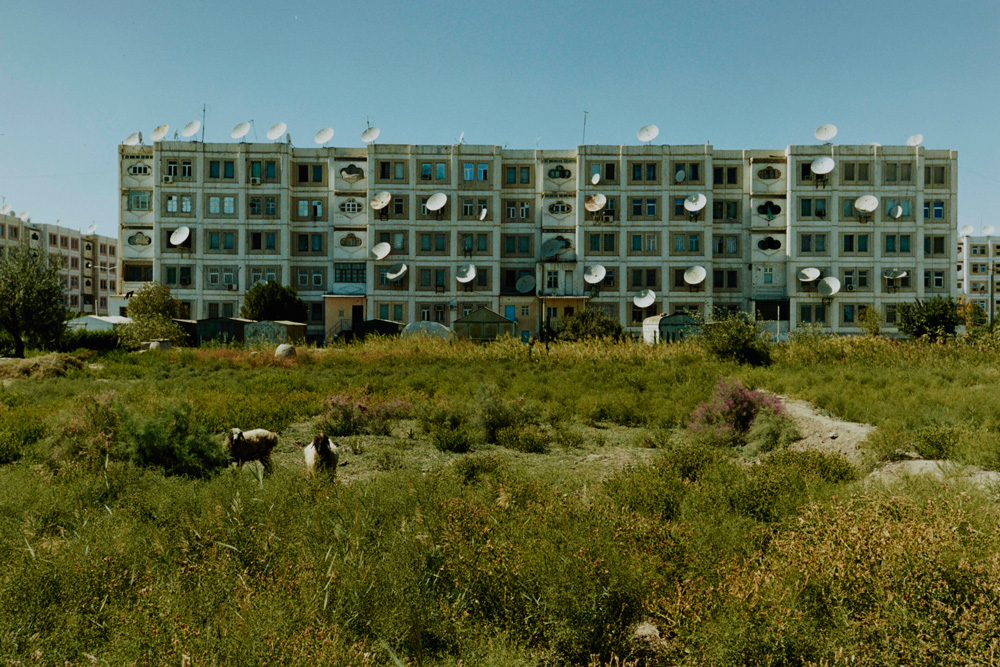
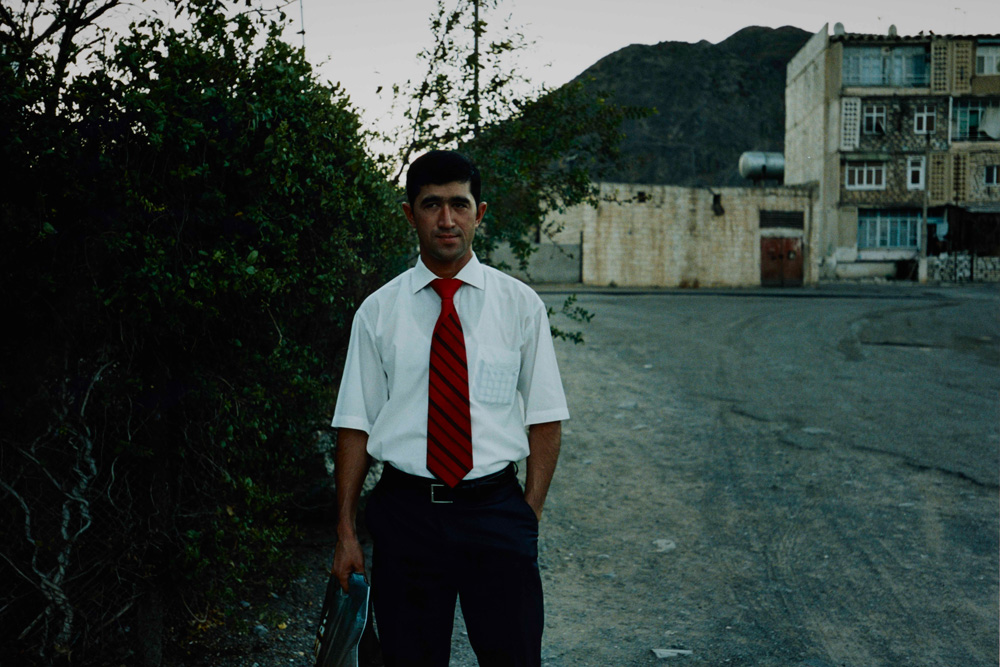
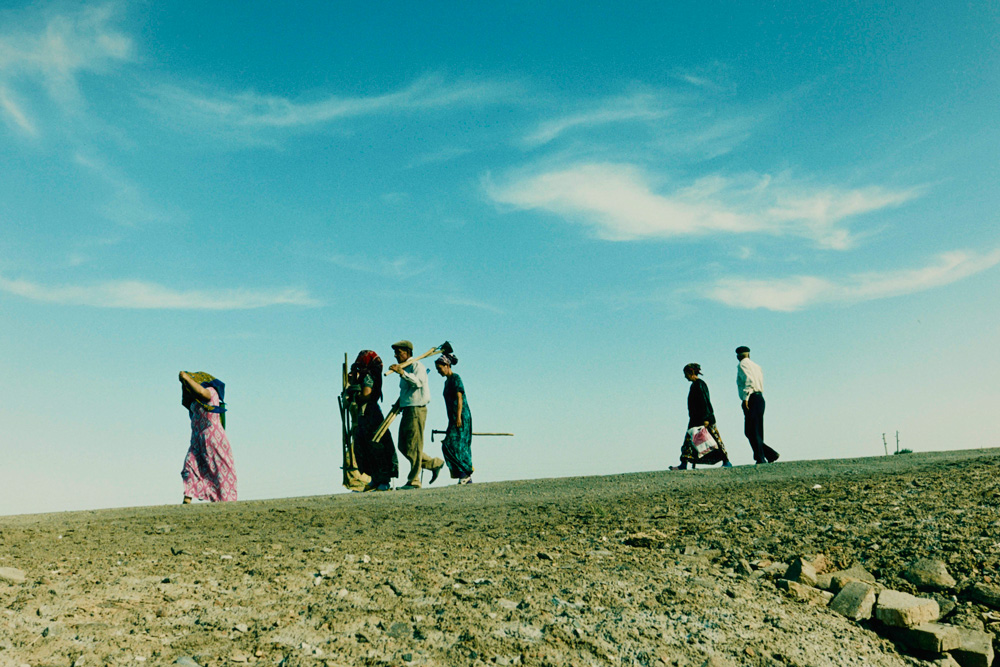
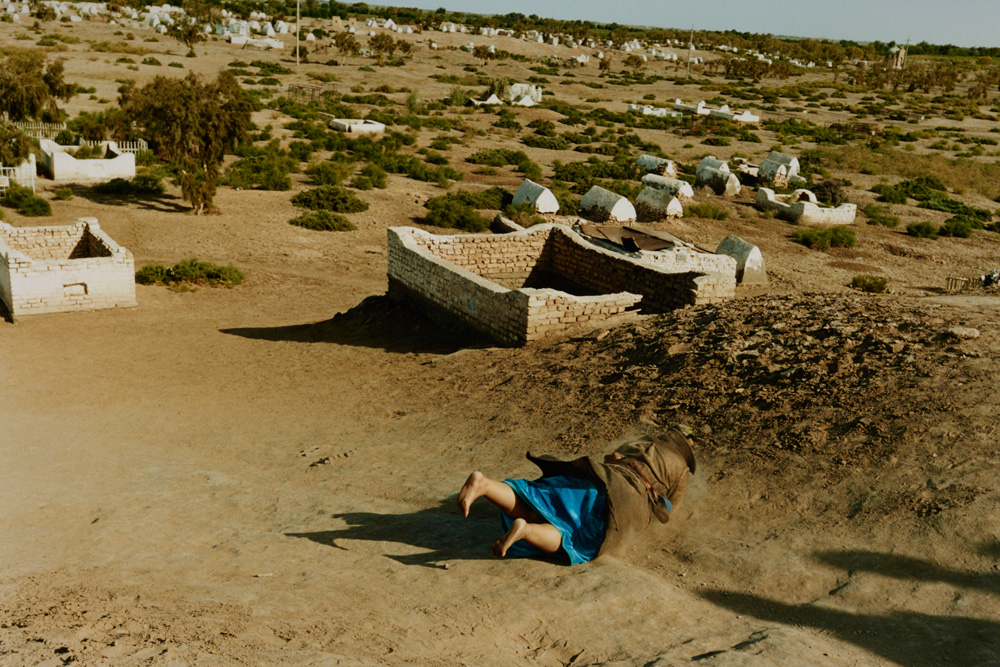
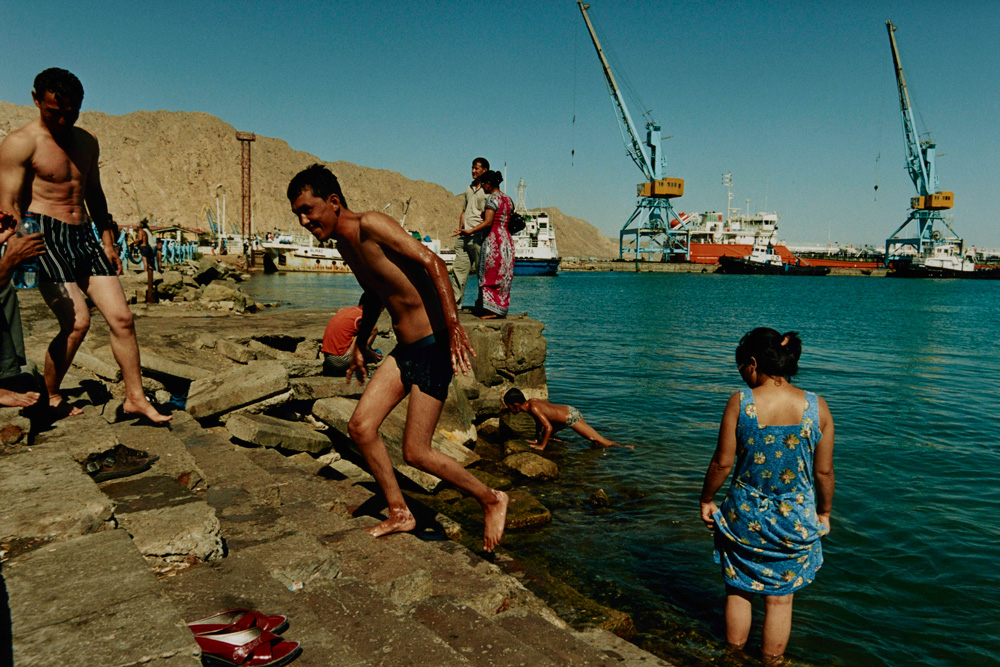
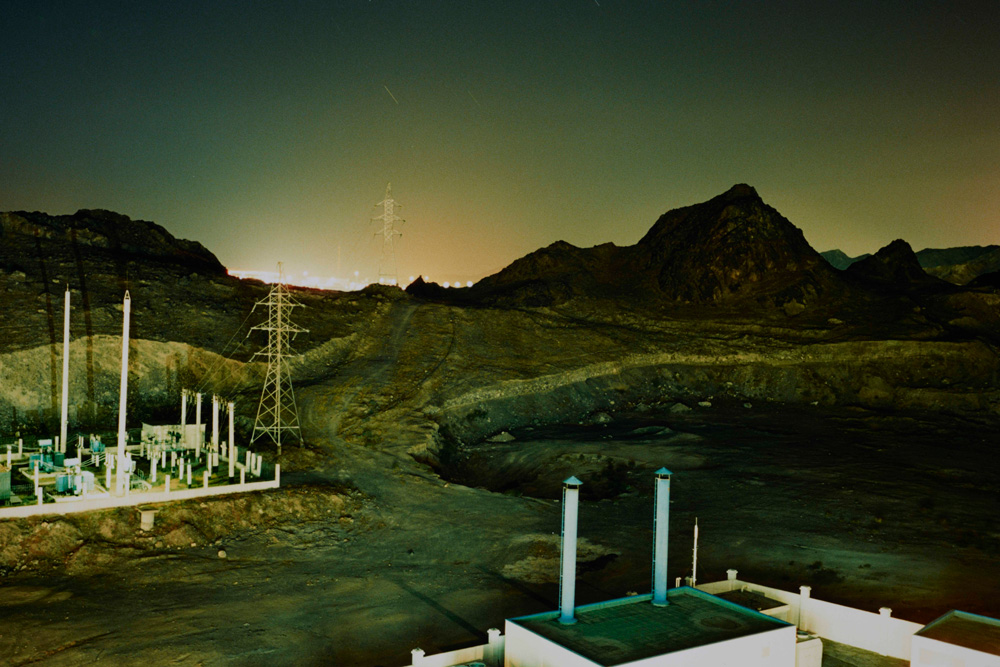
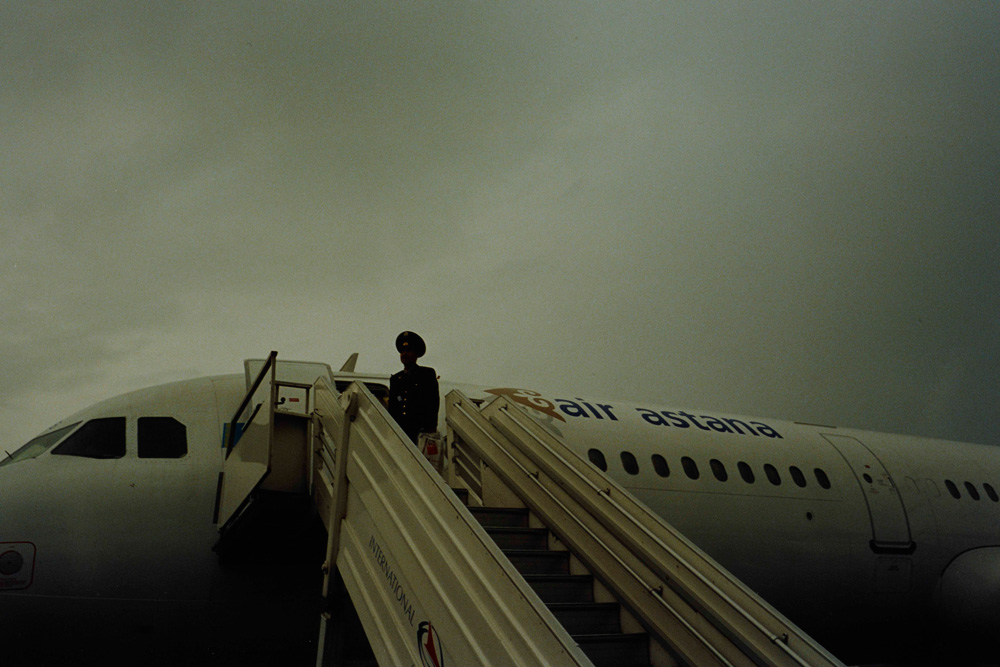
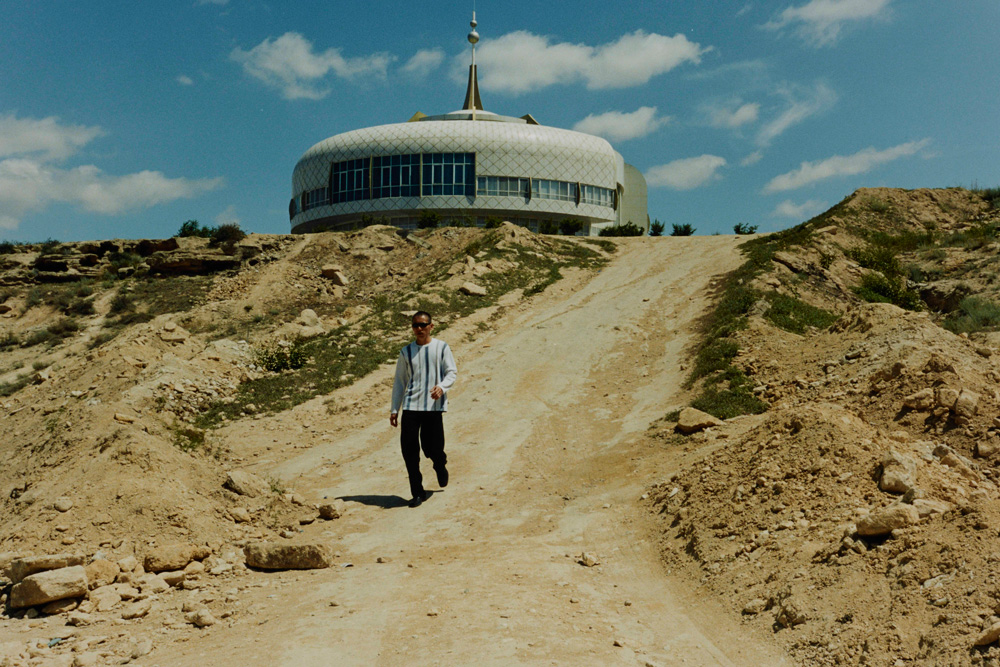
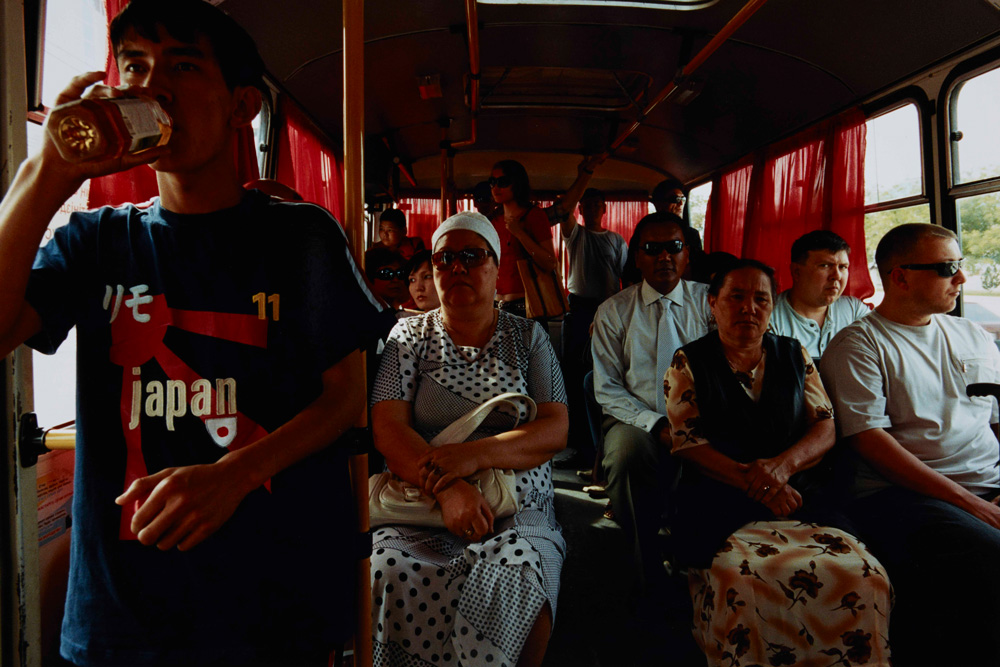
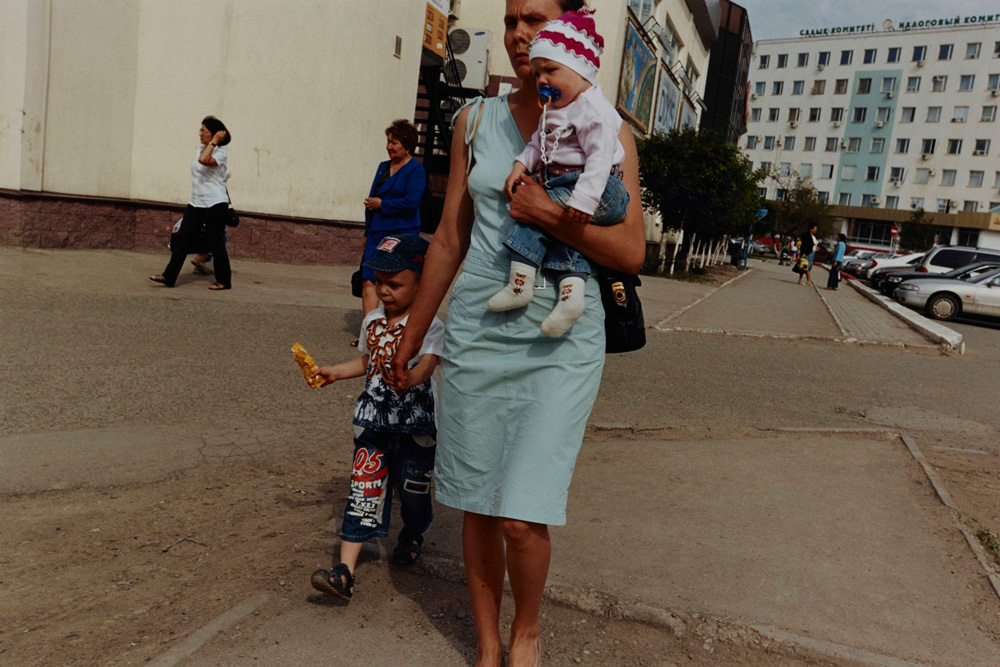
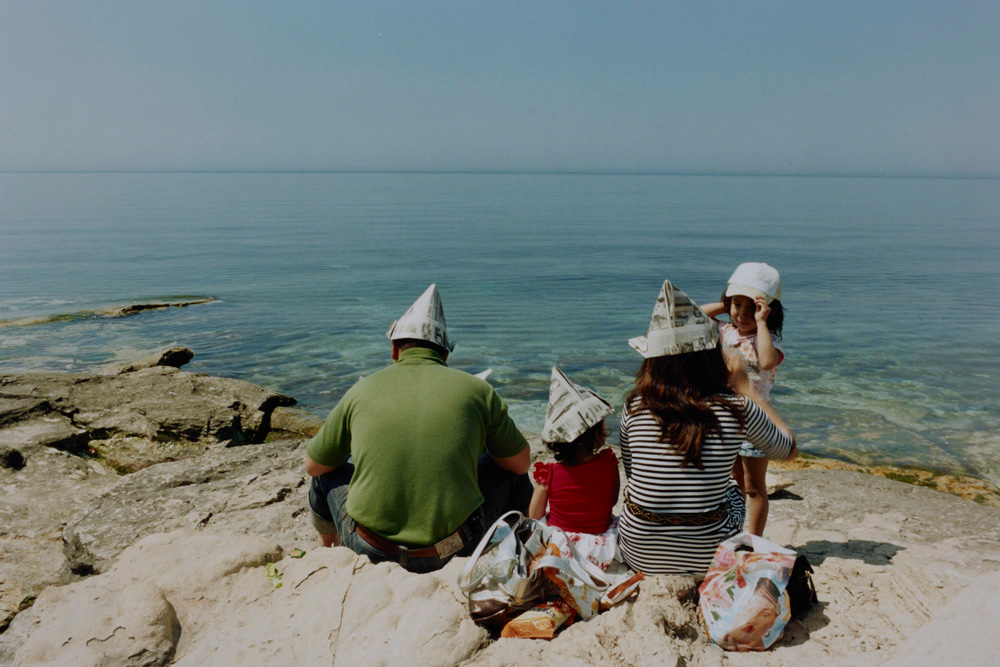
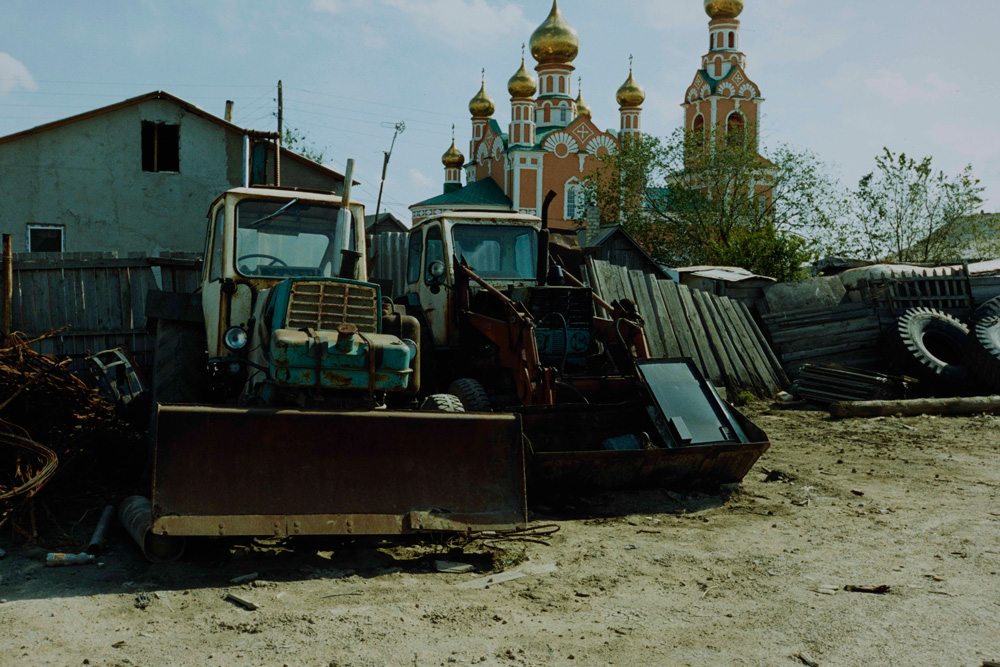
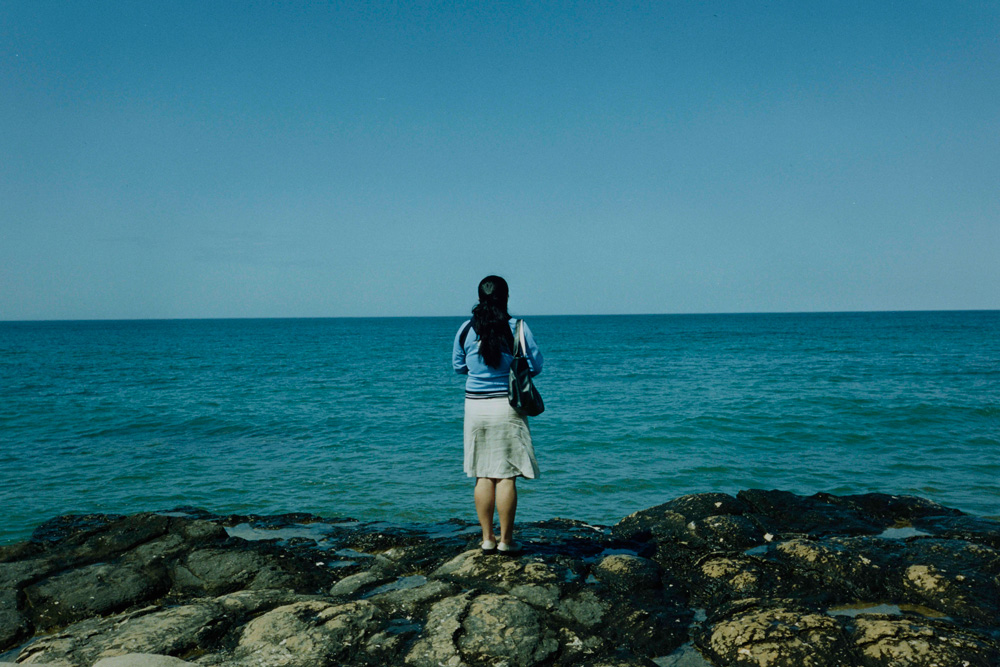
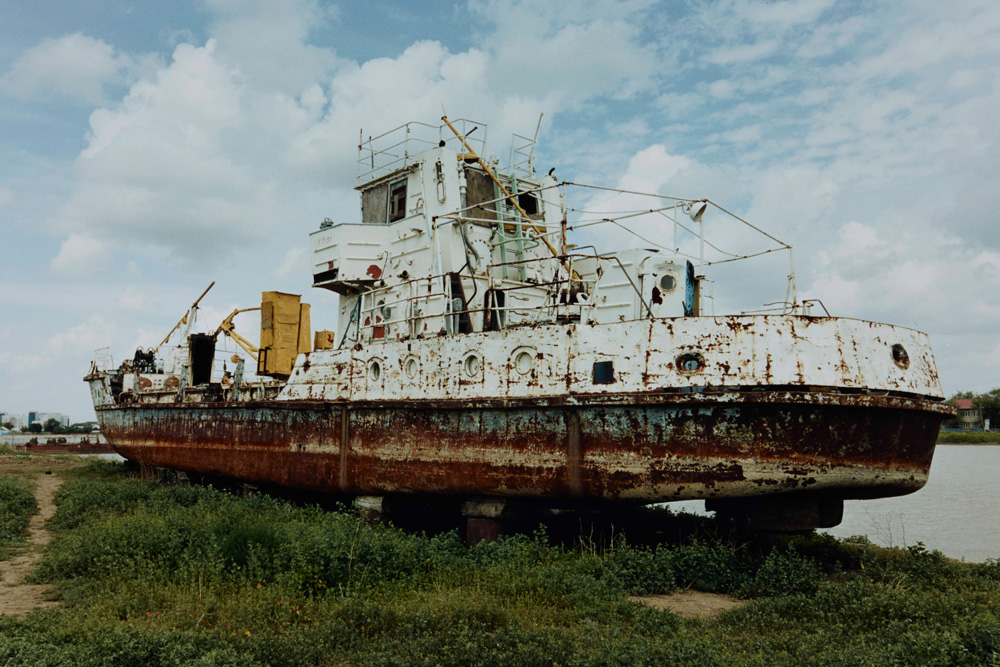
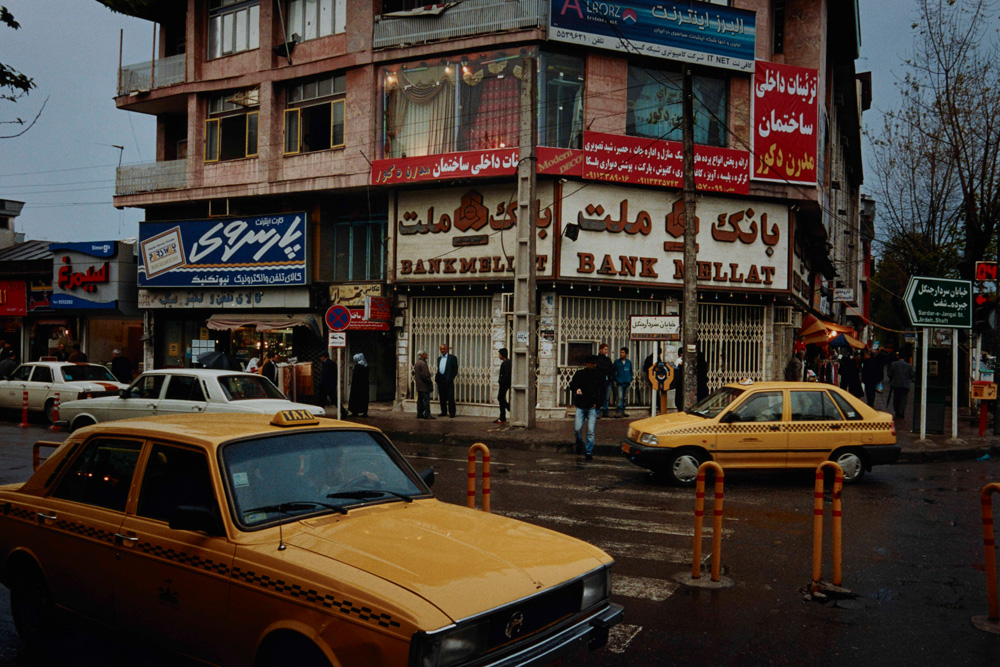
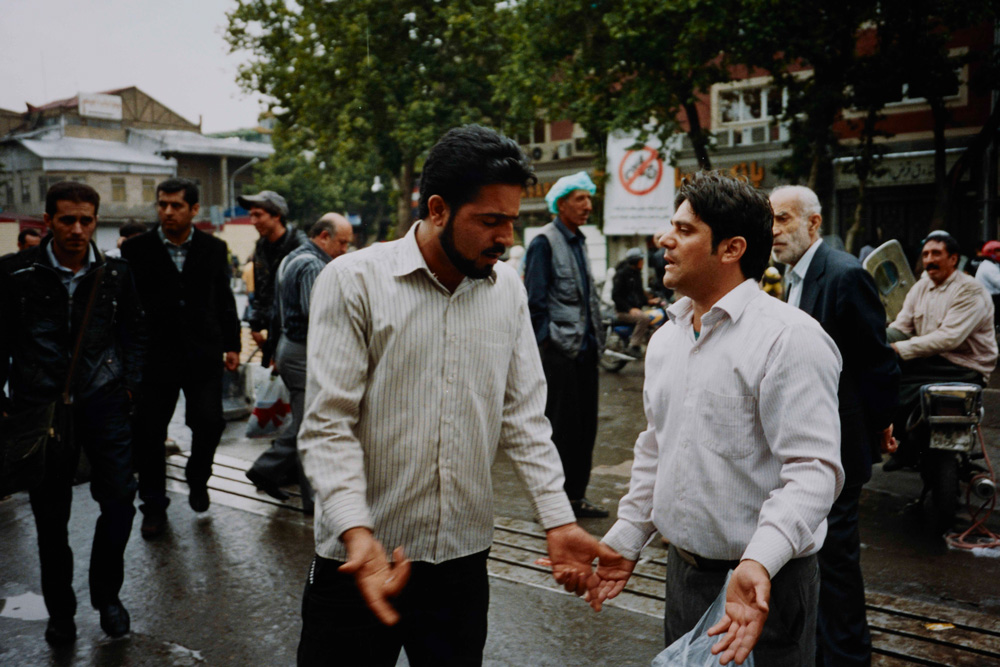
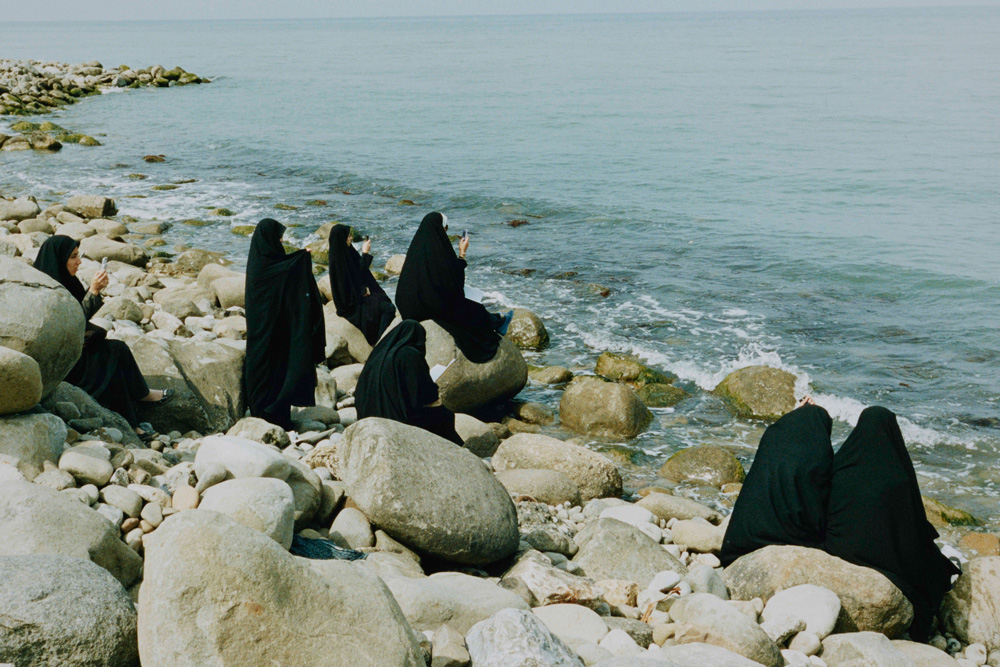
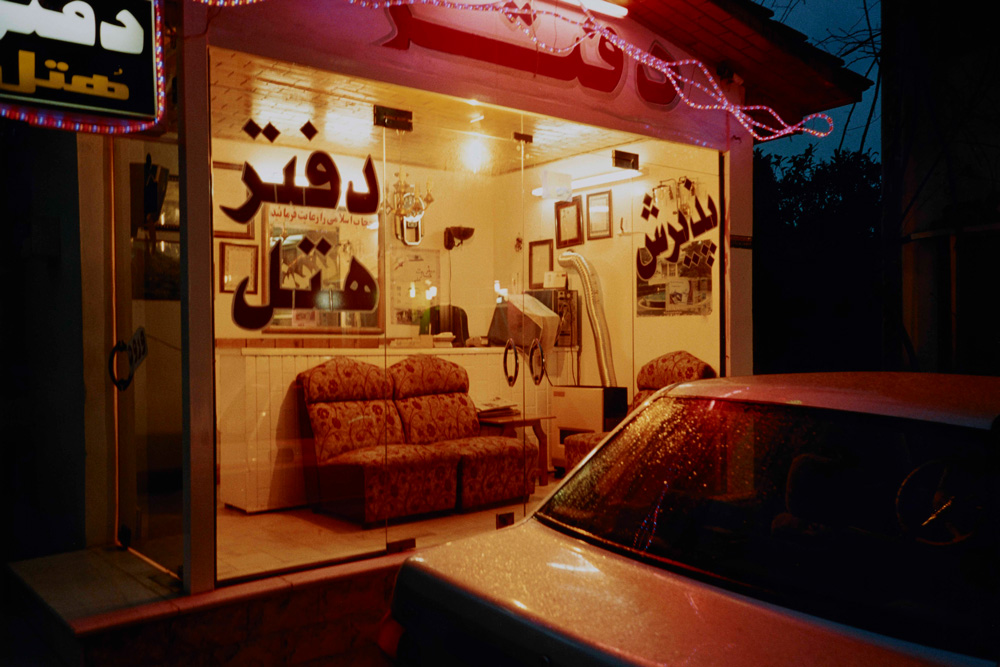
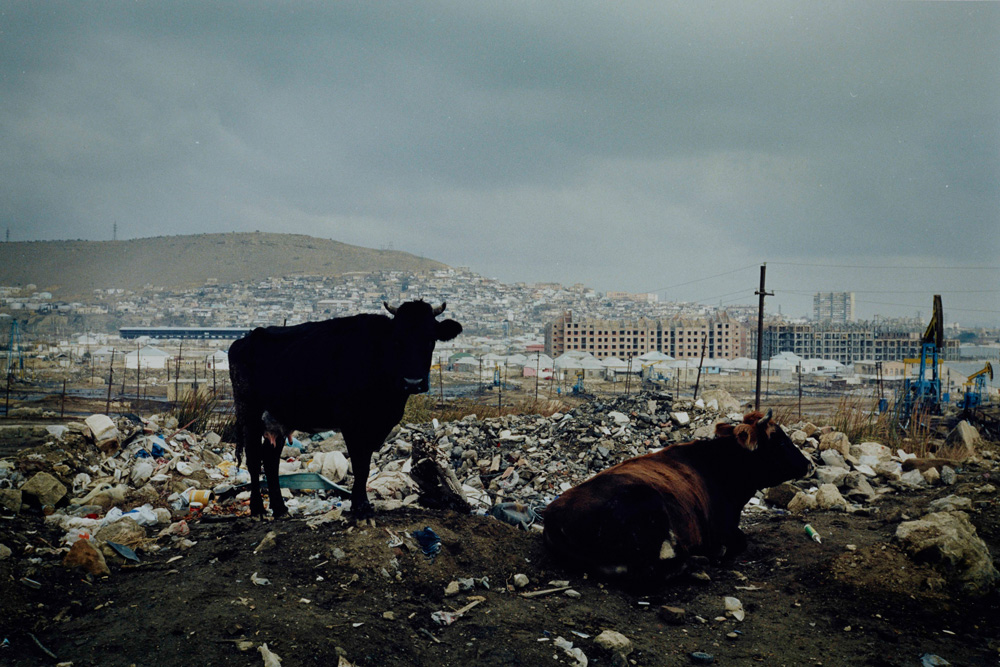
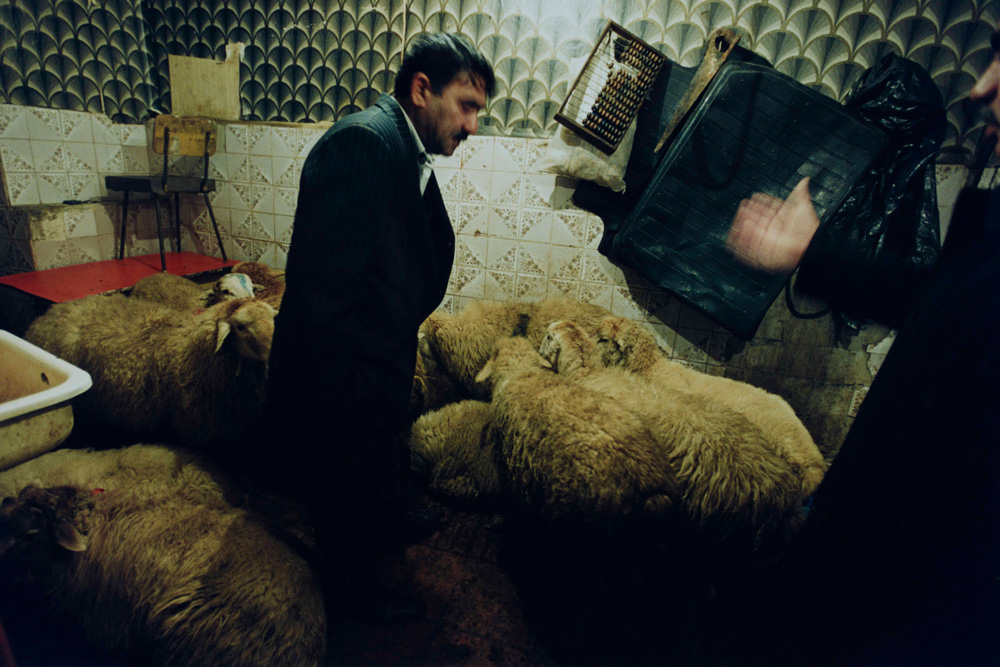
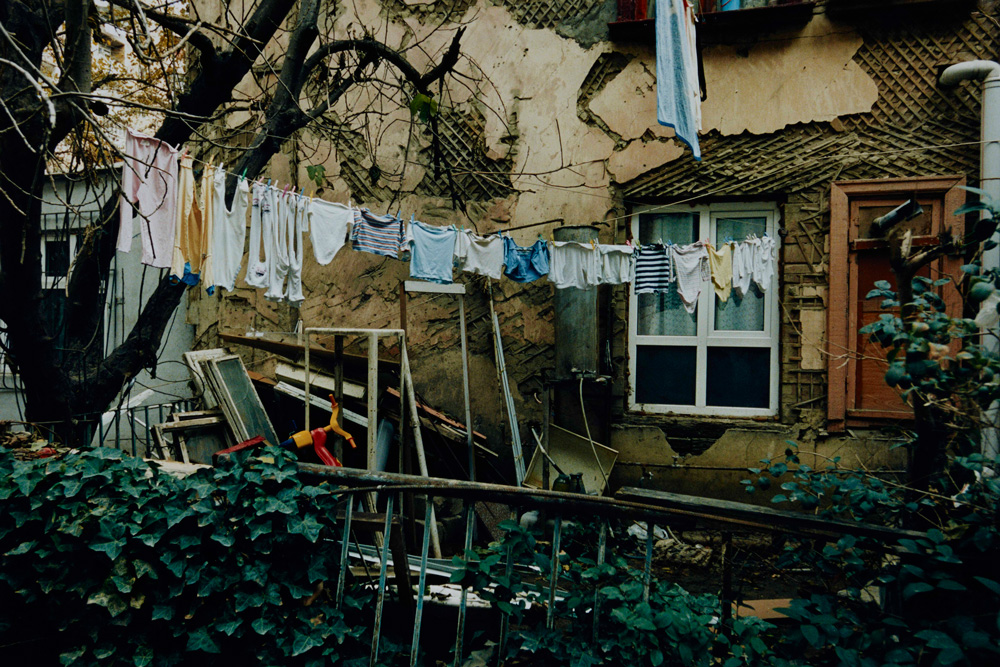
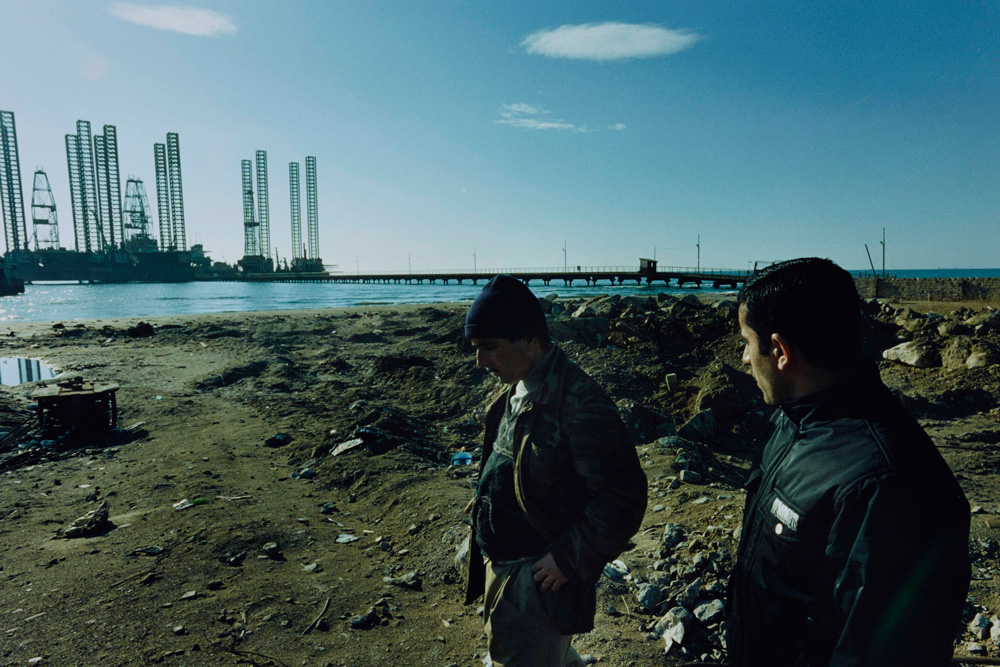
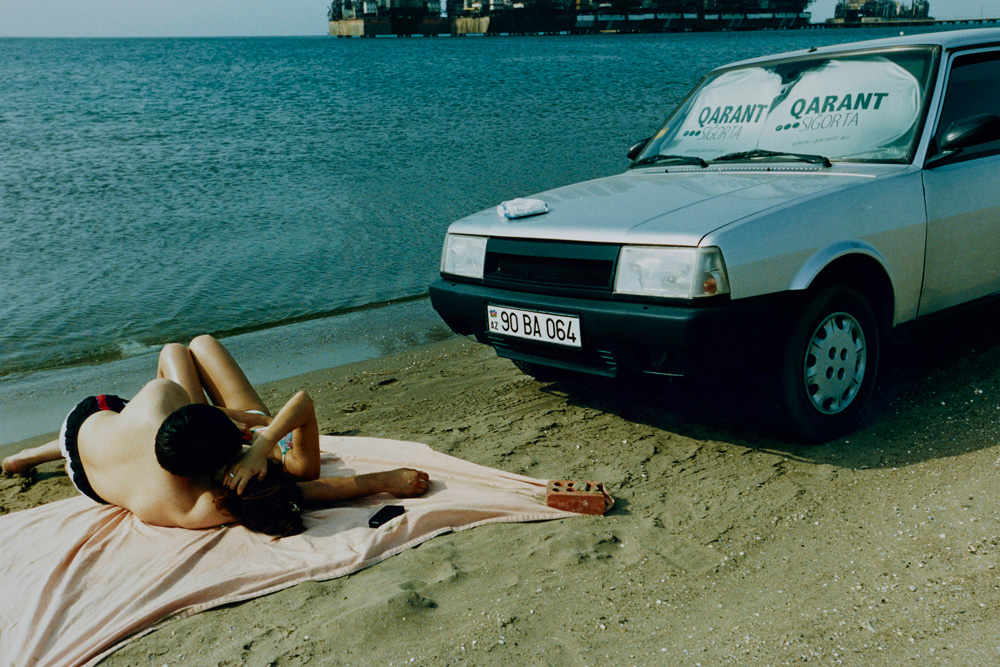
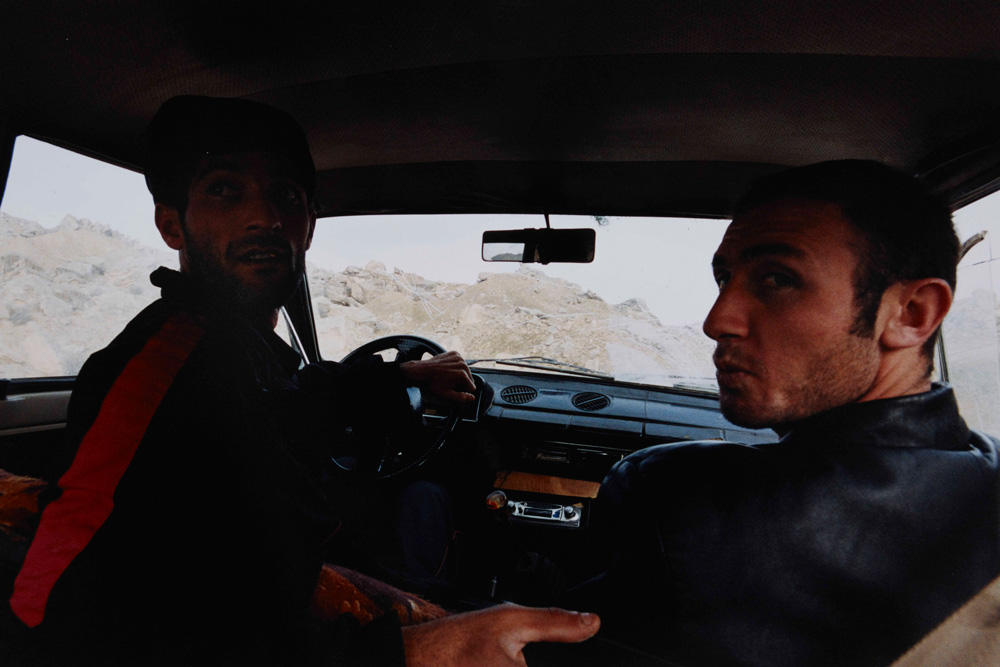
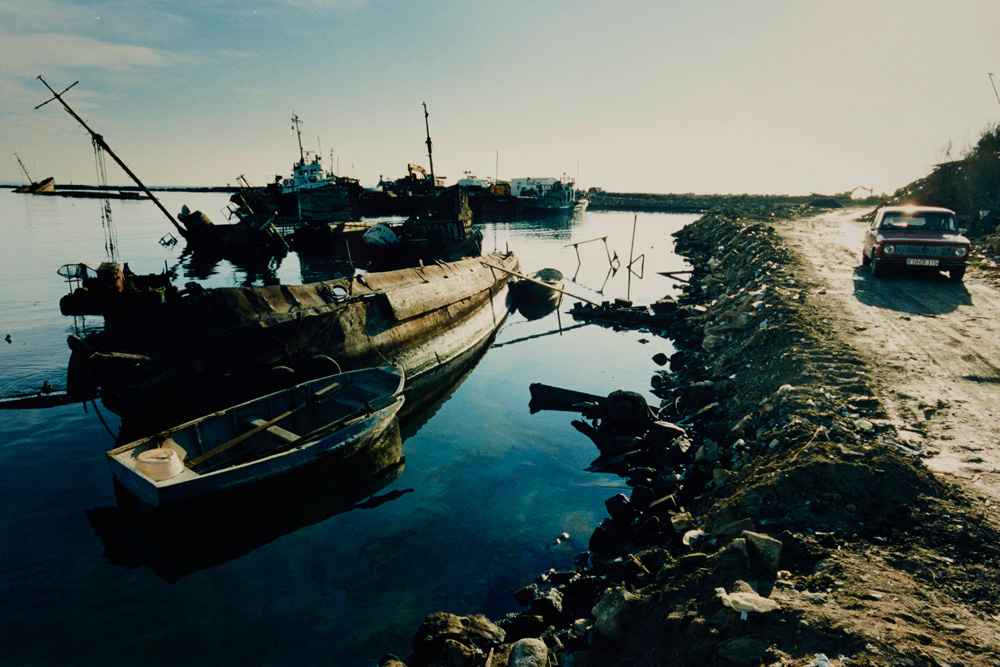
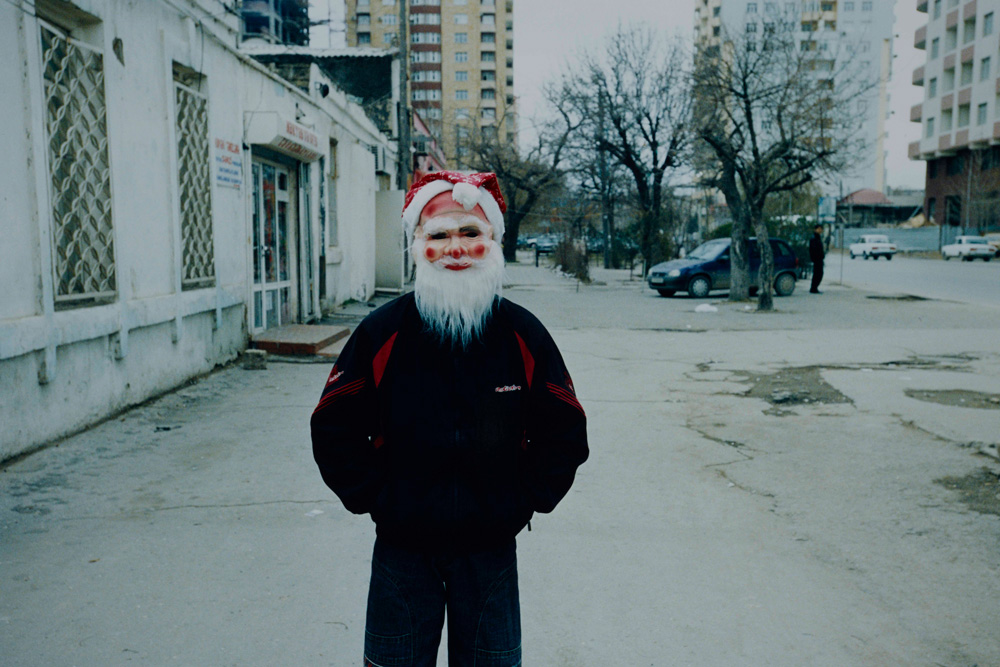
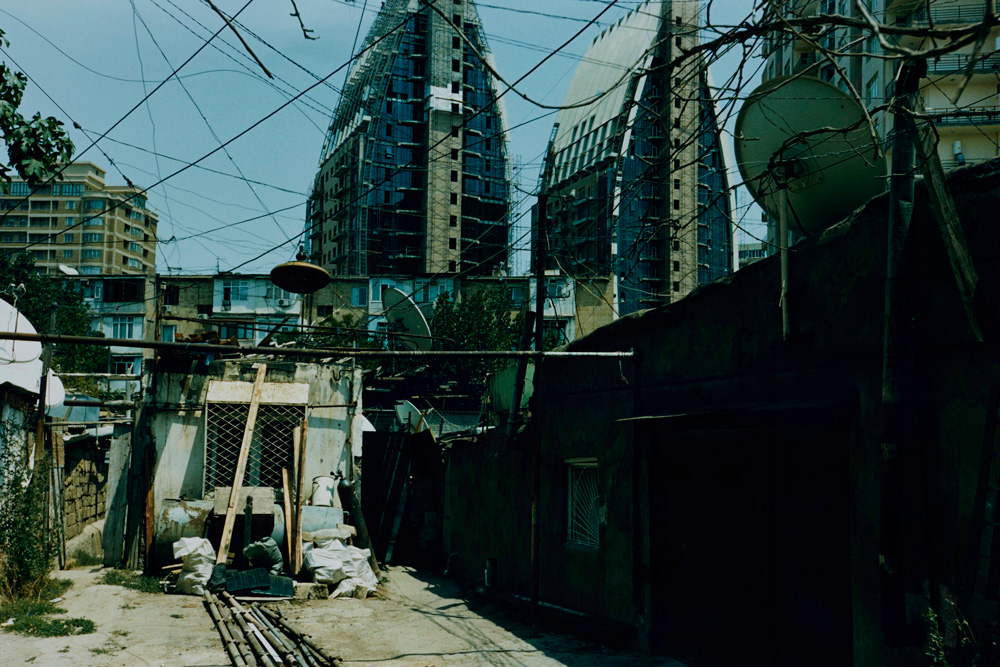
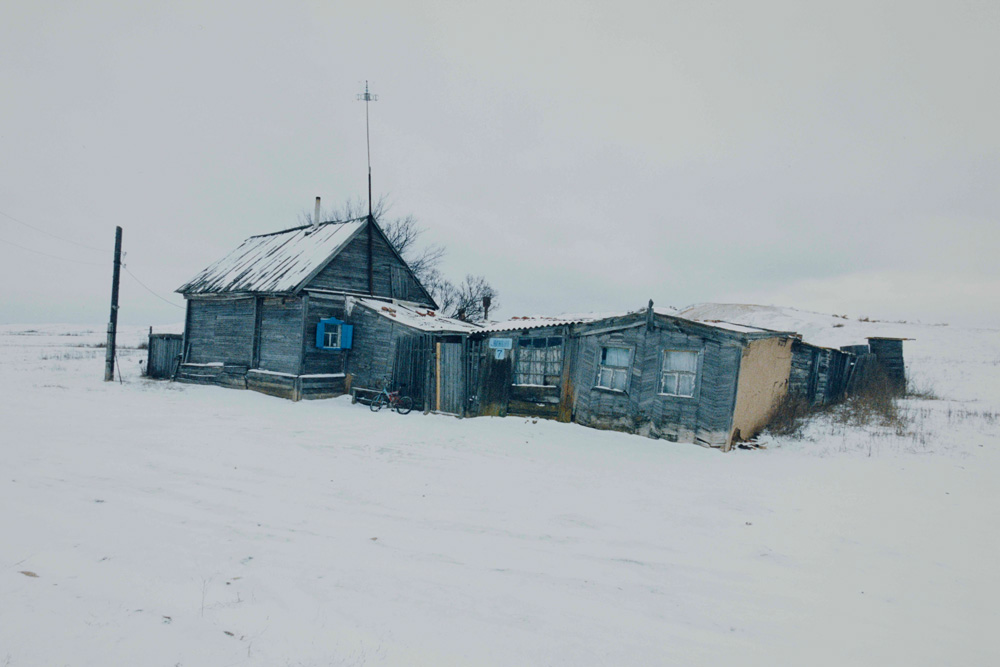
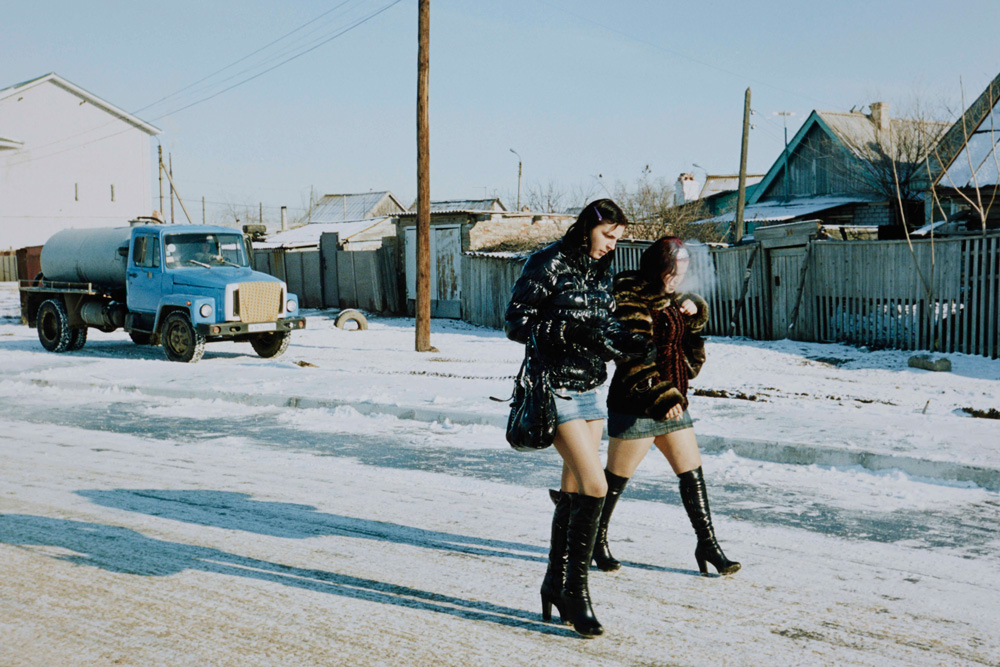
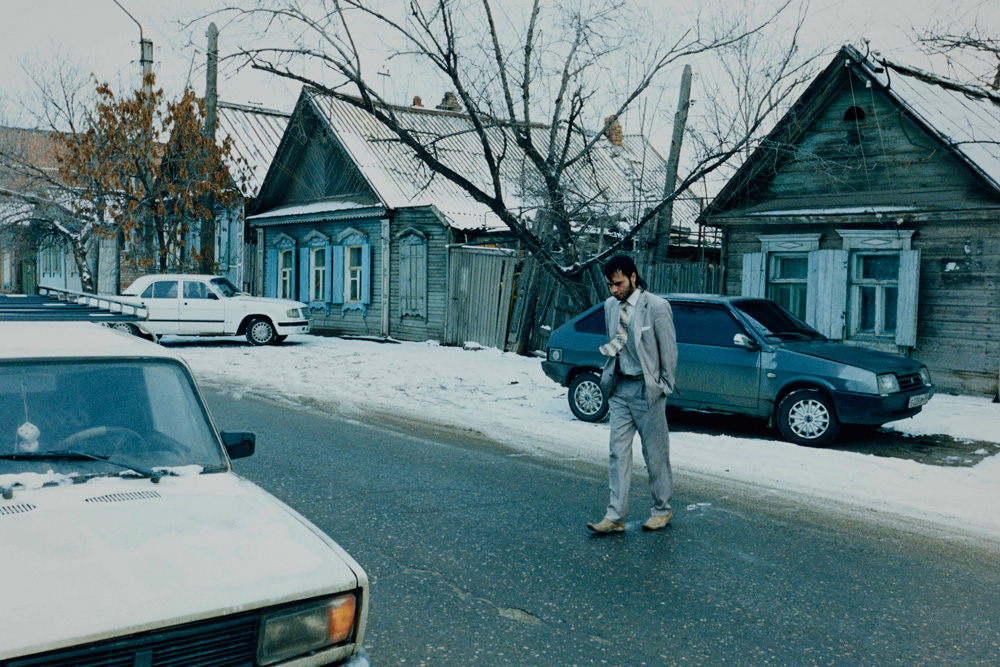
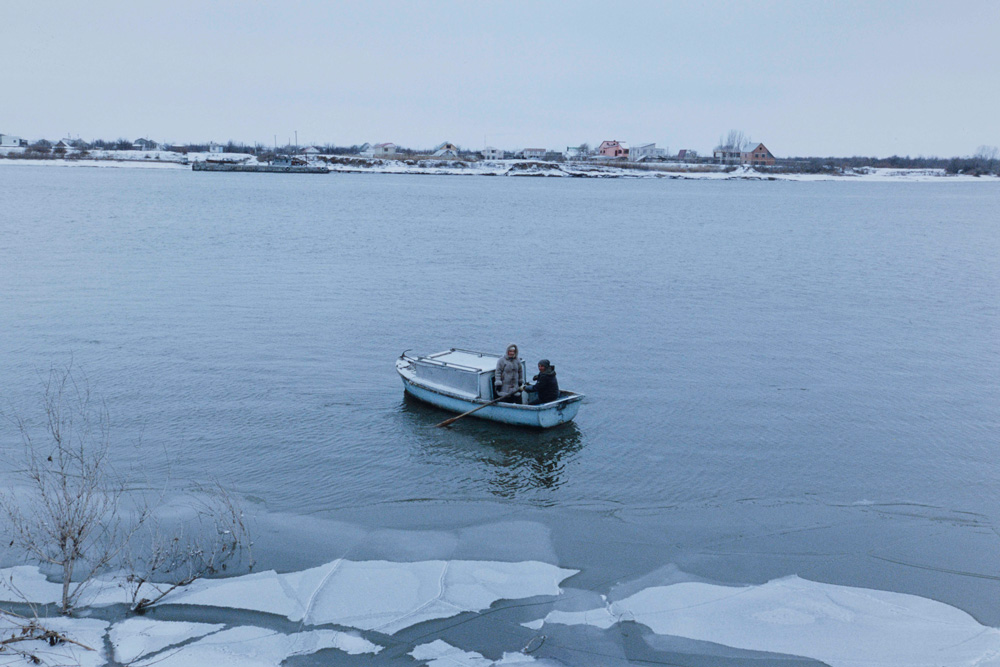
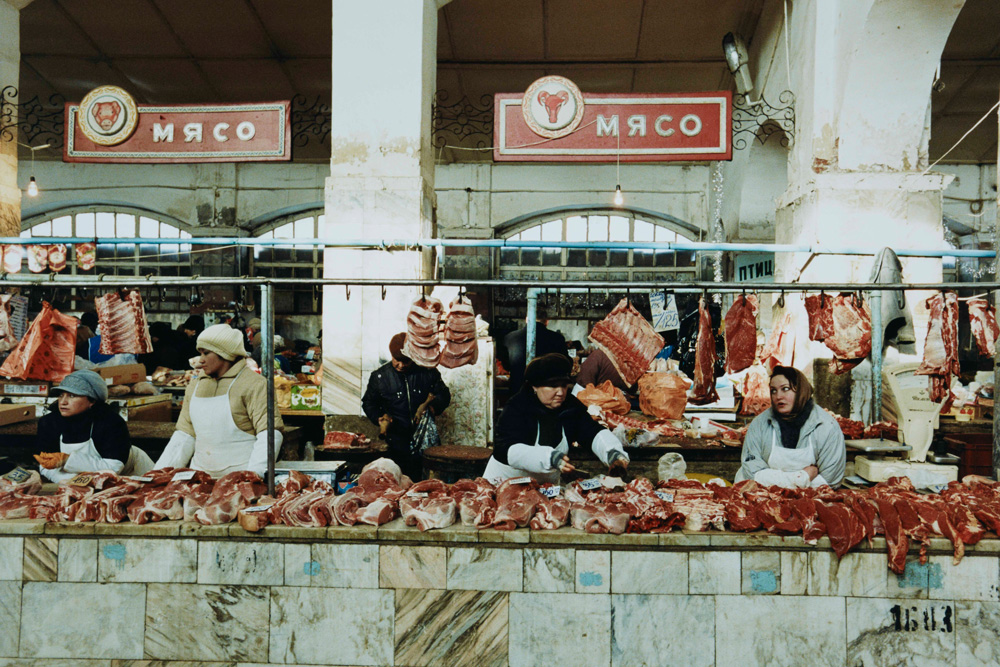
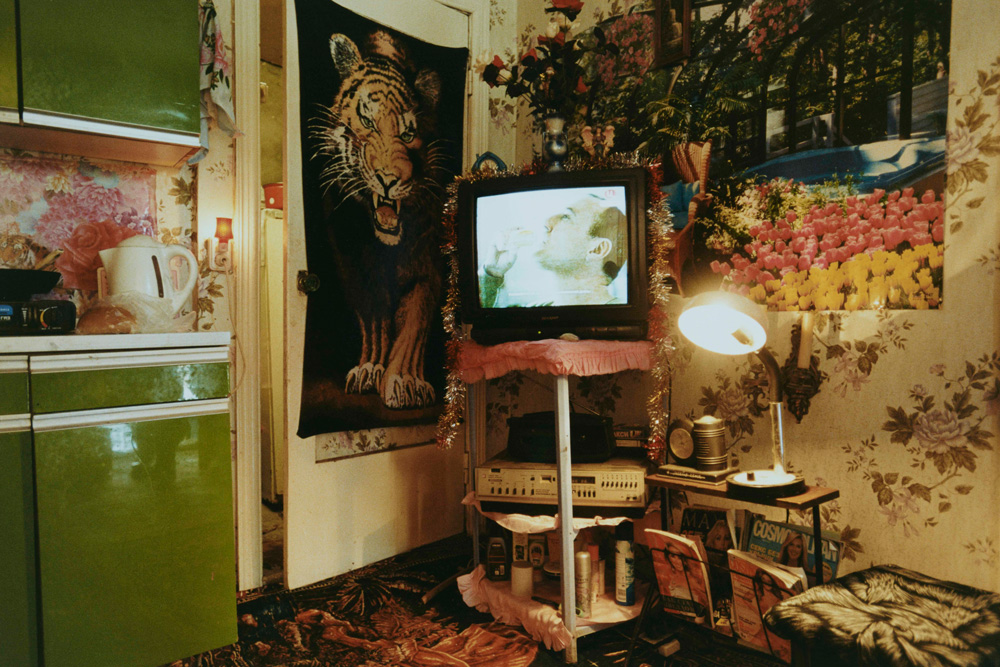
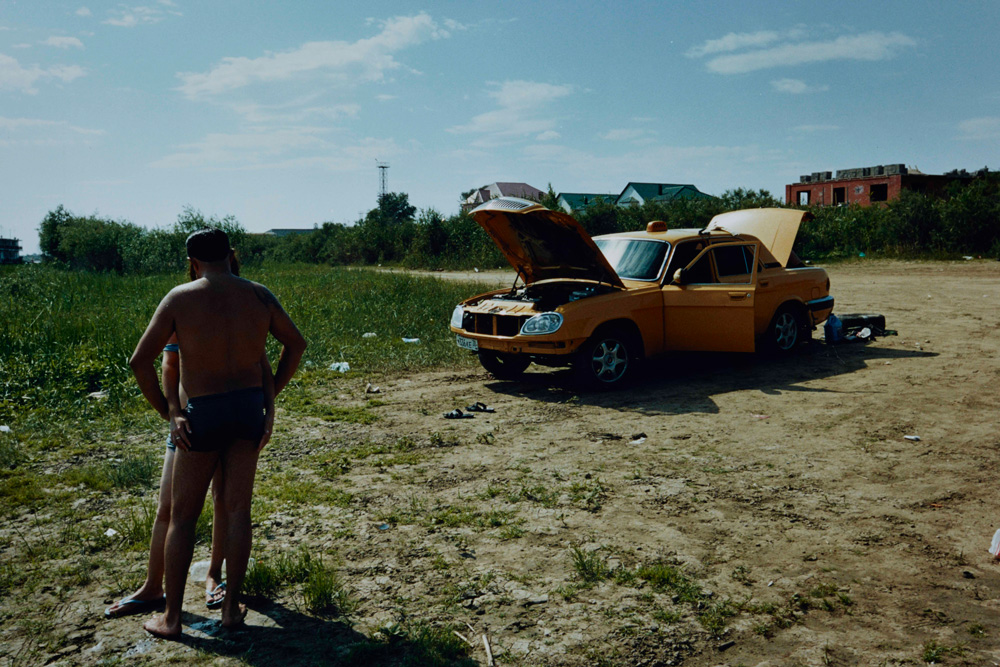
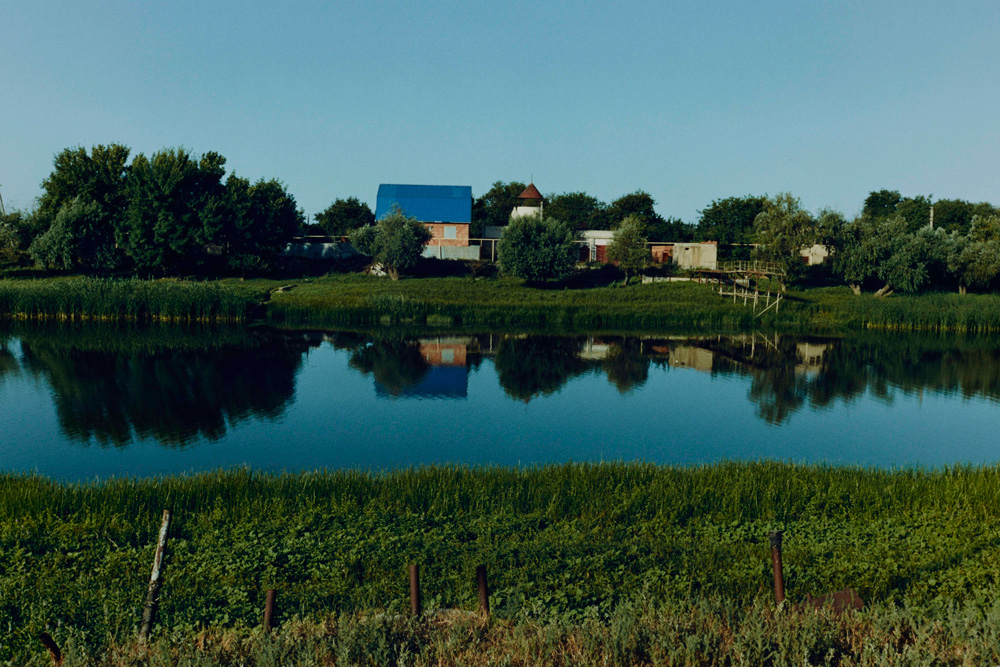
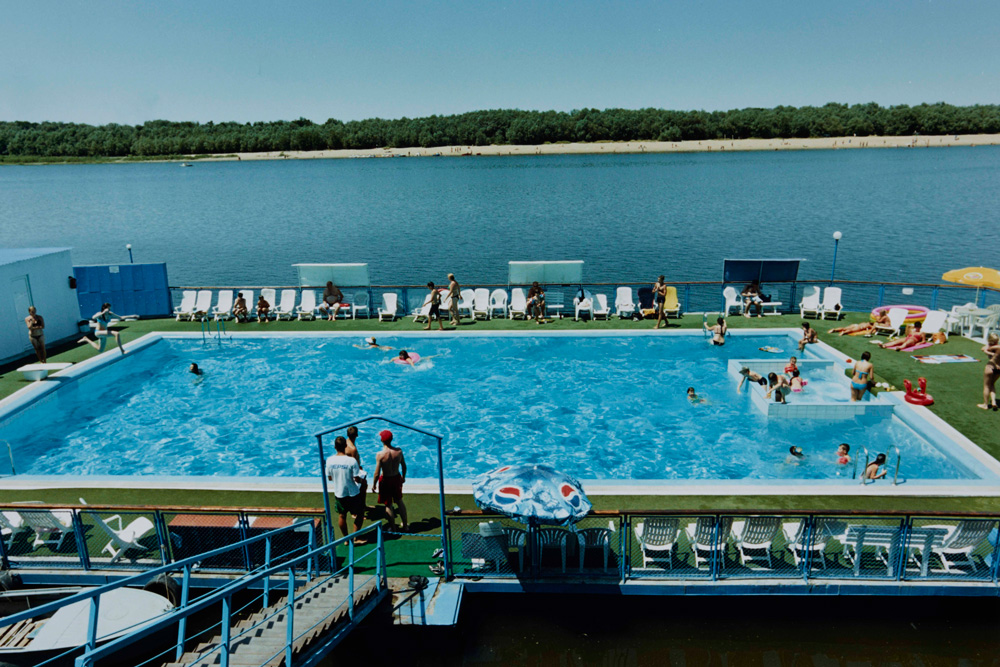
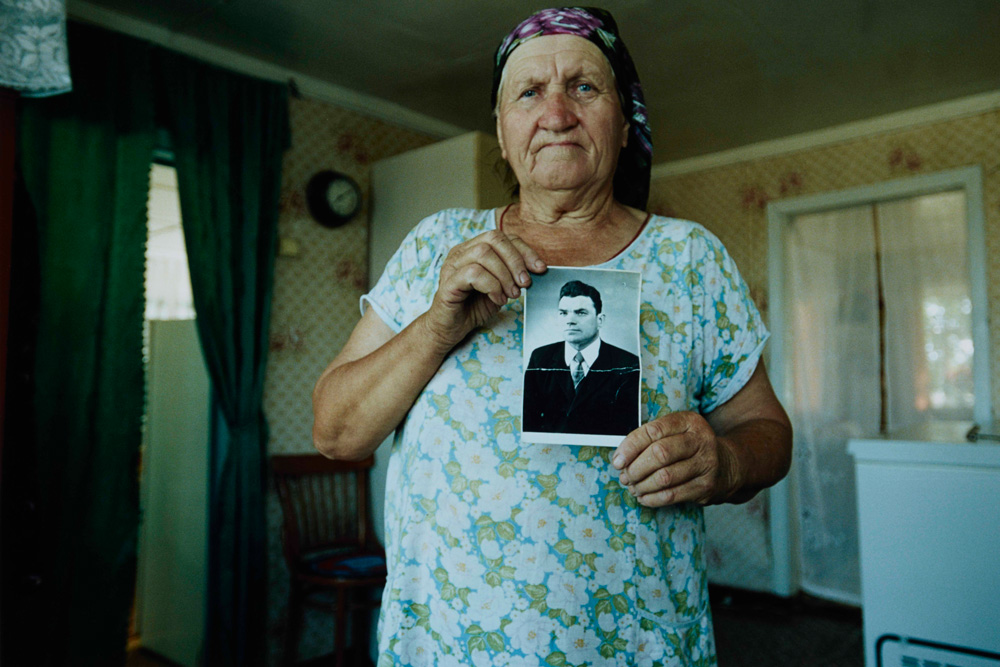
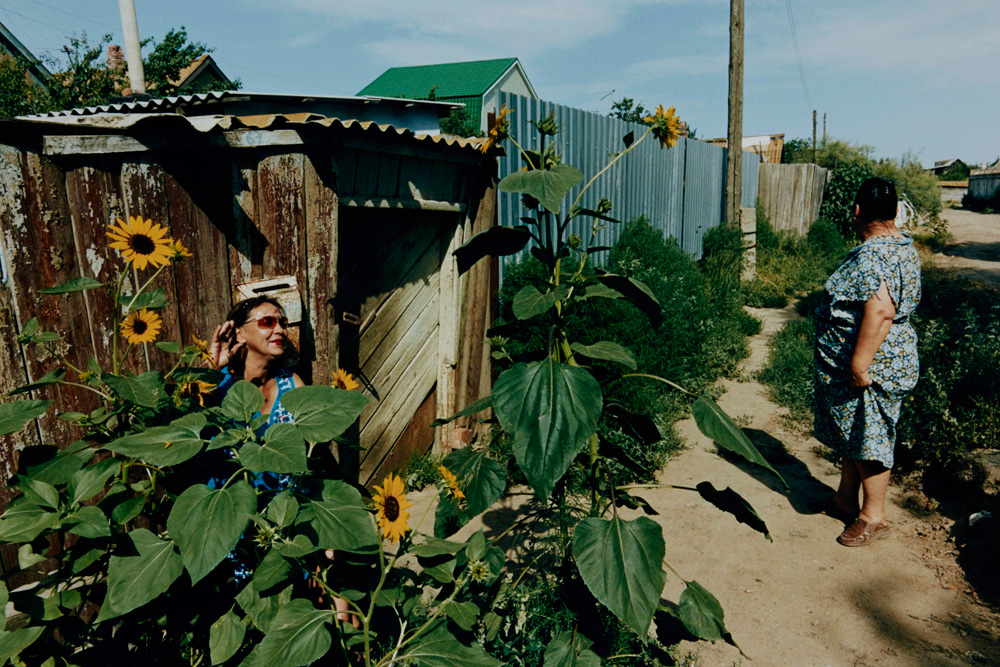
シルクロードをたどれば世界一の湖がある。
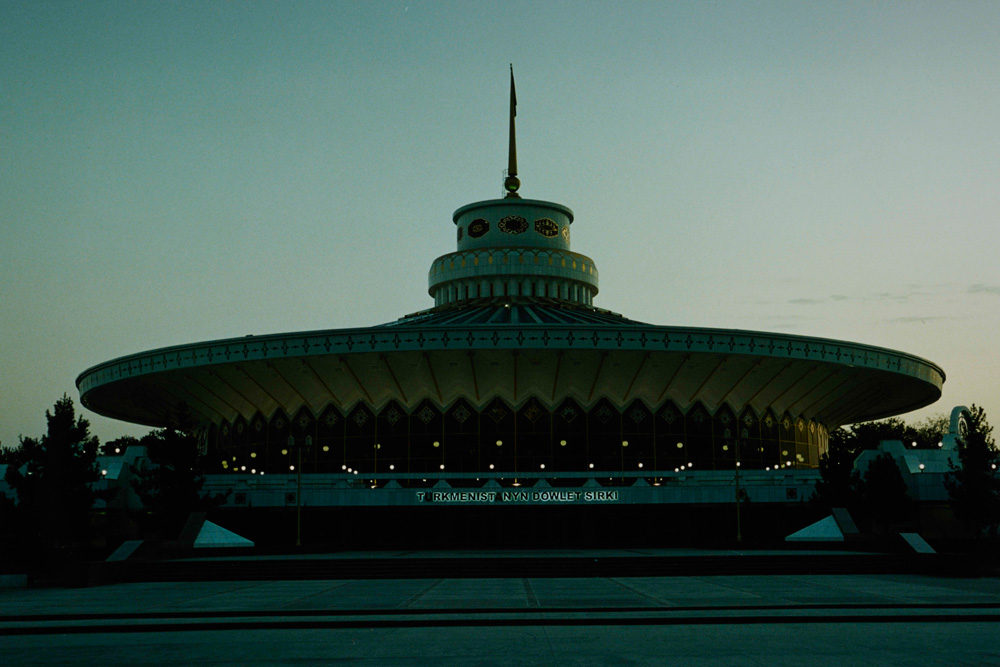
1991年ソ連邦解体により沿岸共和国が独立しロシア、アゼルバイジャン、カザフスタン、トルクメニスタン、イランと5つの国ができた。
古来より人の往来の激しい地域。
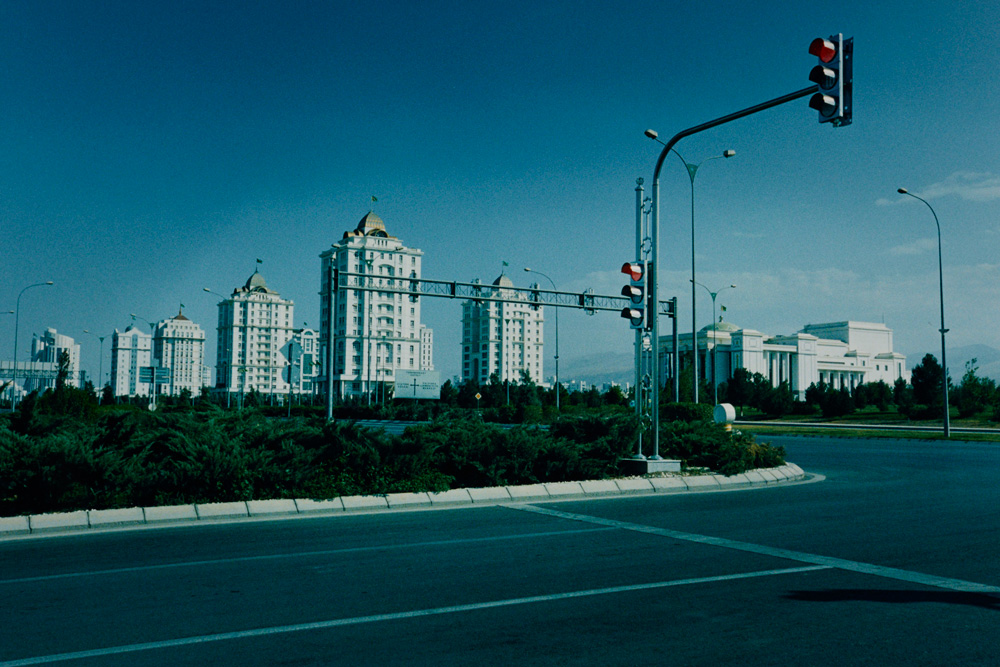
OILとGAS資源を握る支配者たちは資金力を駆使してこの世の理想郷を創るがごとく、出口のない海のまわりで大いなる実験を繰り広げている。
脈々と受け継がれるそれぞれの信仰は均一化される世界に抵抗するようでもある。
人々は見えない岸を目指しカスピ海の中でさまよえる輪廻の船を浮かべ進める。
カスピの岸に立って見えない対岸をおもう。
寄せたり引いたりしながら宇宙人が飛来するかのようにピンポイントで沿岸の街を訪れる。
この未来があるのかないのかわからない土地を見ることで、自らの進む岸を探しているように思える。
Follow the Silk Road and you will find the largest lake in the world at its end.
In 1991, after the Soviet Union had dissolved, the five countries Russia, Azerbaijan, Kazakhstan, Turkmenistan and Iran gained their independence.
The region has been rife with population and settlement changes since ancient times. The leaders who take hold of resources like gas and oil make free use of their financial resources to try and create paradise on earth in these lands.
Huge experiments are underway on the shores of this sea without exit.
The many religious faiths which have existed here for countless generations seem to stage their own revolts against the homogenization of the world.
Aiming for a shore beyond their reach, people launch on journeys into the Caspian Sea that will last for generations.
I stand on the shore of this sea and think of the coast on the other side, too far away to ever reach my eyes.
Feeling myself drawn, sometimes pushed towards them, I visit the towns along the lakeshore with the pinpoint precision of an alien arriving in a spaceship.
Traveling through this region, aware of its unsure future, I feel myself searching for my own unknown shore to land on.
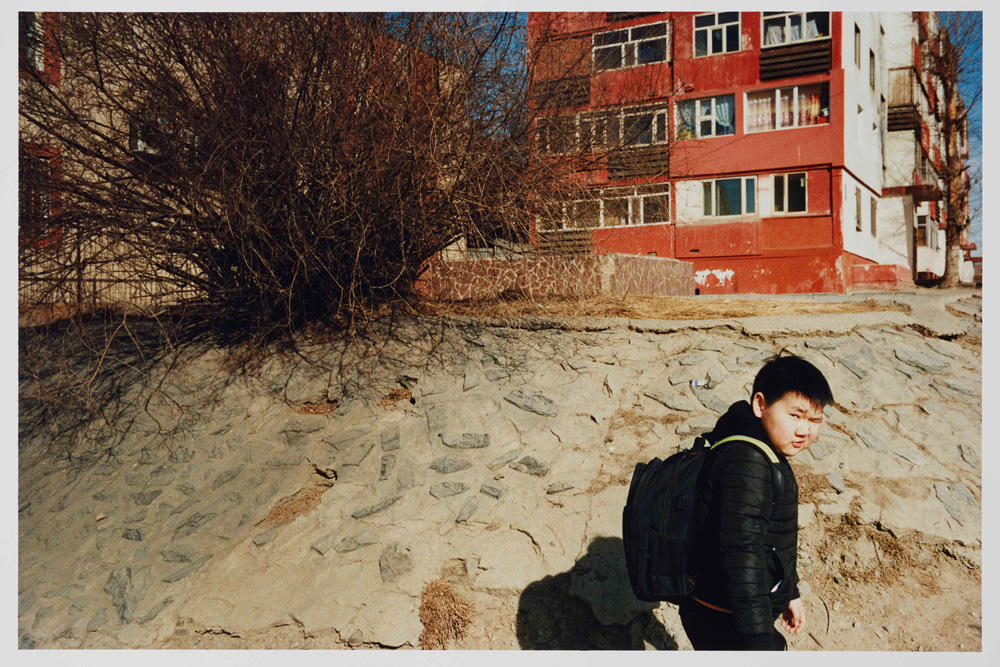
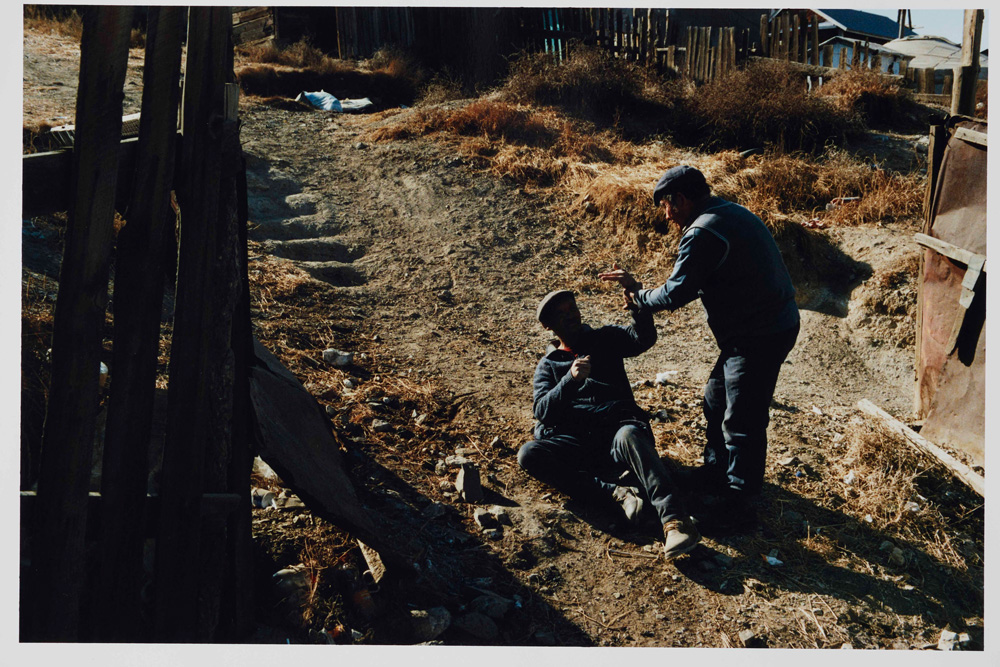
Caspian Sea̶ 2007-2011
鬼にも福にも
1 / 46
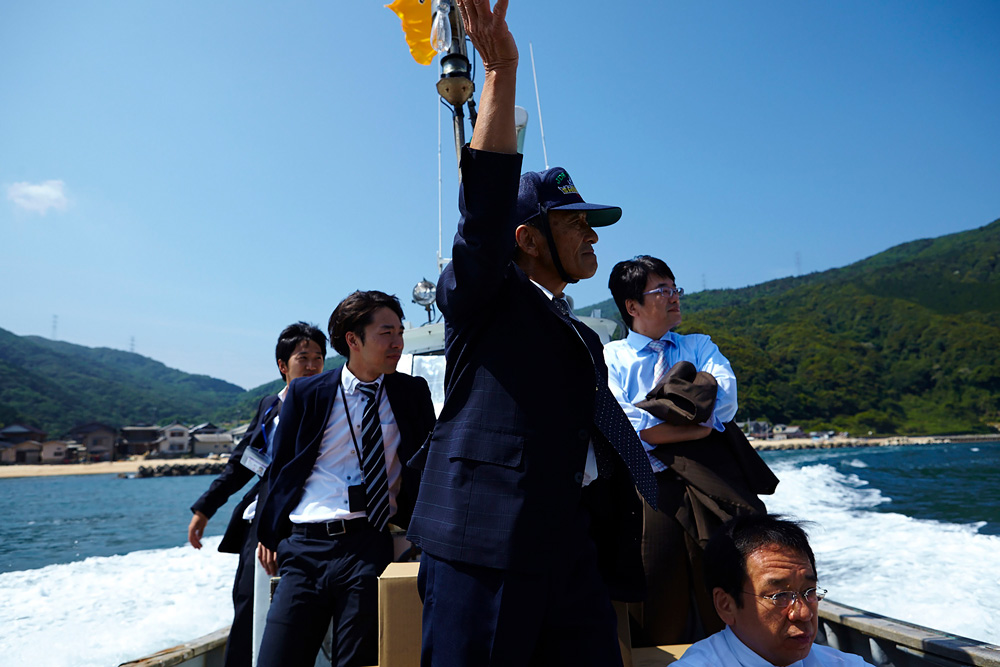
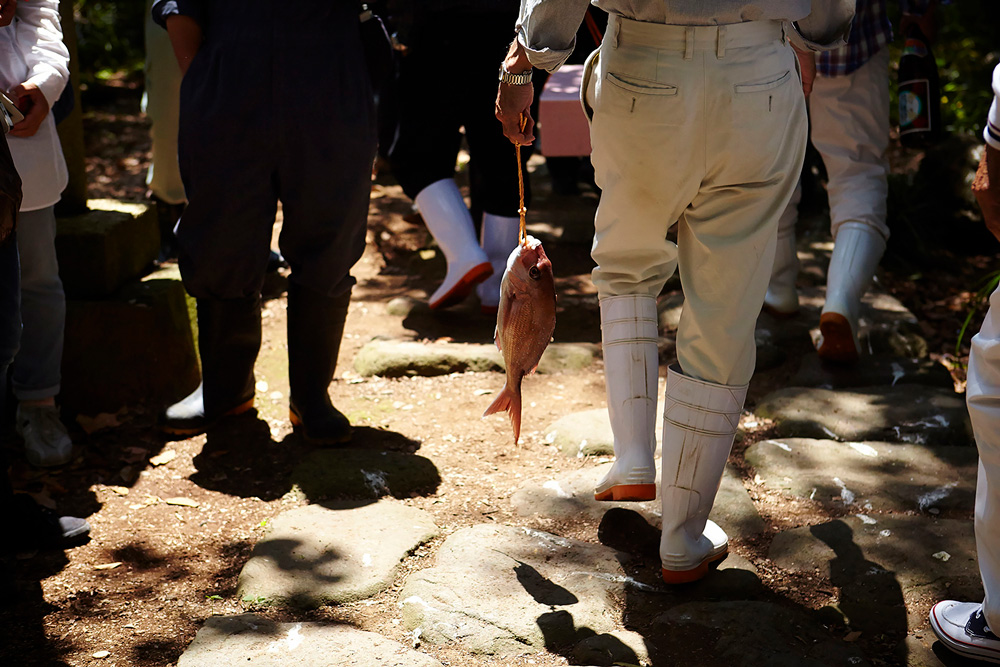
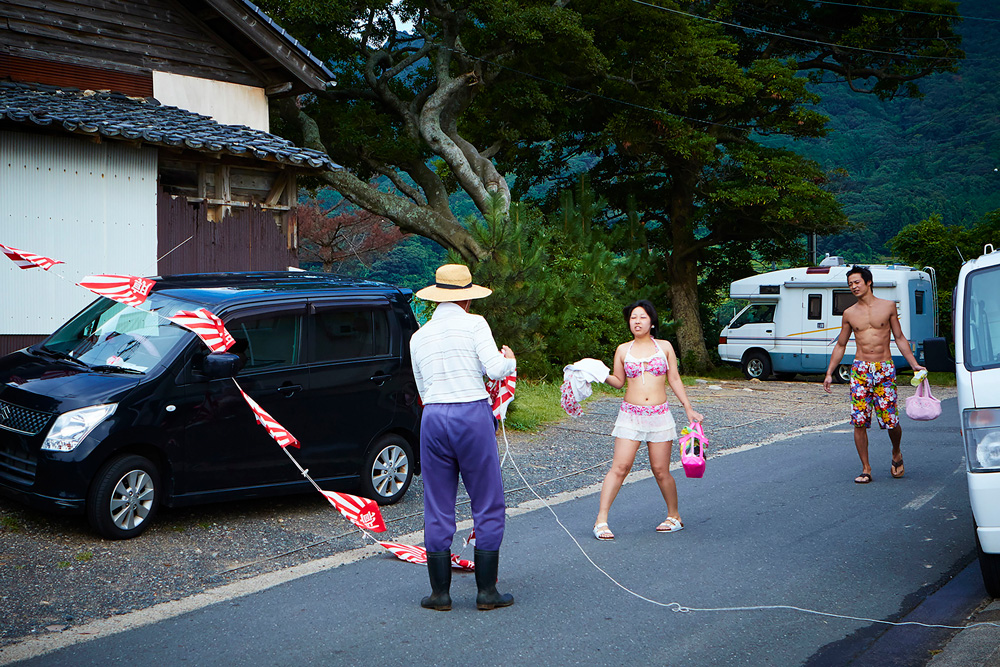
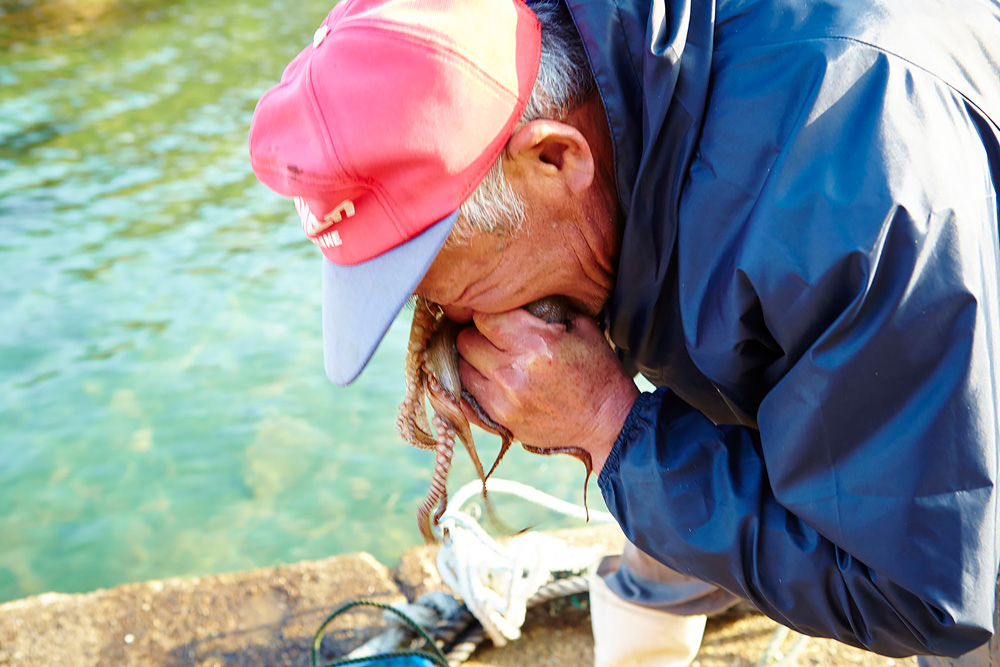
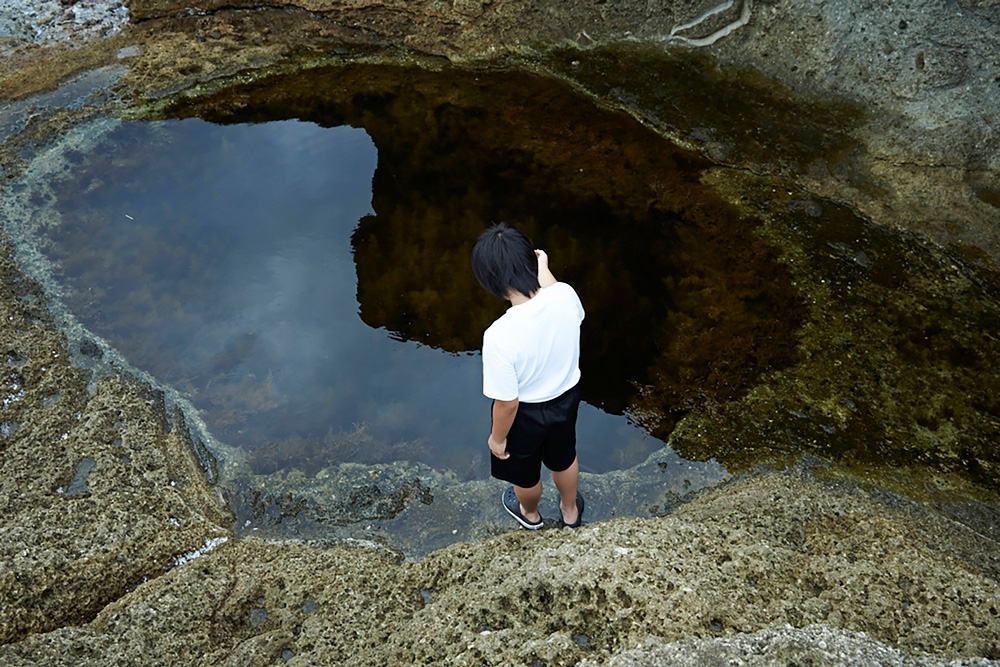
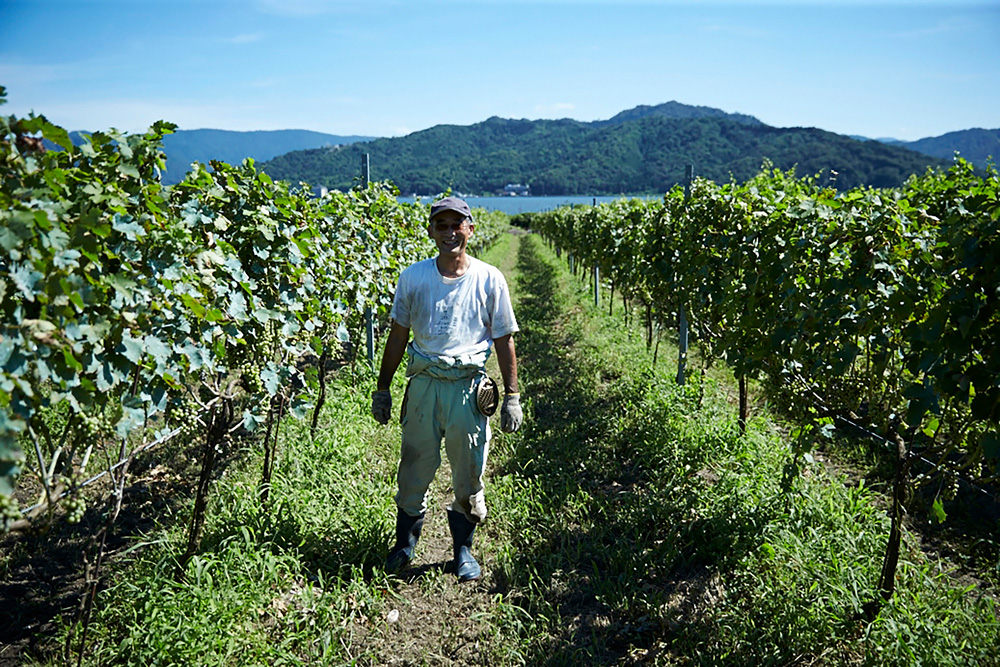
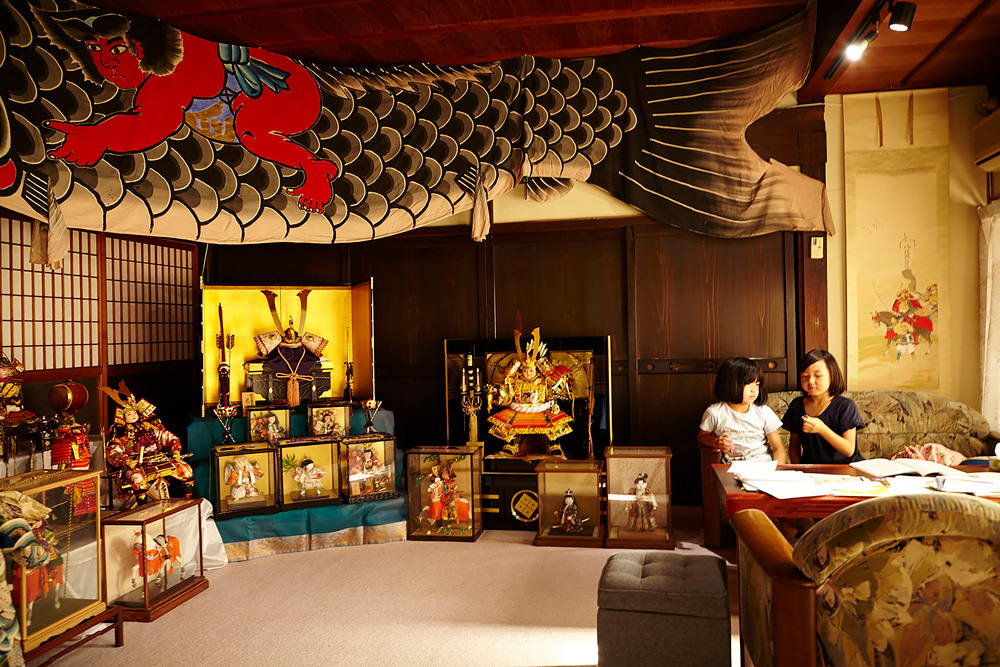
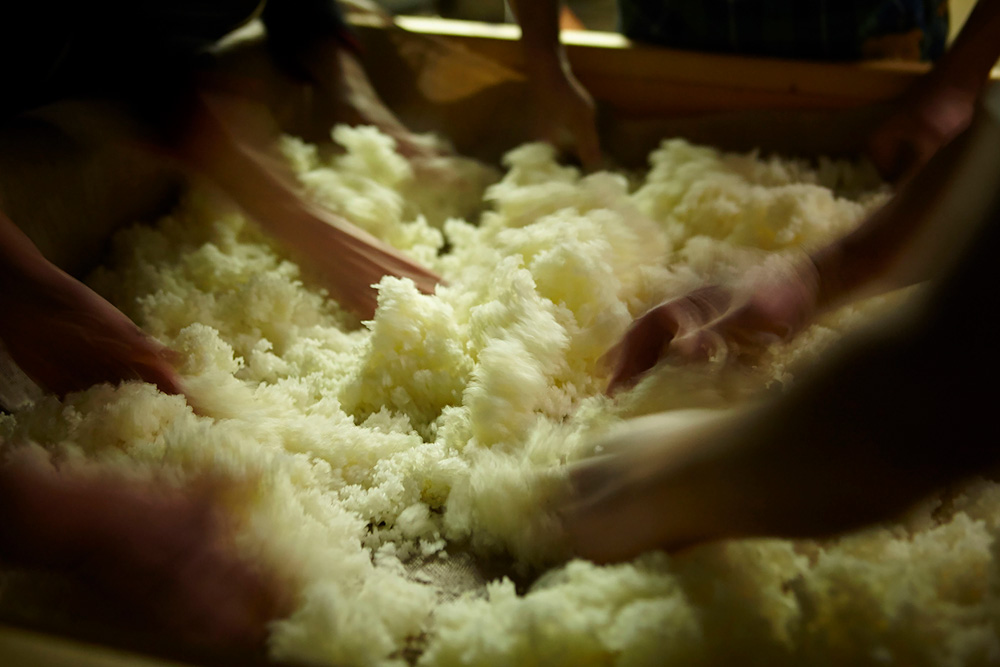
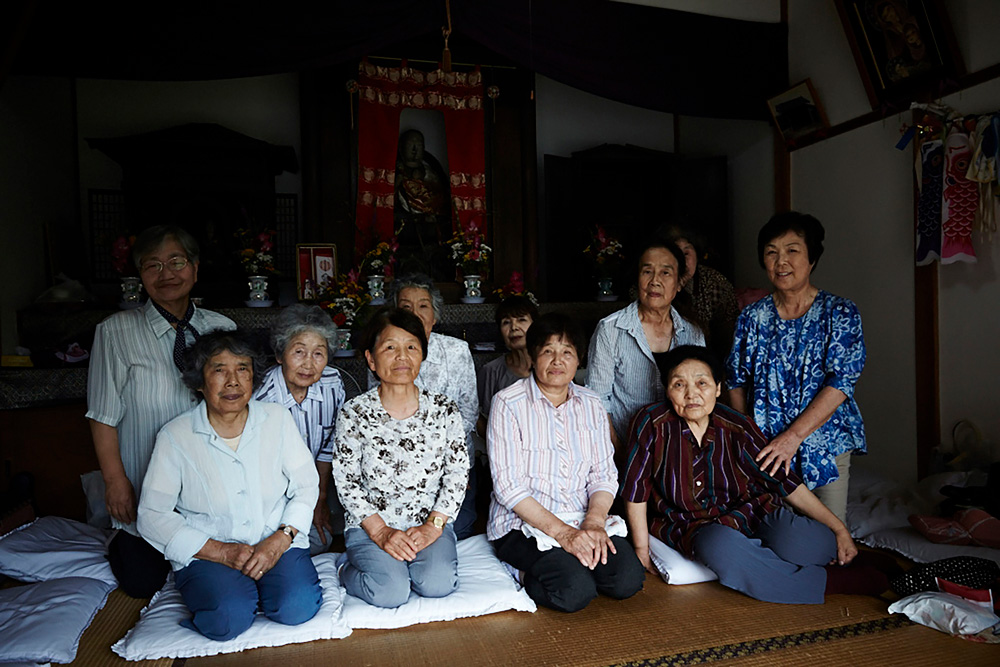
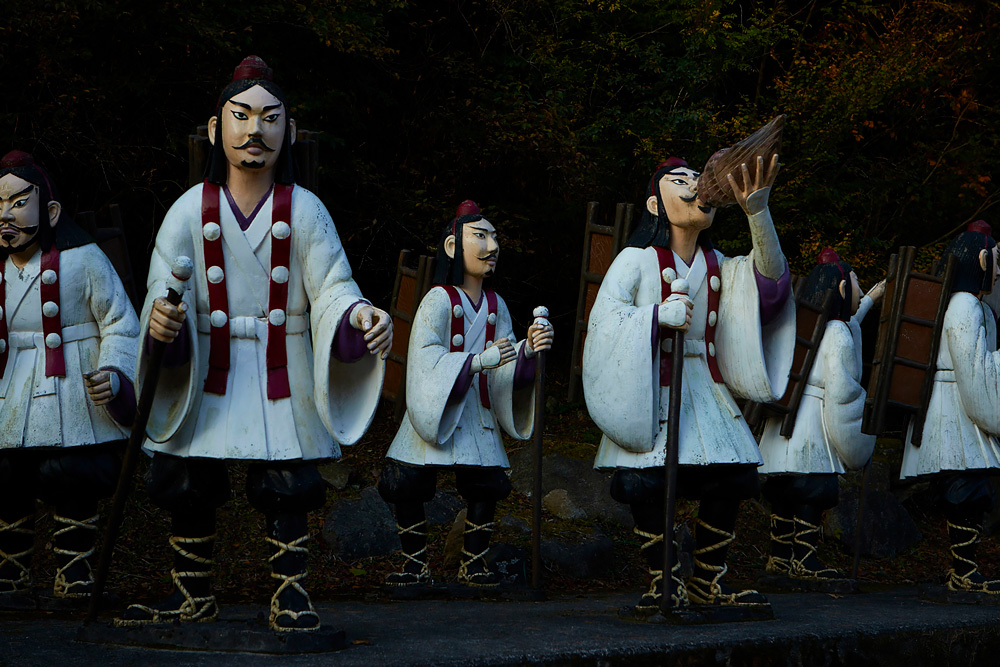
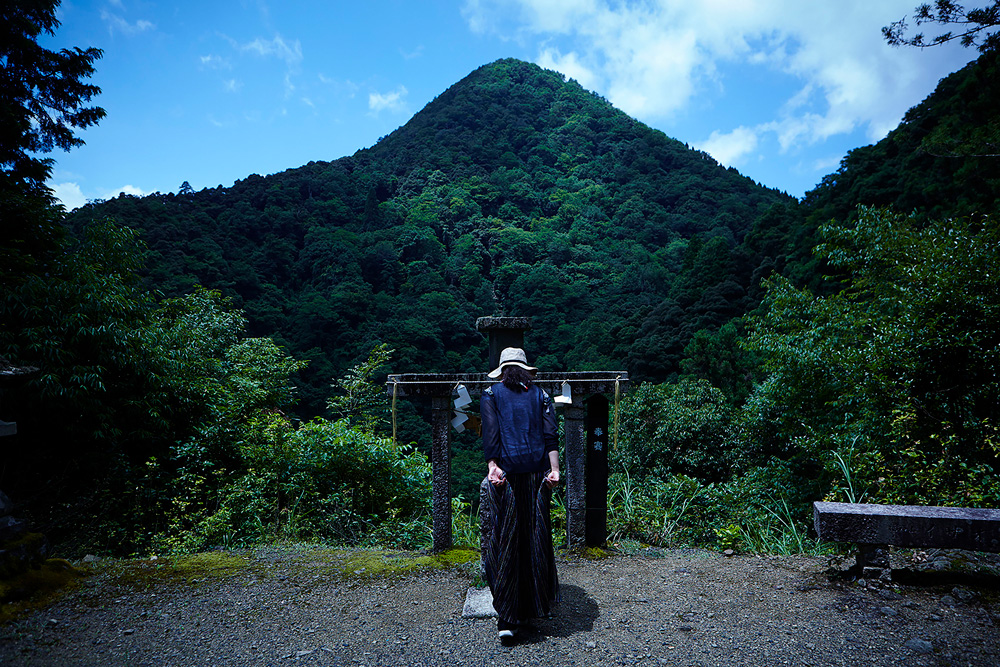
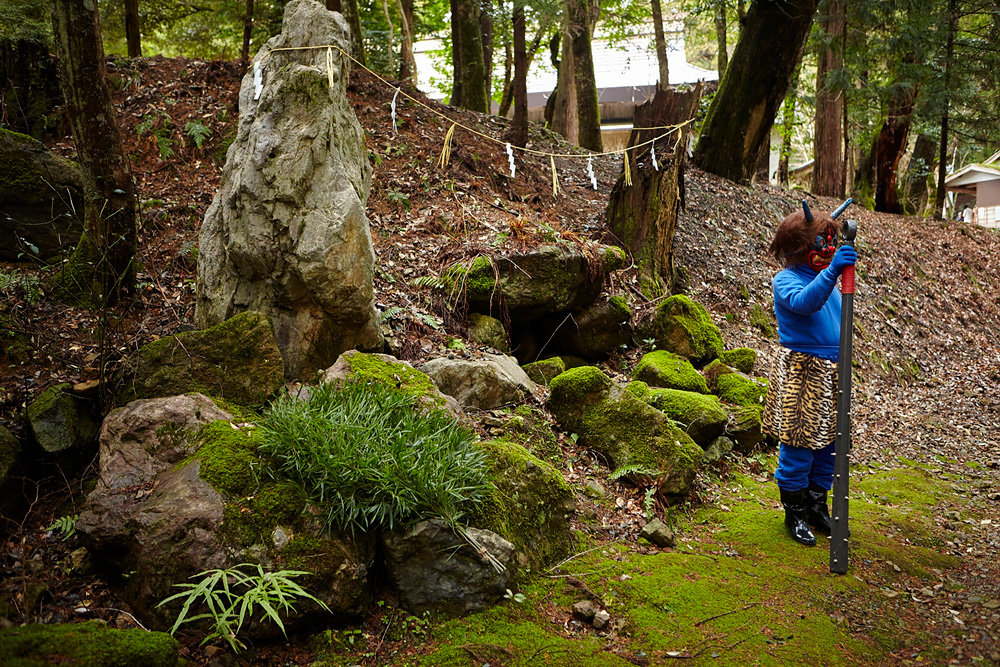
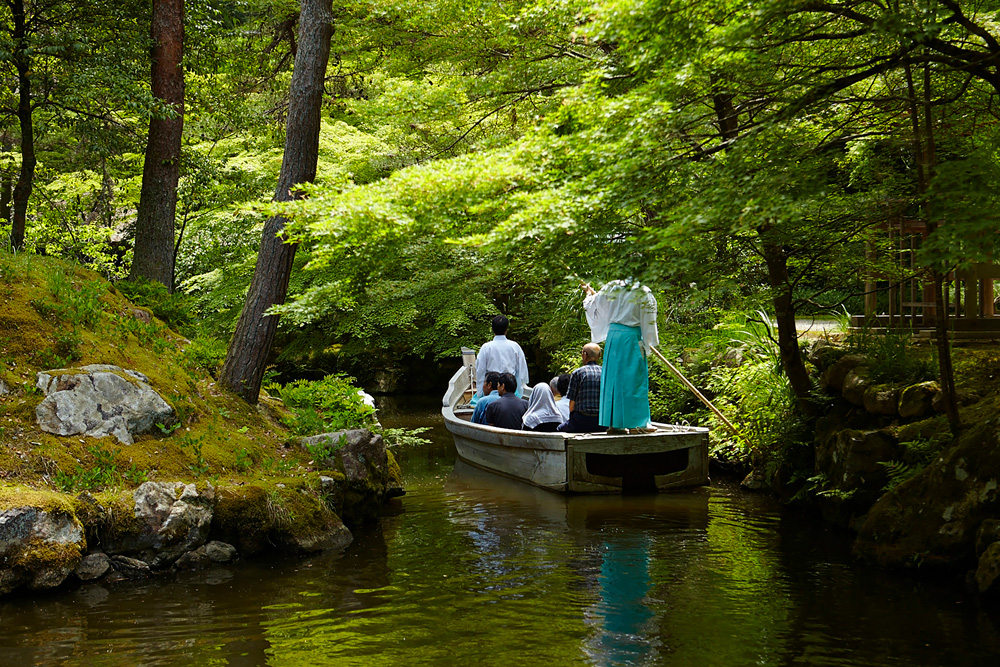
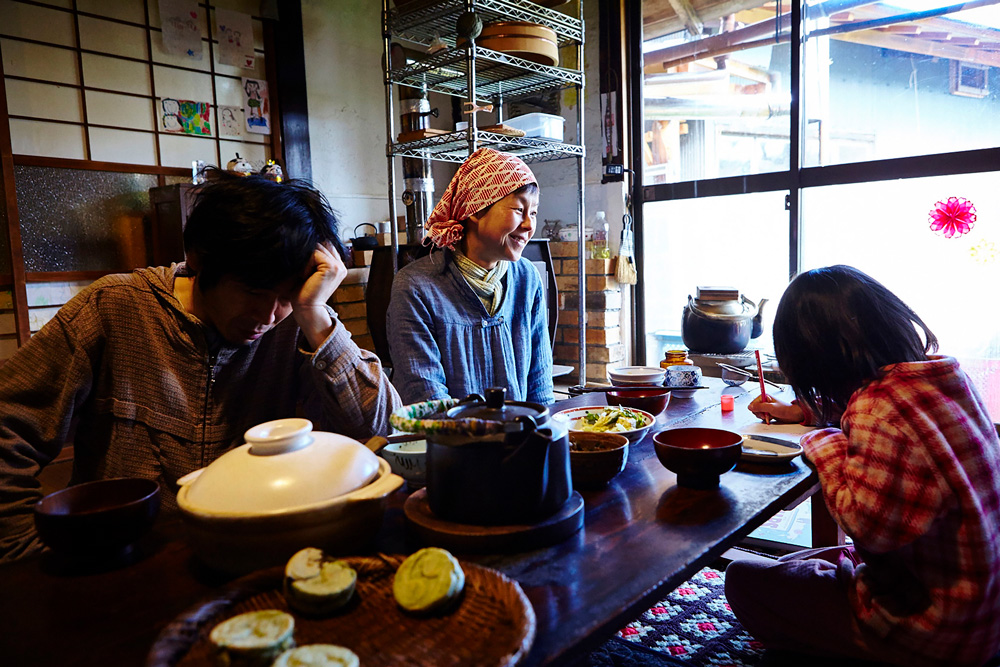
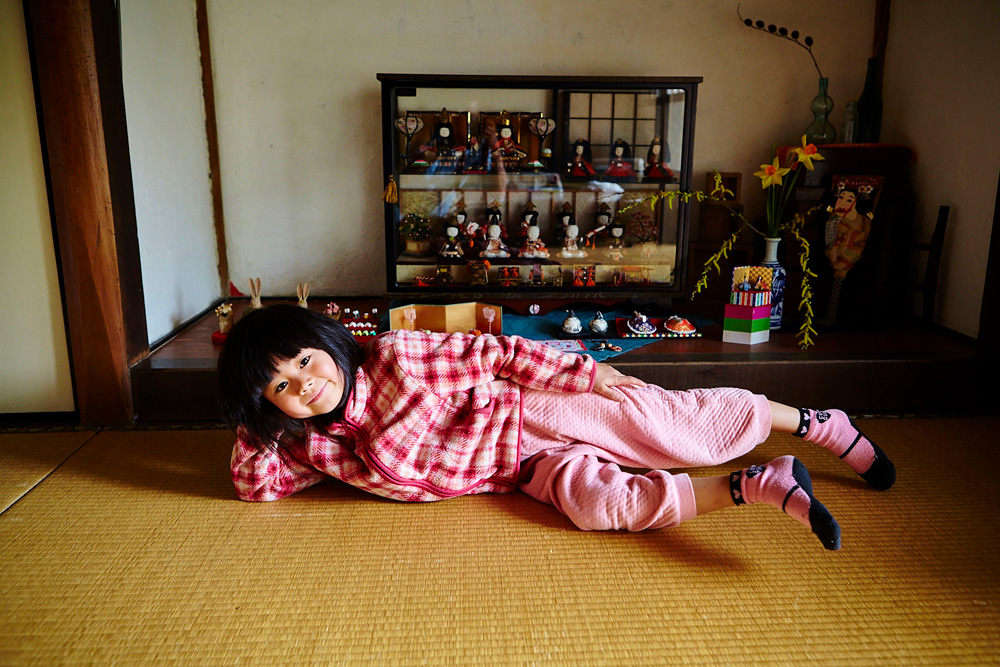
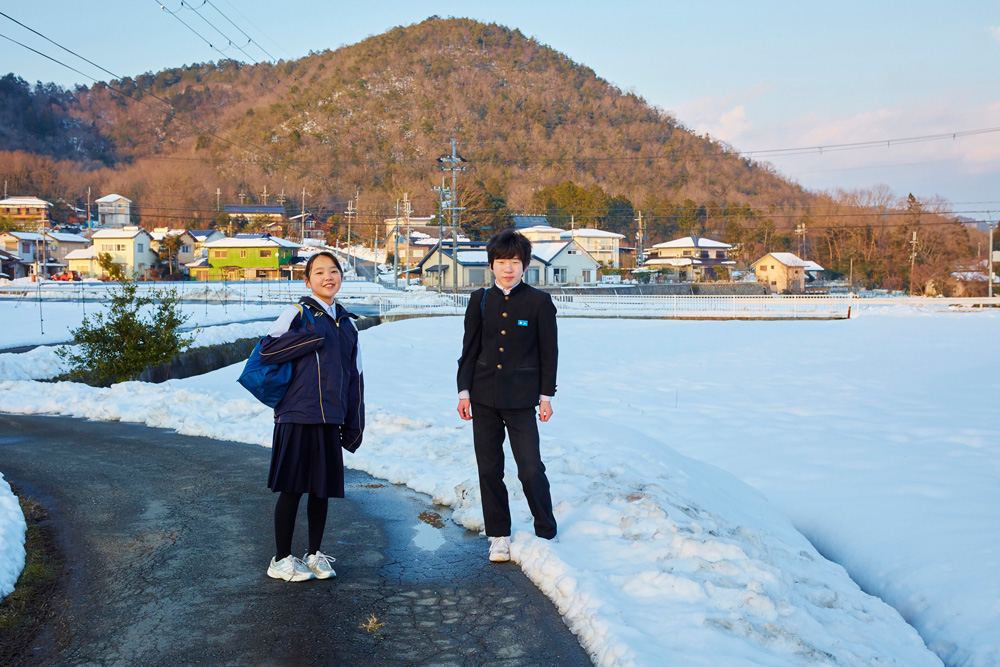
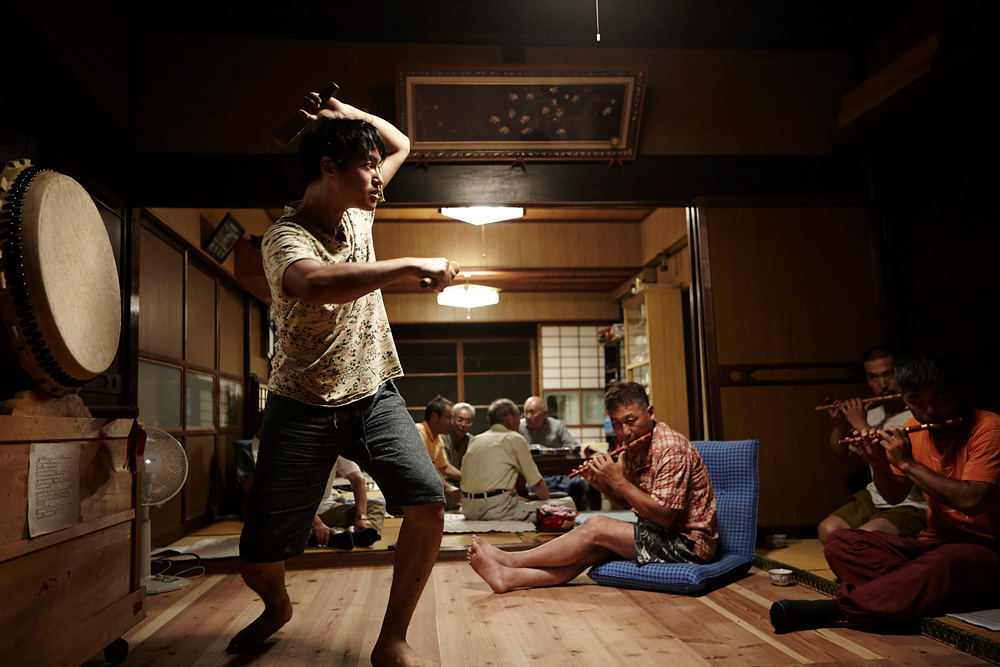
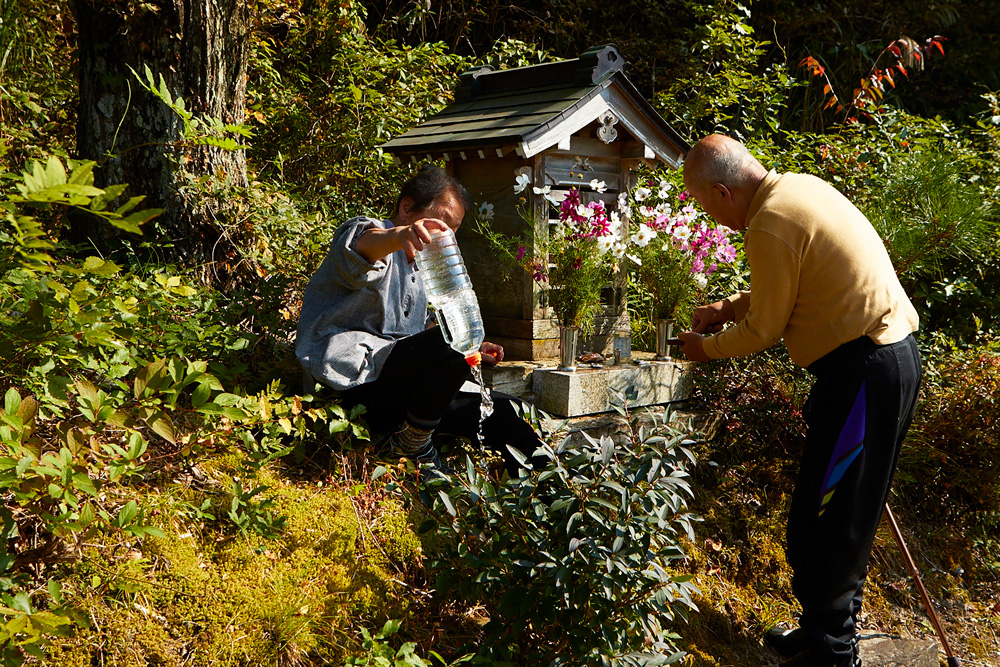
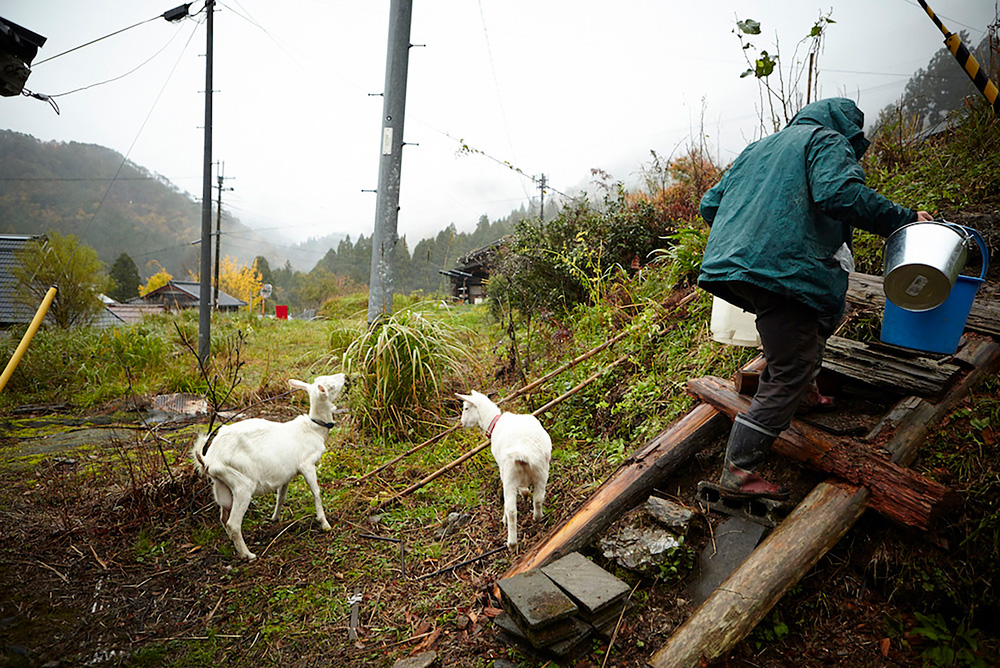
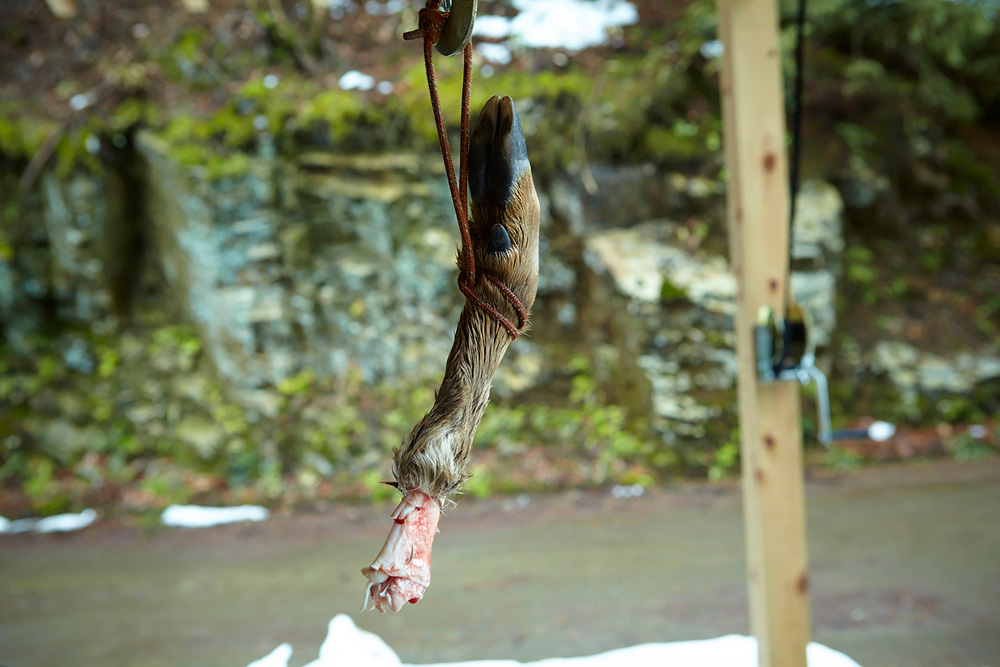
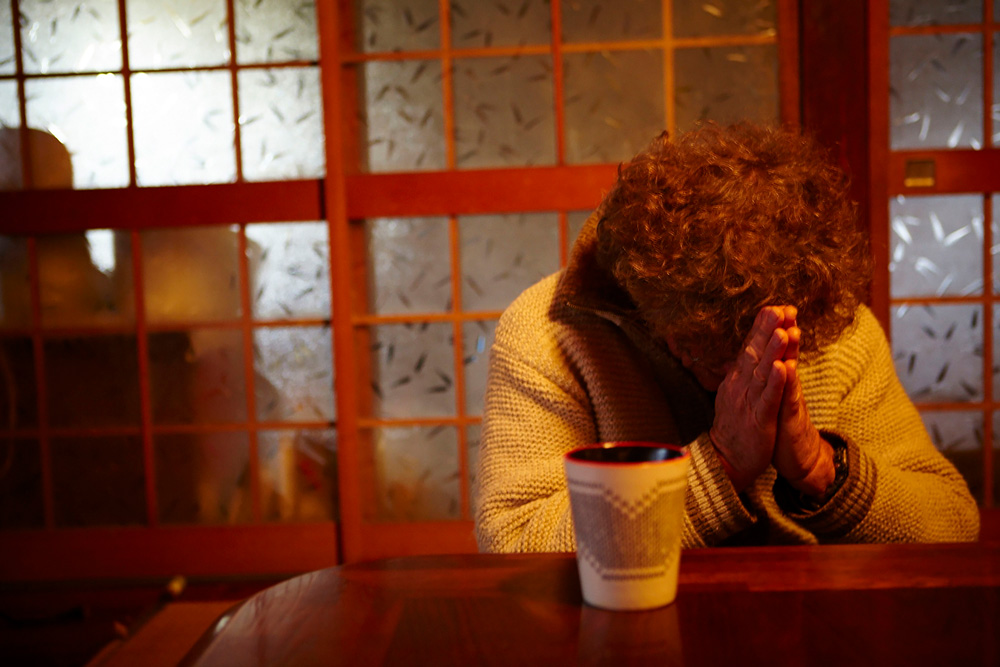
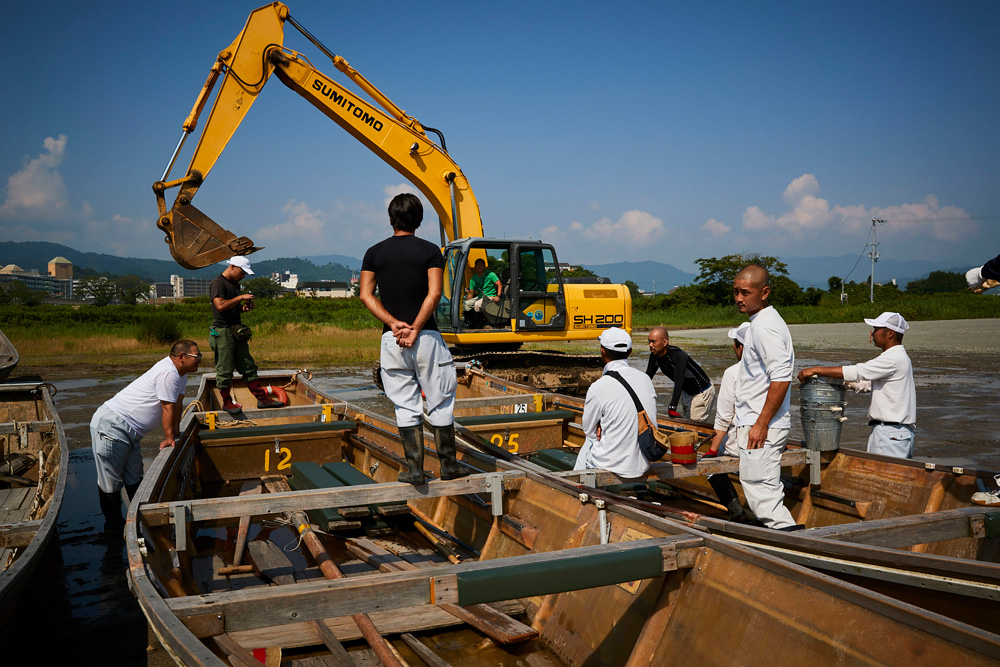
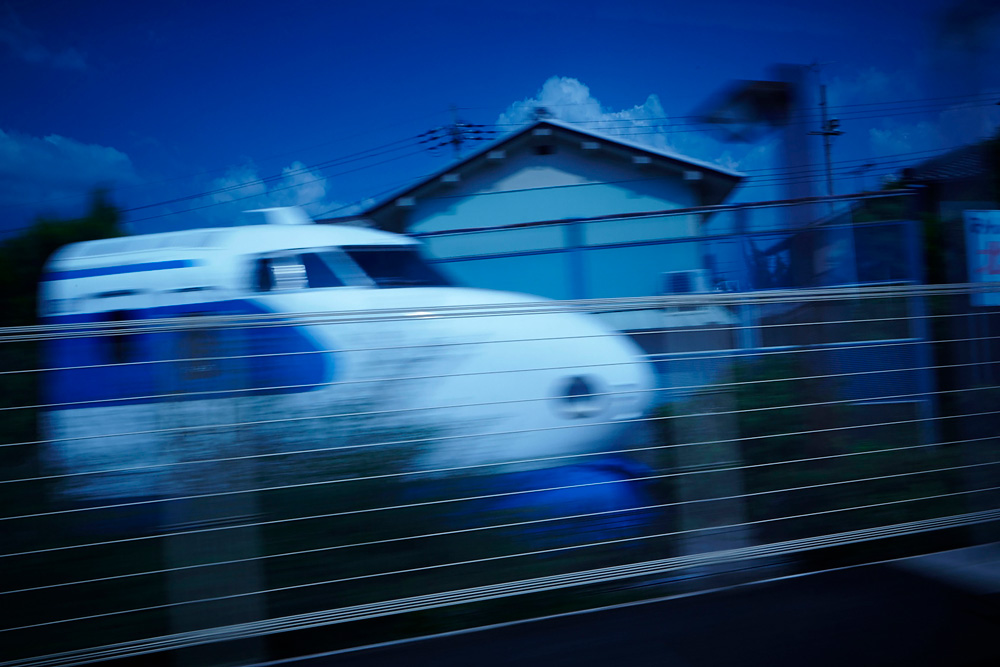
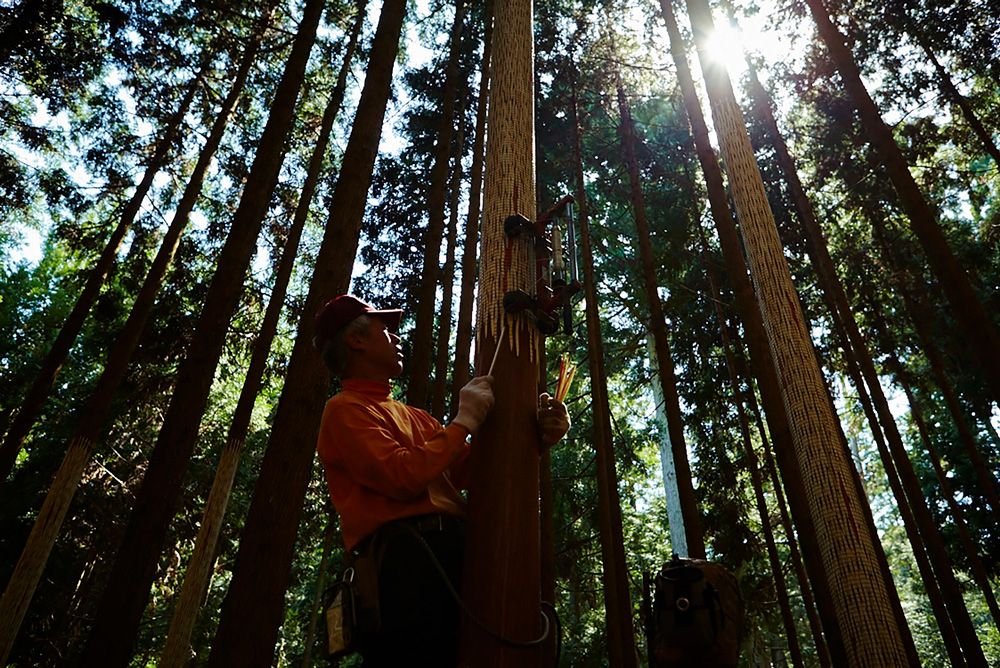
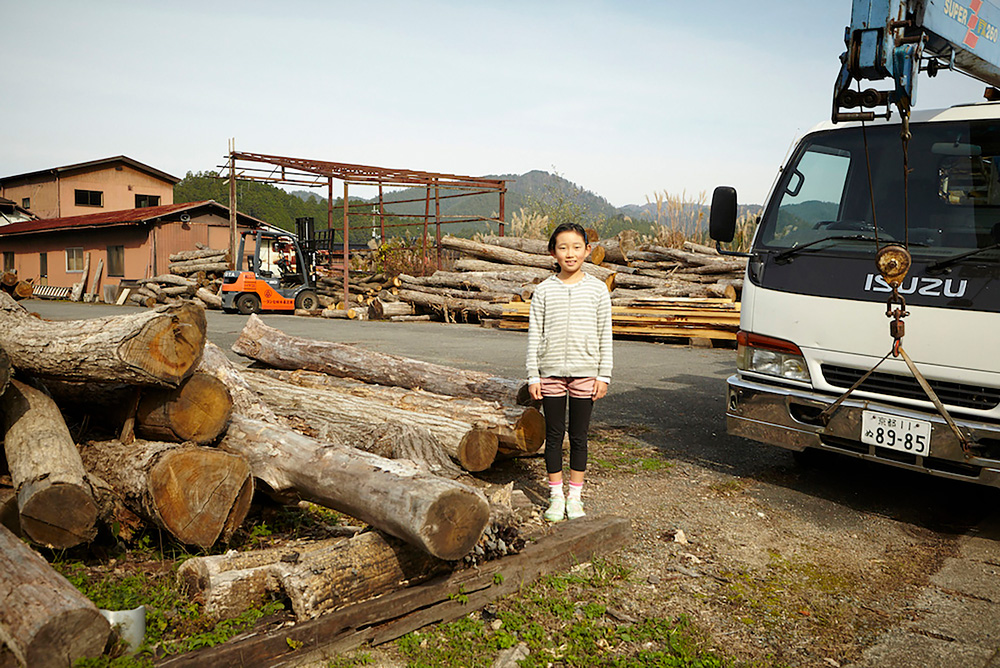
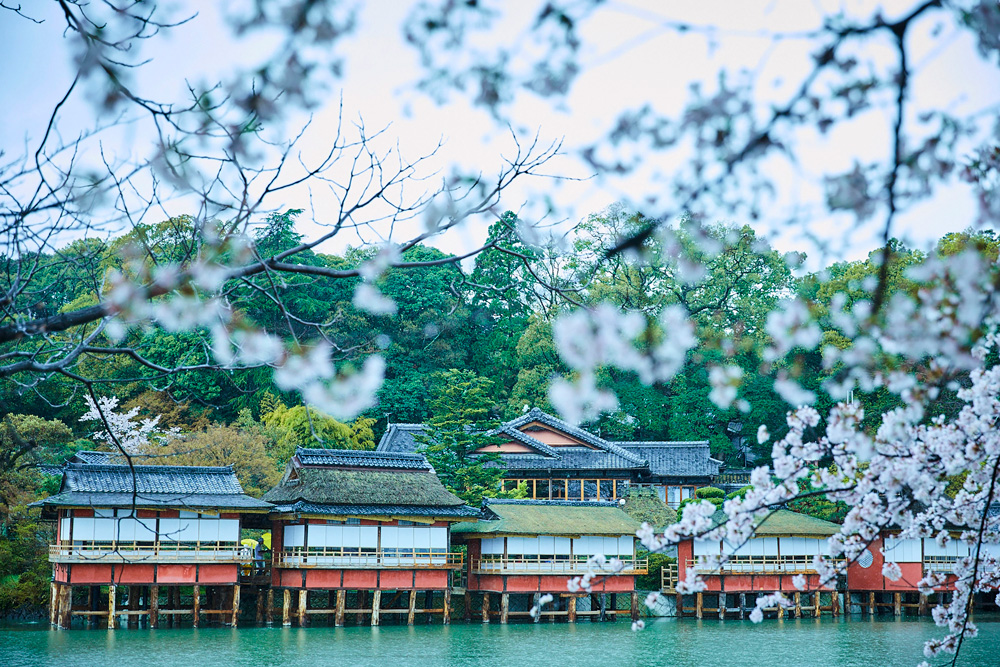
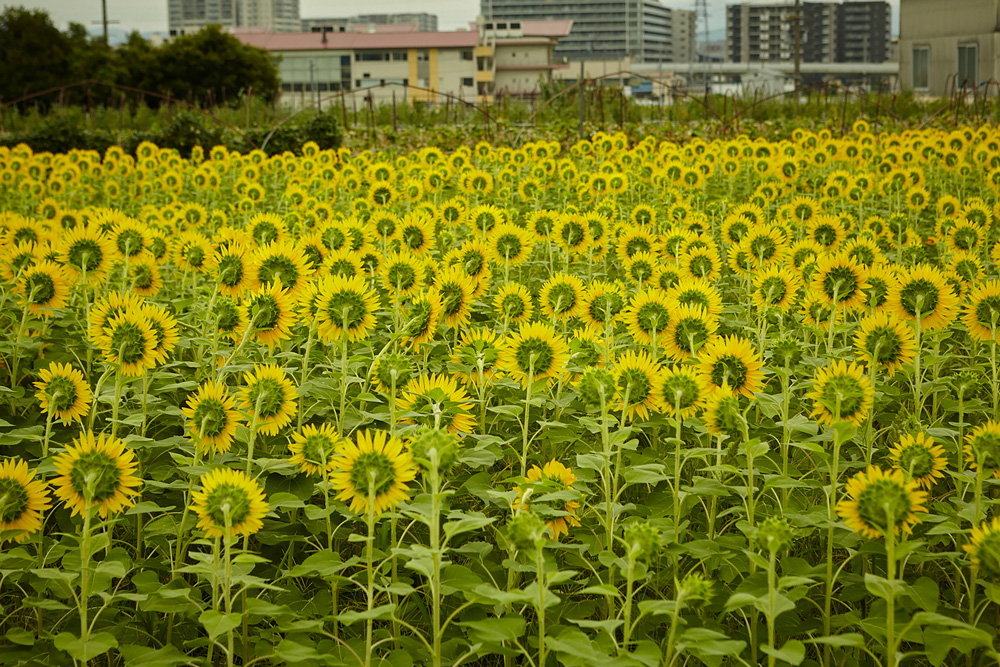
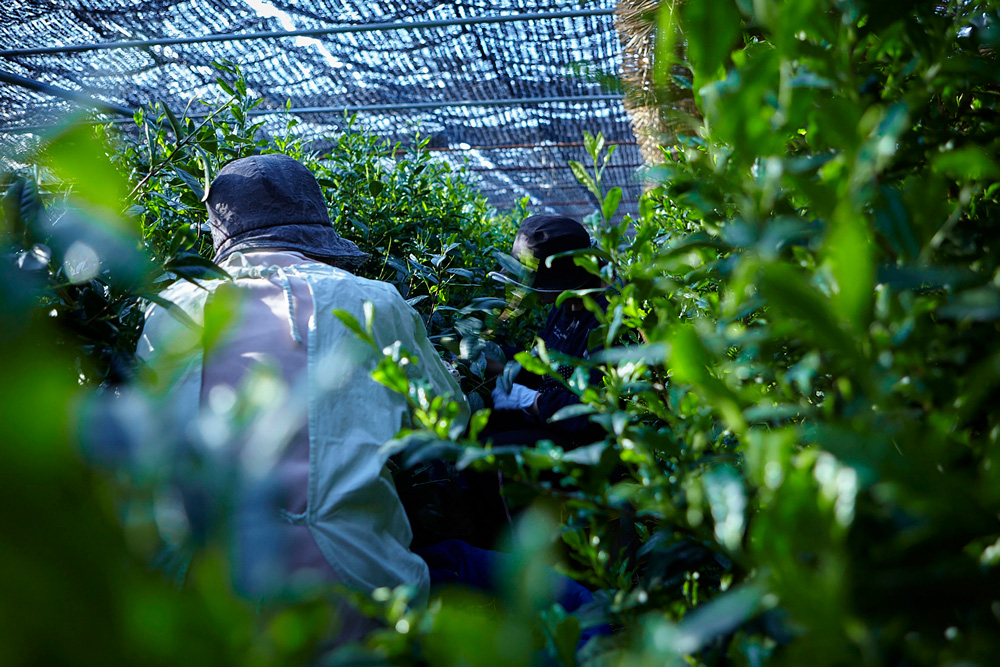
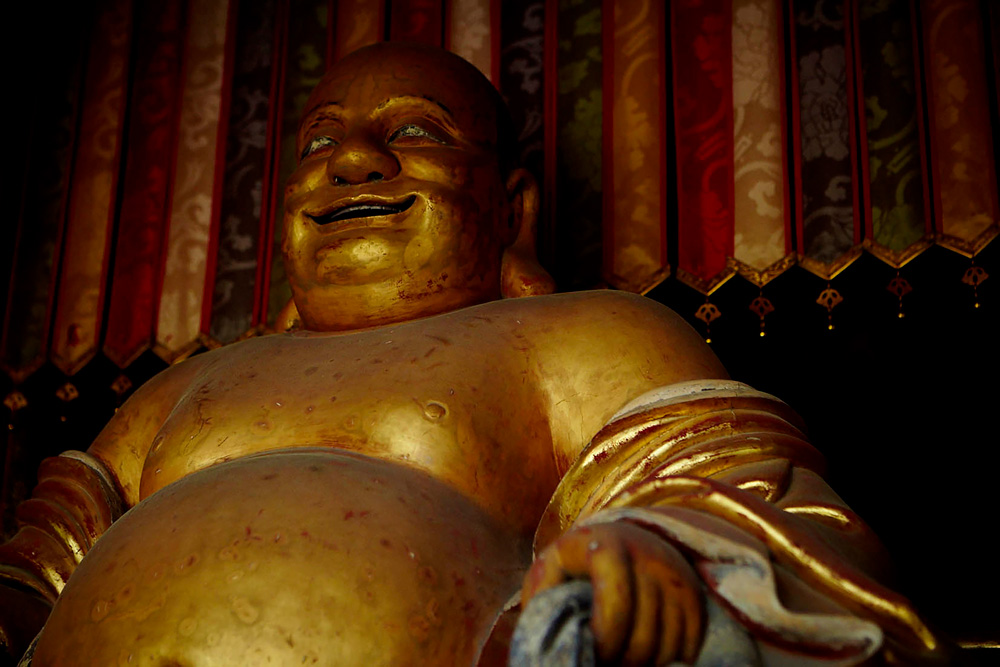
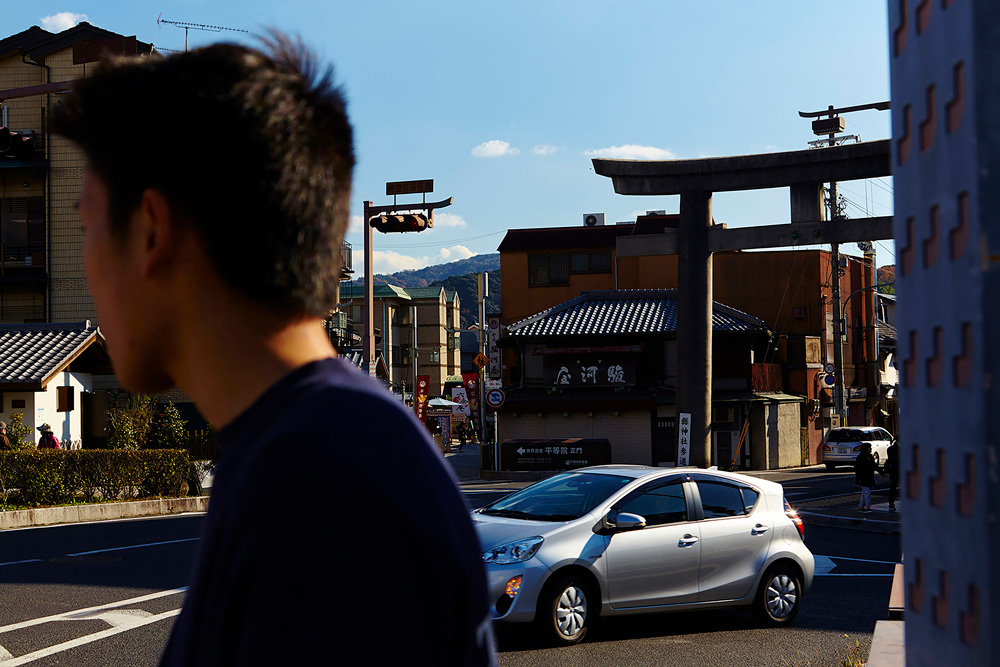
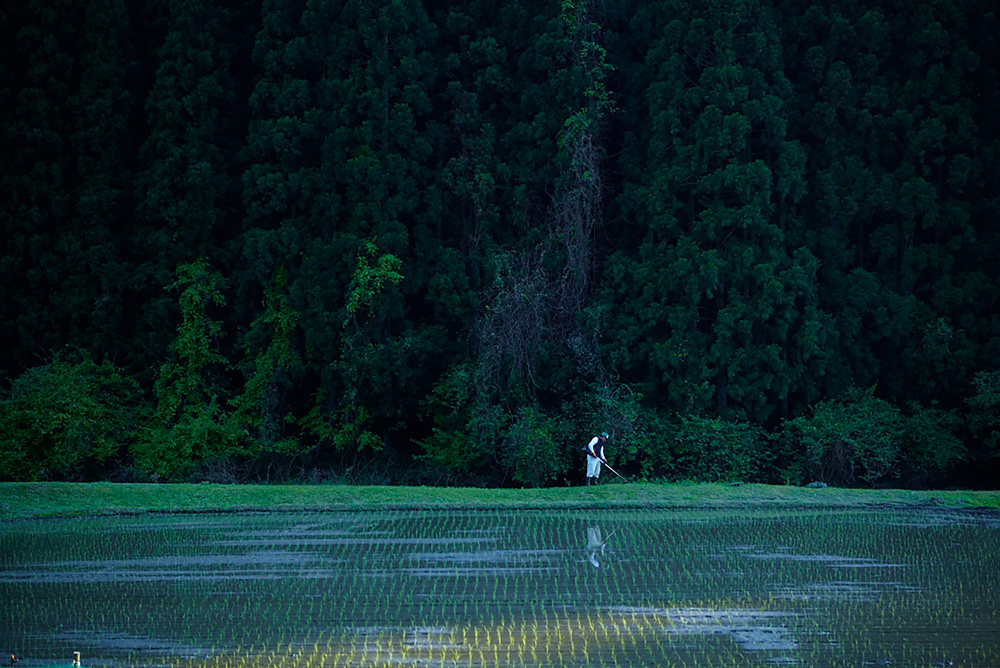
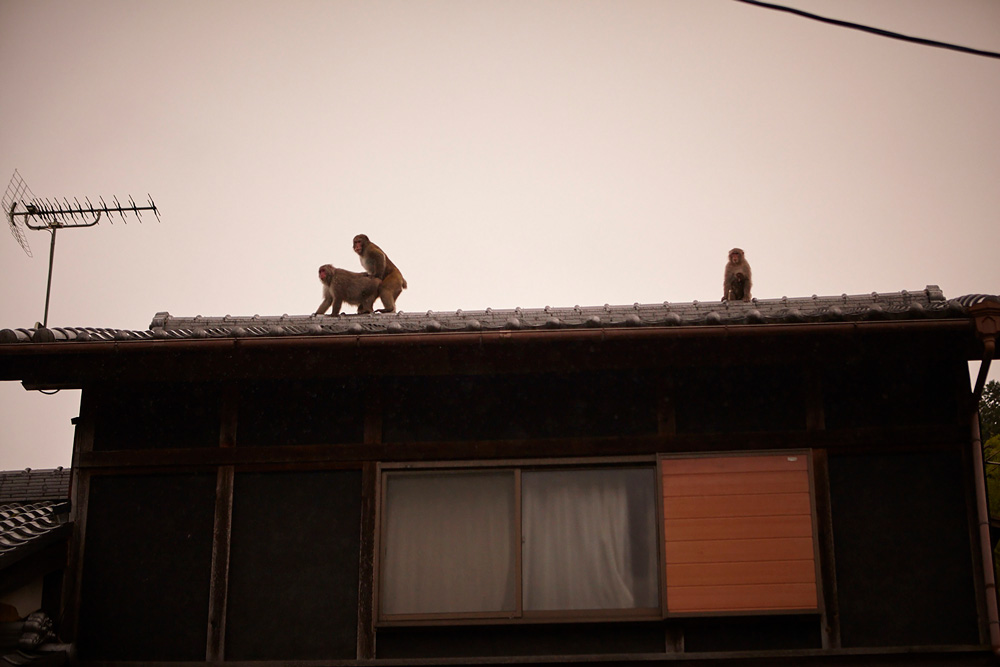
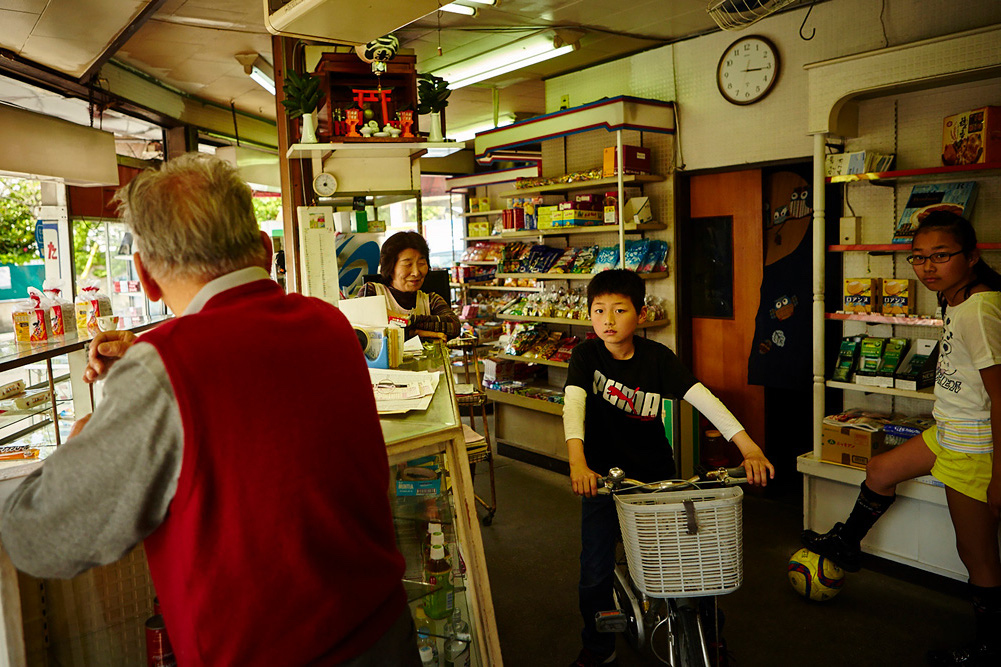
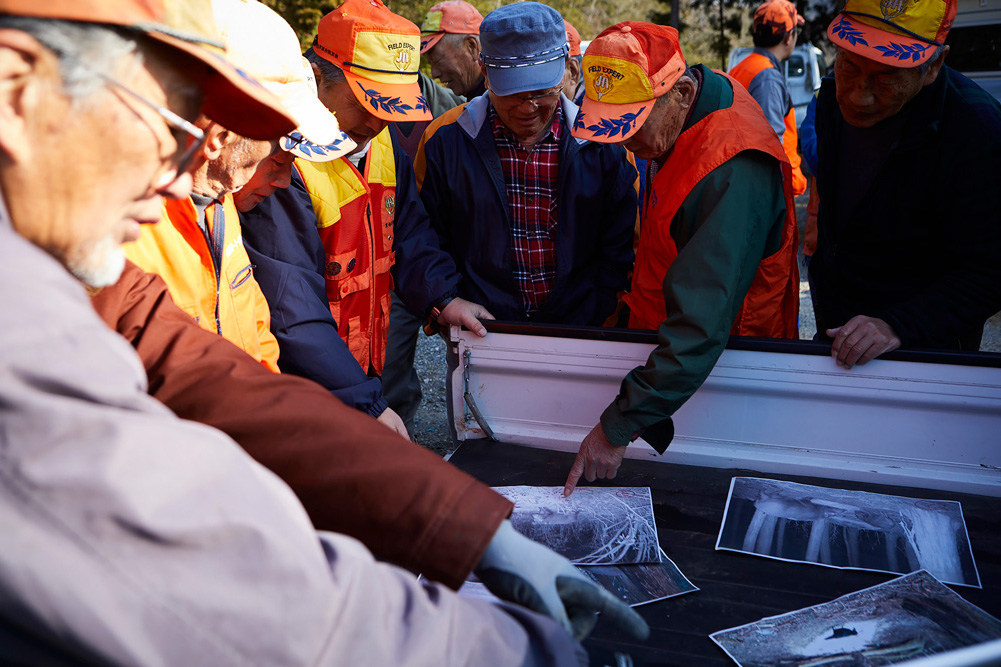
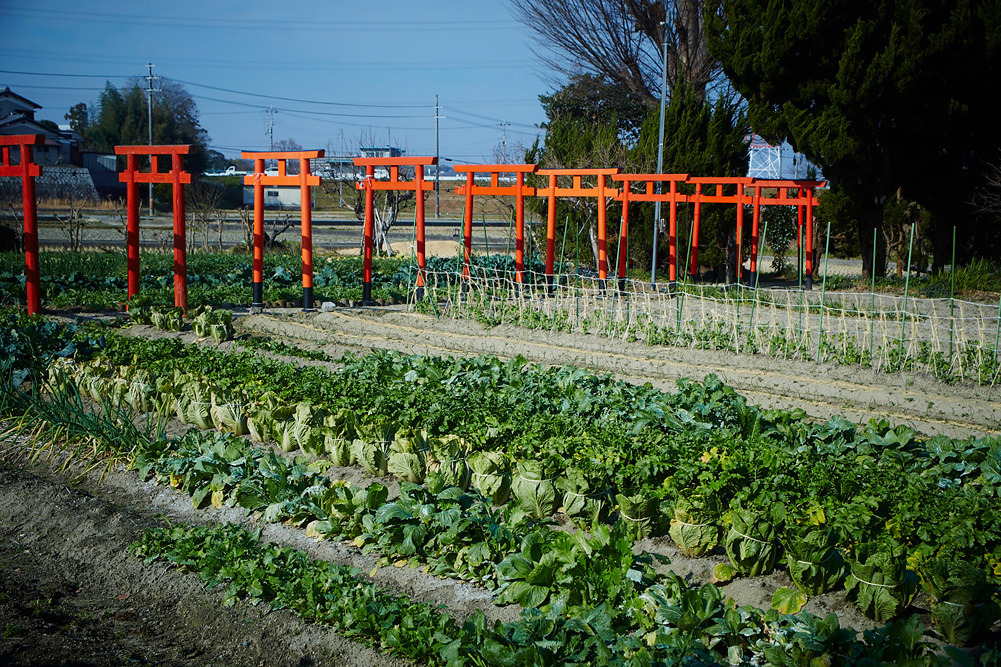
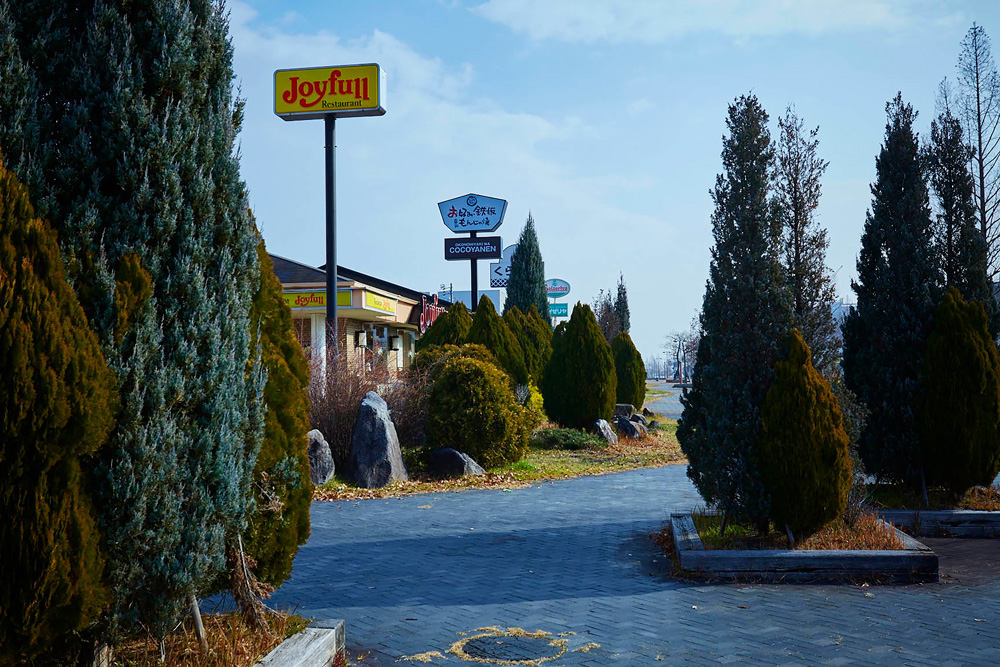
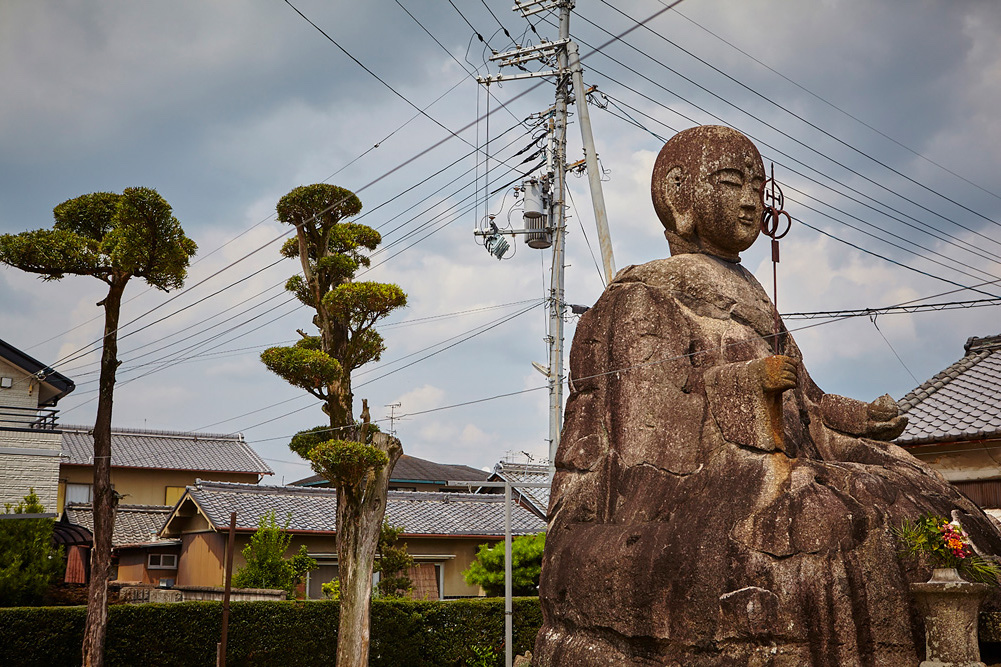
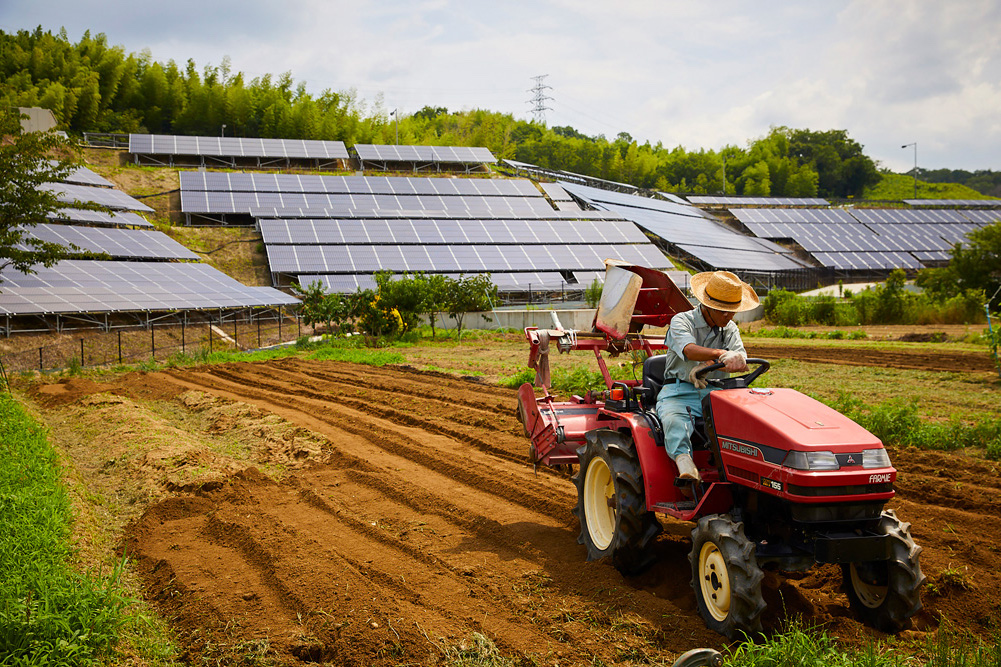
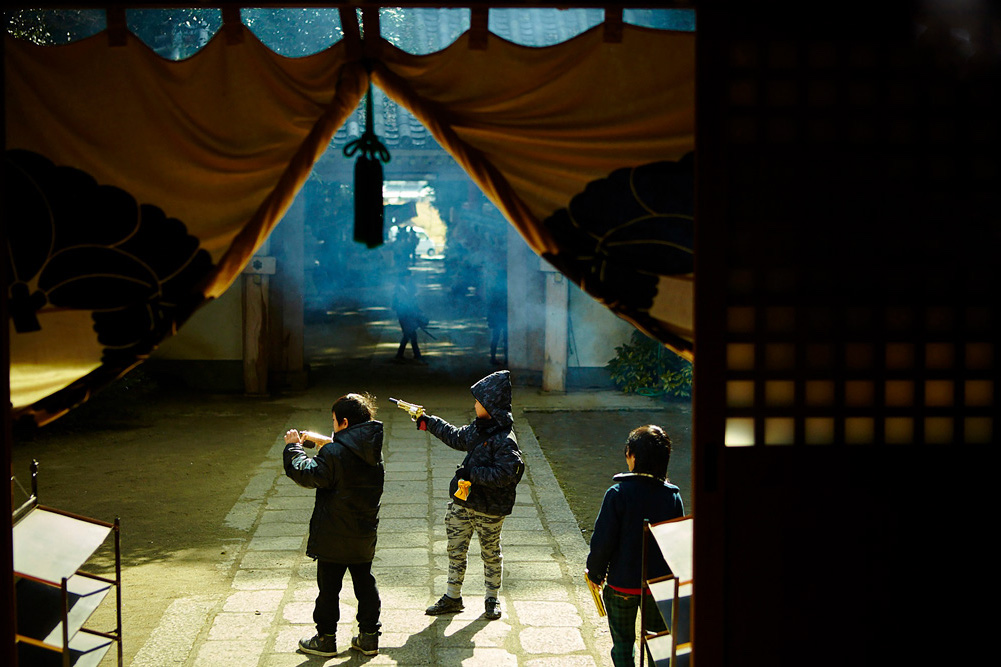
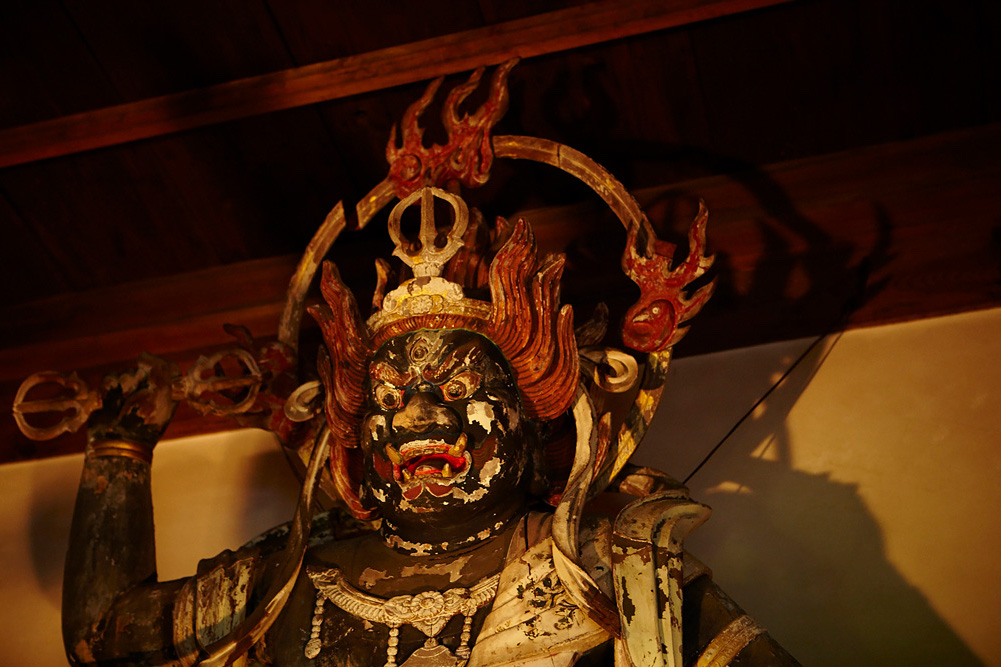
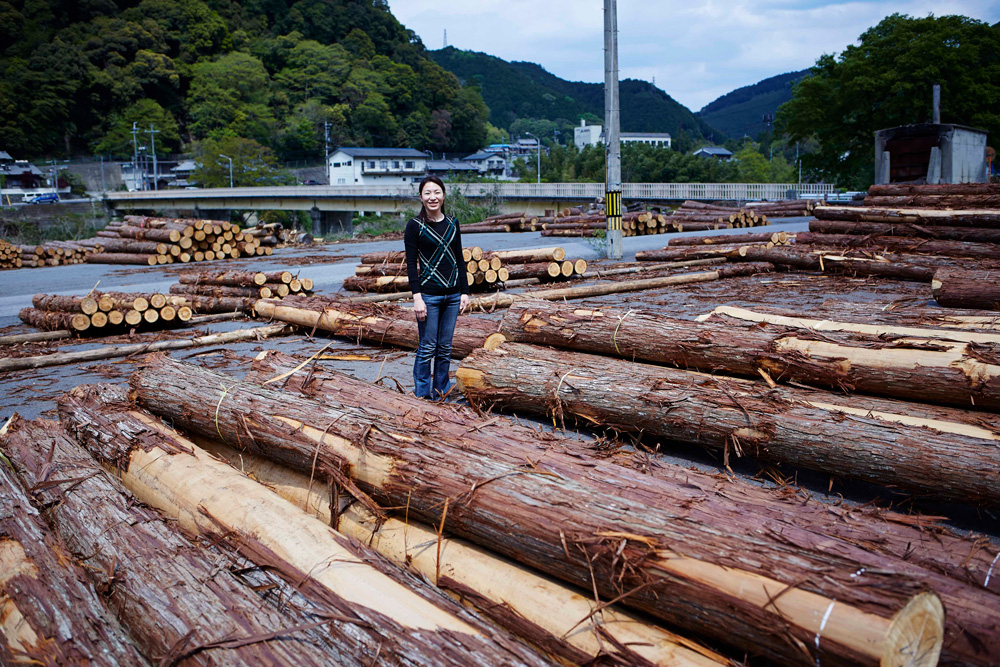
「田を耕し雨風をしのげる屋根があれば、人間生きていける」と、美山の輝ける谷、田歌に暮らすワルターさんは言う。
大陸から渡来人が訪れ、稲作を広めた丹後半島。日本海の豊かな漁場。
蟹やらタイやらノドグロやら。透明度が高く静寂の湾に並ぶ舟屋。
神様の通りみち宮津天橋立、天然の良港で、軍港としても知られる舞鶴。
与謝野や綾部で織物が産業として栄える。
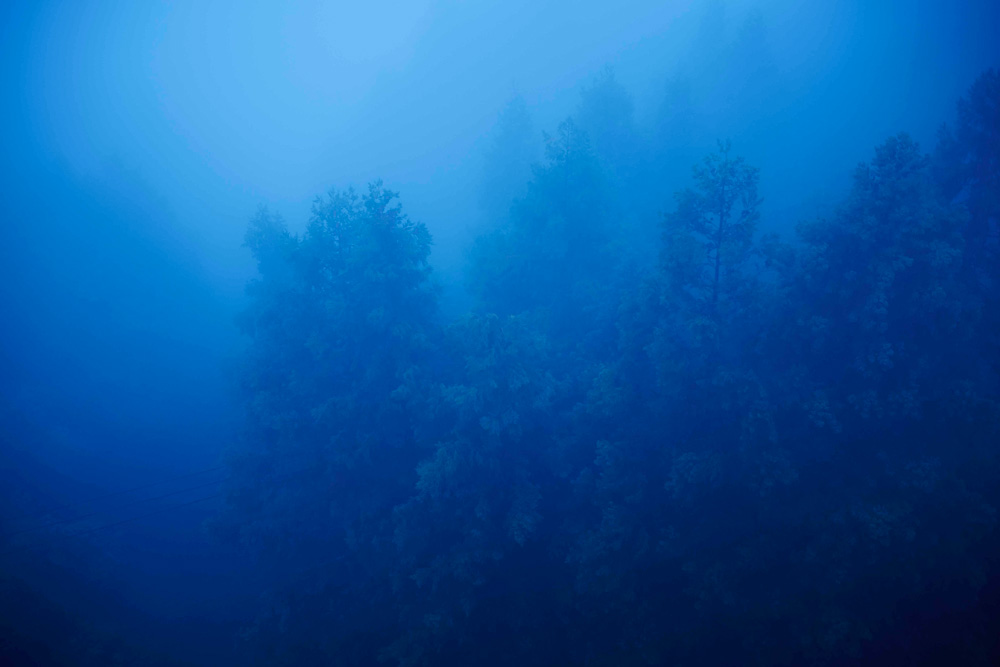
丹波でできた米や野菜と、美山や北山の材木が、由良川、桂川、保津川の水運で運ばれ、都を造った。そこで宇治のお茶と出会って、京都に固有の文化が生まれた。
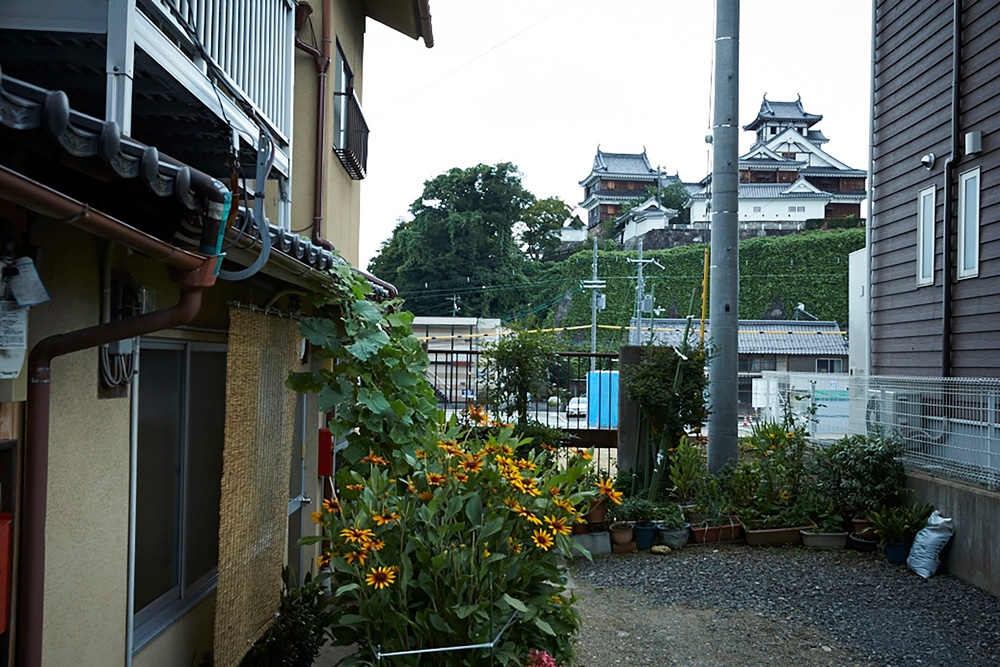
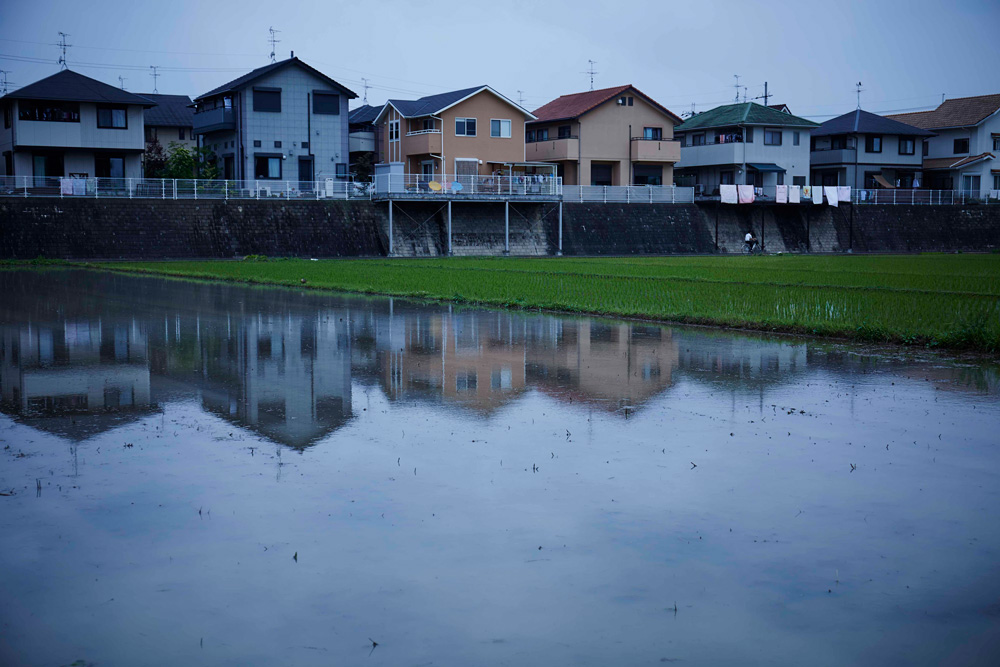
日本人の生きてきた源流のような場所は、現在も進化発展を続け、バイパスが引かれトンネルが掘られ合理的で便利になっていく。
大阪や奈良に近い南の地域では、革新的にニュータウンと大型商業施設が整備され、人口が増える。その反面、旧道は忘れられその周辺にあった生活が淘汰されていく。
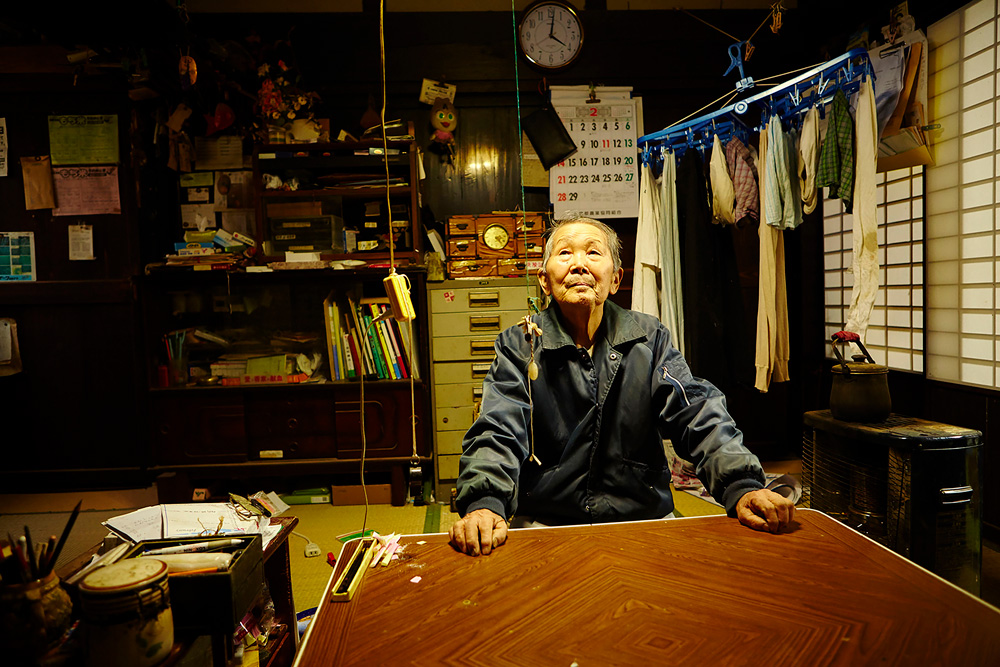
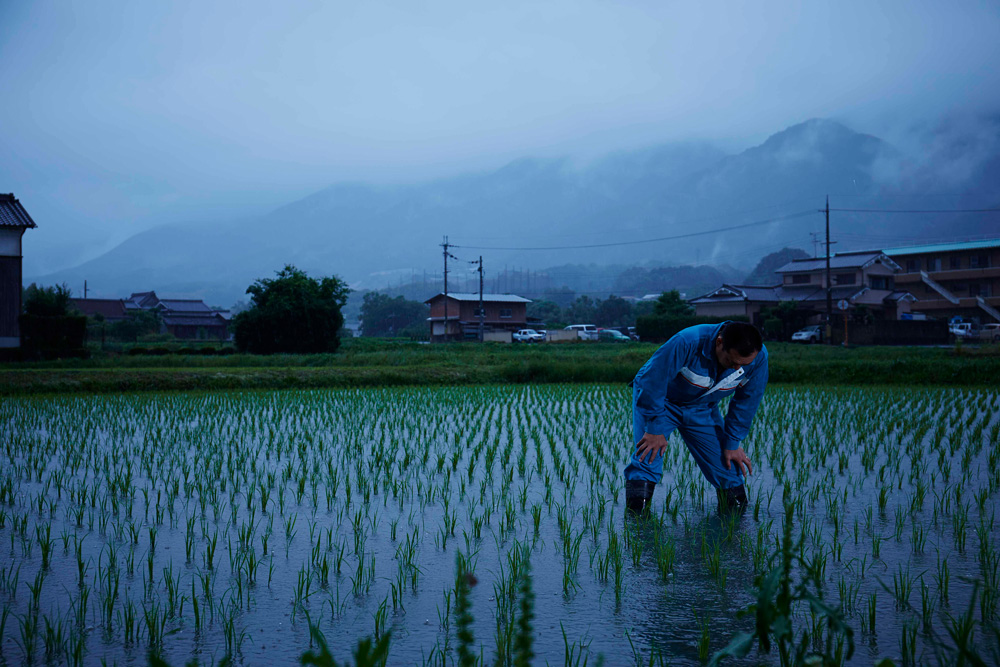
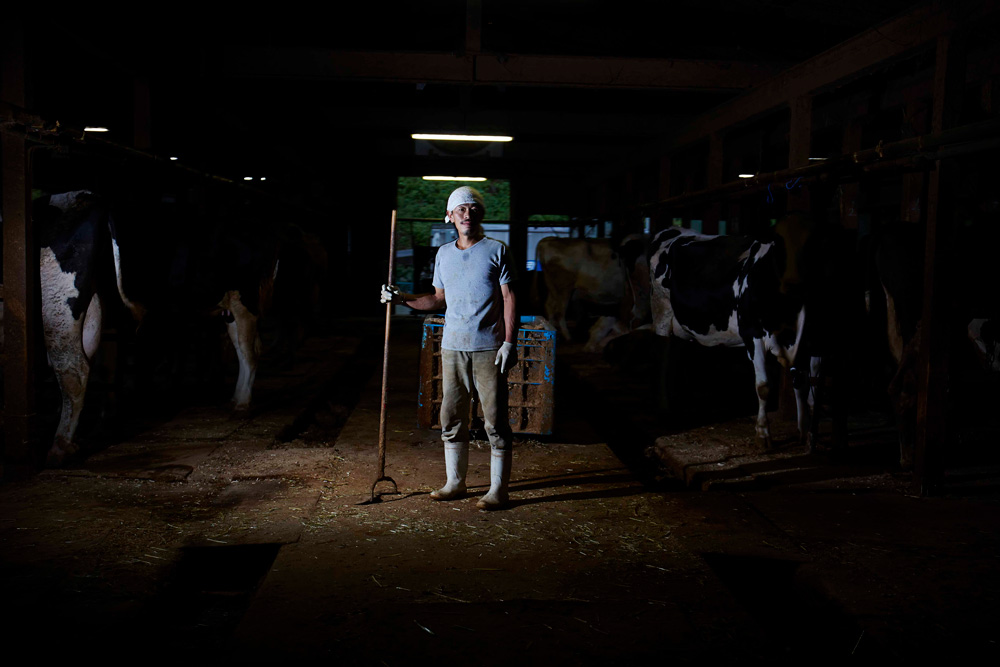
古来よりこの地で田を耕し産業を起こし、綿々と繋がってきた暮らしがある。
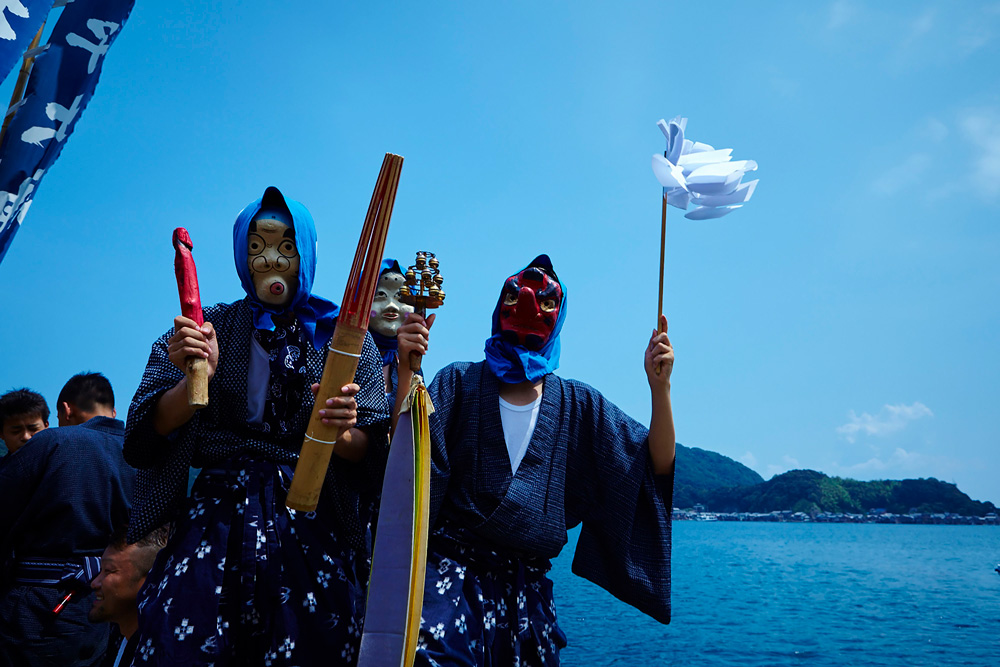
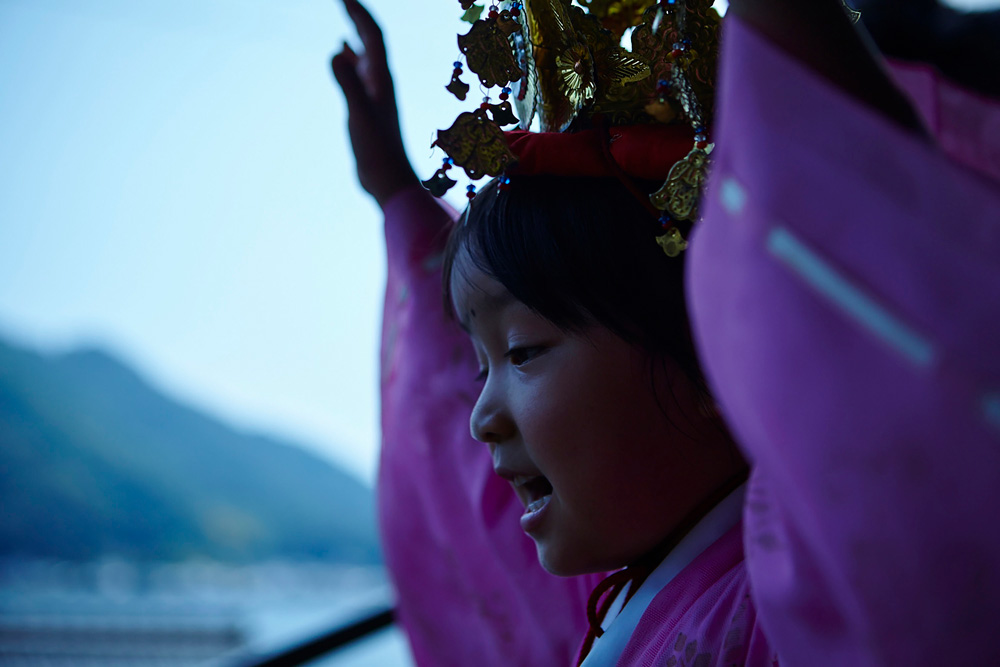
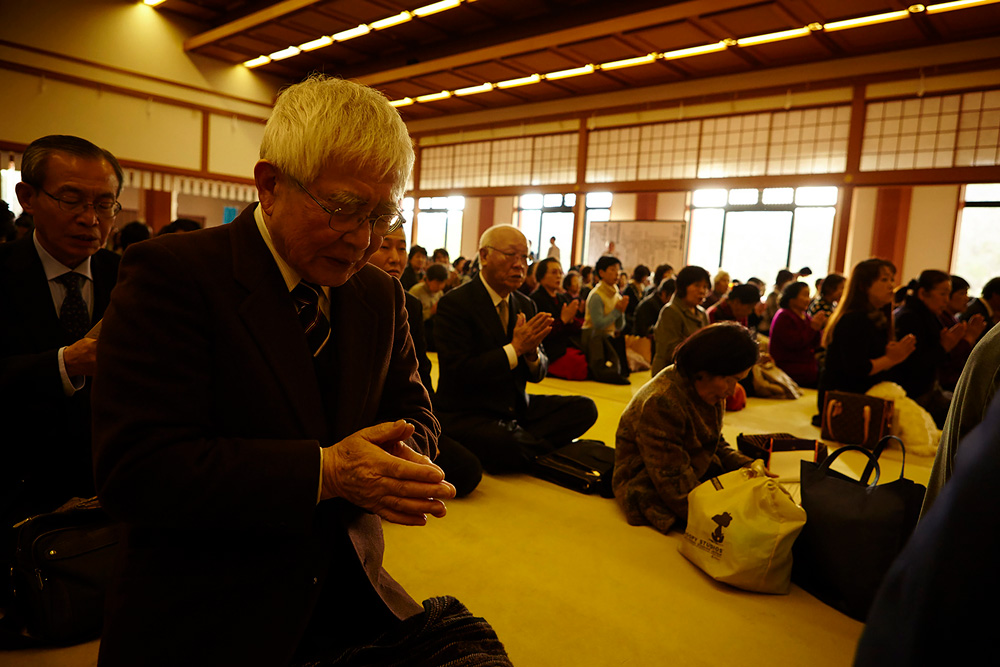
五穀豊穣、子孫繁栄、無病息災を八百万の神に祈る。
心の持ちようによって物事は鬼にも福にも見える。
さて、これから何を選んで生きようか。
“A field to grow food and a roof to shelter from rain and wind is all we humans need to live,”says Walter, who lives in Tauta in a beautiful valley in the Miyama mountains.
The Tango Peninsula, where visitors from the mainland began to spread rice cultivation.
The rich fishing grounds of the Sea of Japan, with its crabs, porgies, rosy seabass and more.
Boat shops line the bays of quiet, clear waters.Amanohashidate, the“passageway of the gods,” and Maizuru, a natural port and military harbor.
Yosano or Ayabe, with their flourishing textile industry.Rice and vegetables grown in Tamba, and the wood from Miyama and Kitayama, which̶after their journey on the Yura River,the Katsura River and the Hozu River̶have helped build the capital.There, they joined with the tea leaves from Oji, and born was Kyoto’s unique culture.
This place̶almost a birthplaces of the Japanese people̶continues to develop even today:
bypass roads are built, tunnels are created, turning the area into a convenient, efficient region.
In the southern areas, close to Osaka and Nara, housing developments (“new towns”) and large commercial facilities are beingbuilt and the population is on the rise.
On the other hand, the old roads are being forgotten, and the old ways of life that were adjacent to them slowly disappear.They have existed here for countless generations, all the way back to ancient times, cultivating rice fields and creating industries.
They have prayed and begged countless gods for rich harvests, health and strong children.
Depending on one’s viewpoint, things either seem a curse or a blessing.
Well, what do we choose to live on in the future?
Kyoto, Japan̶ 2015-2018
回帰
1 / 12
YAMATO
1 / 10
悠々とある地へ
1 / 15
惑星
1 / 12
上海の流儀
1 / 35
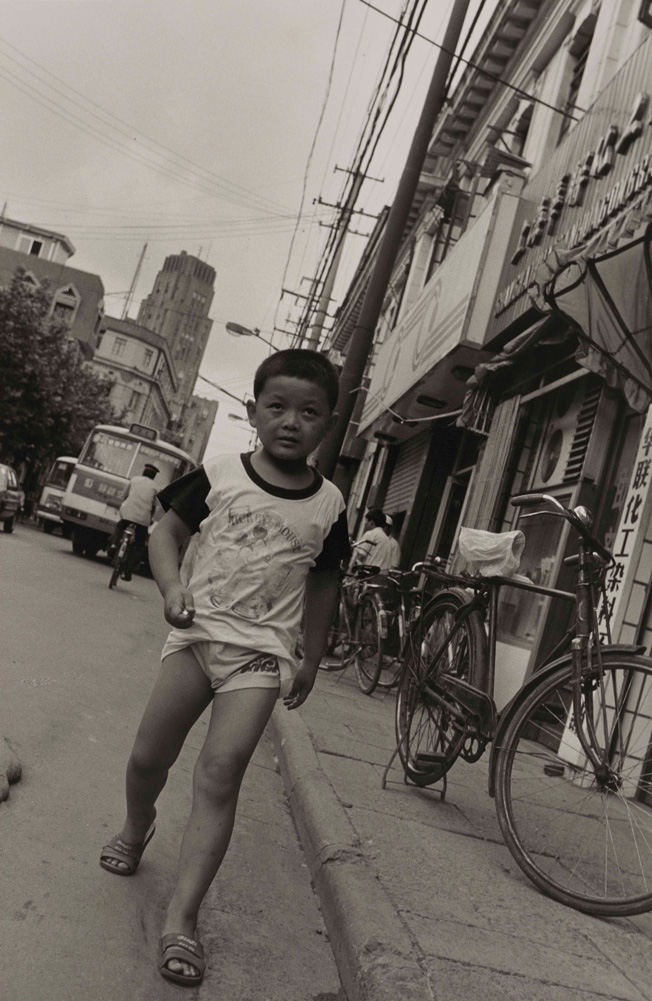
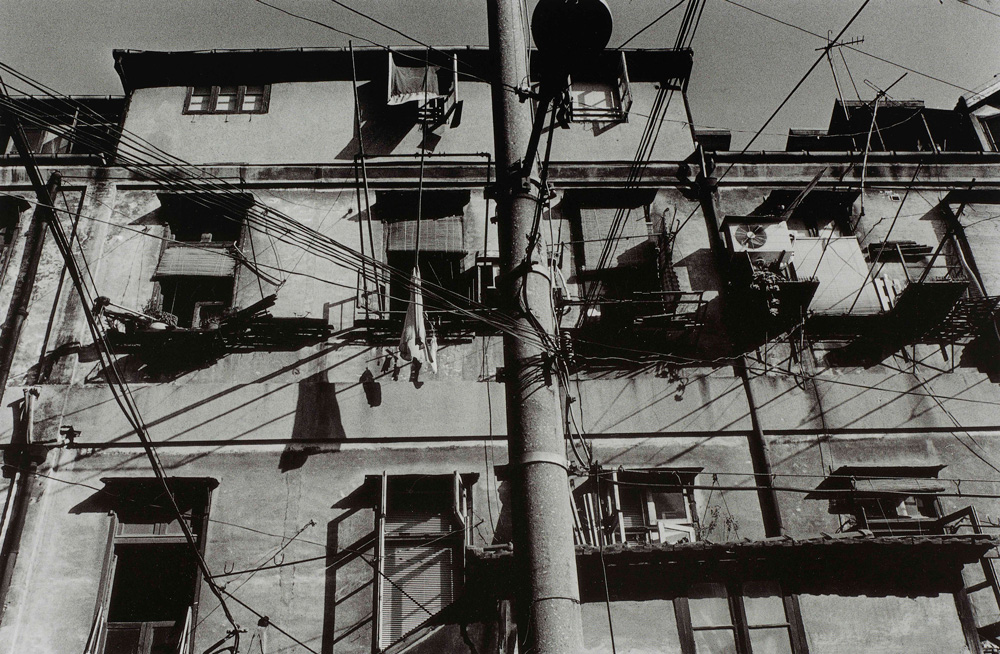
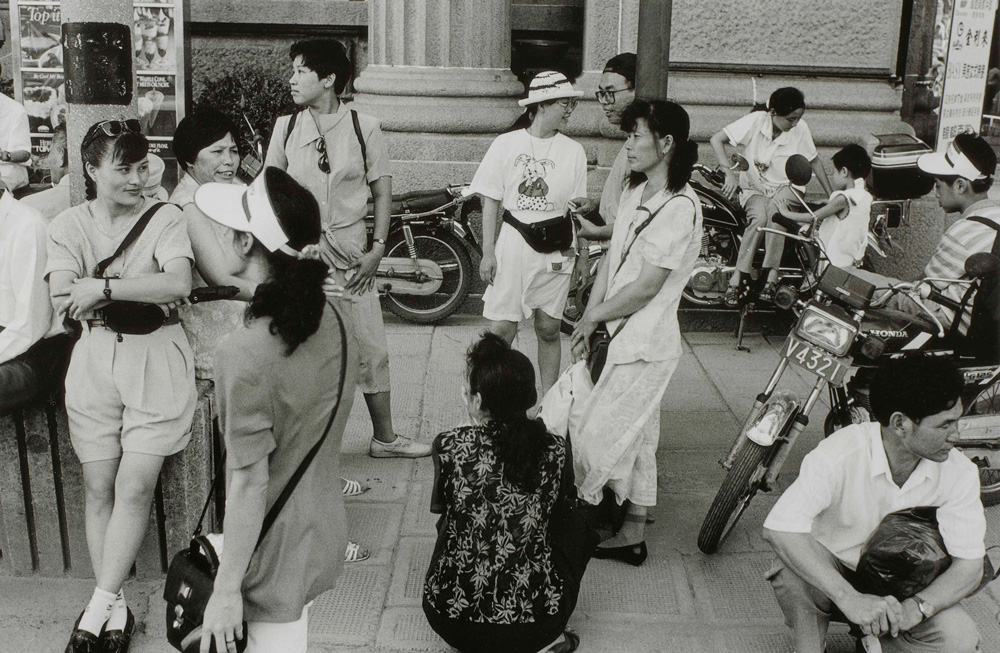
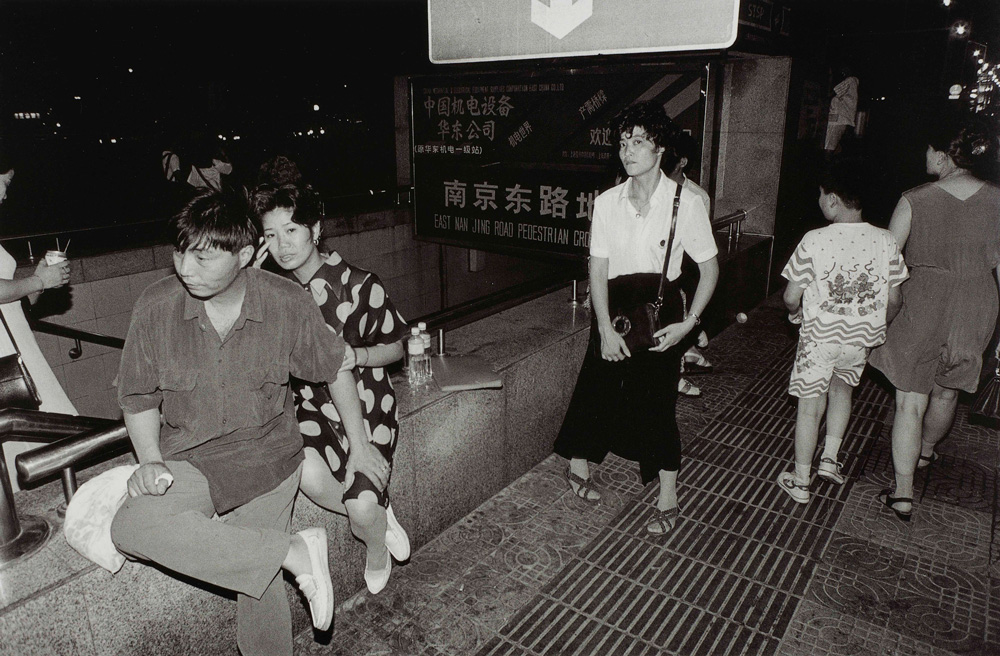
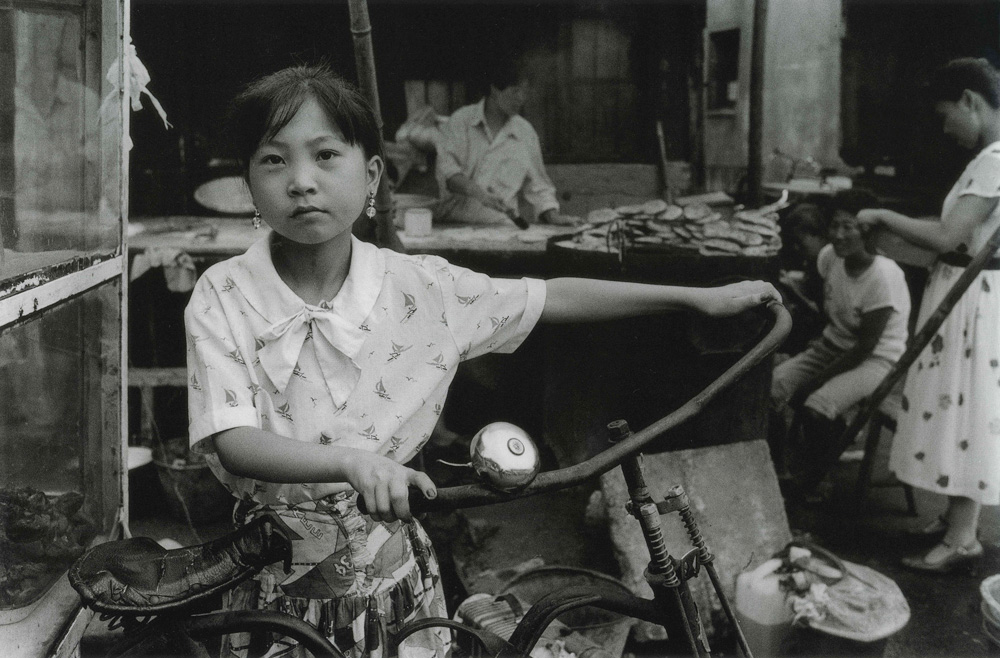
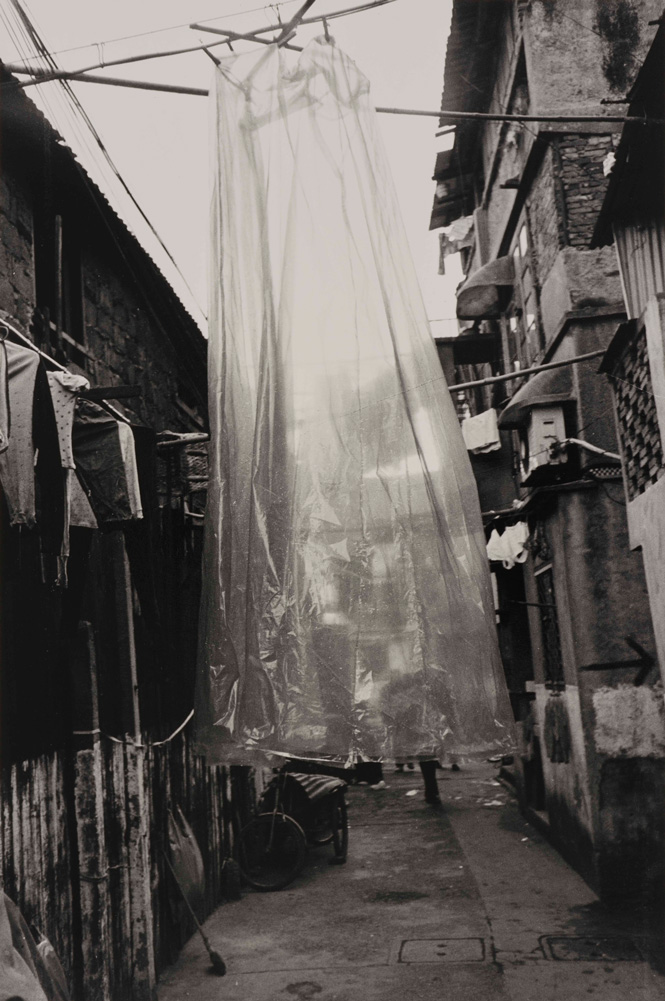
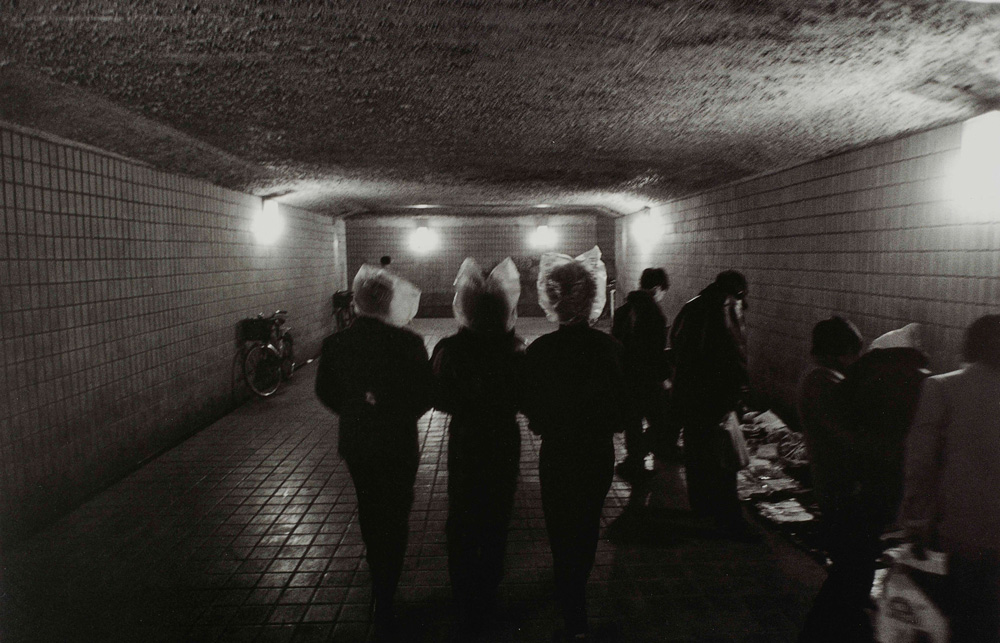
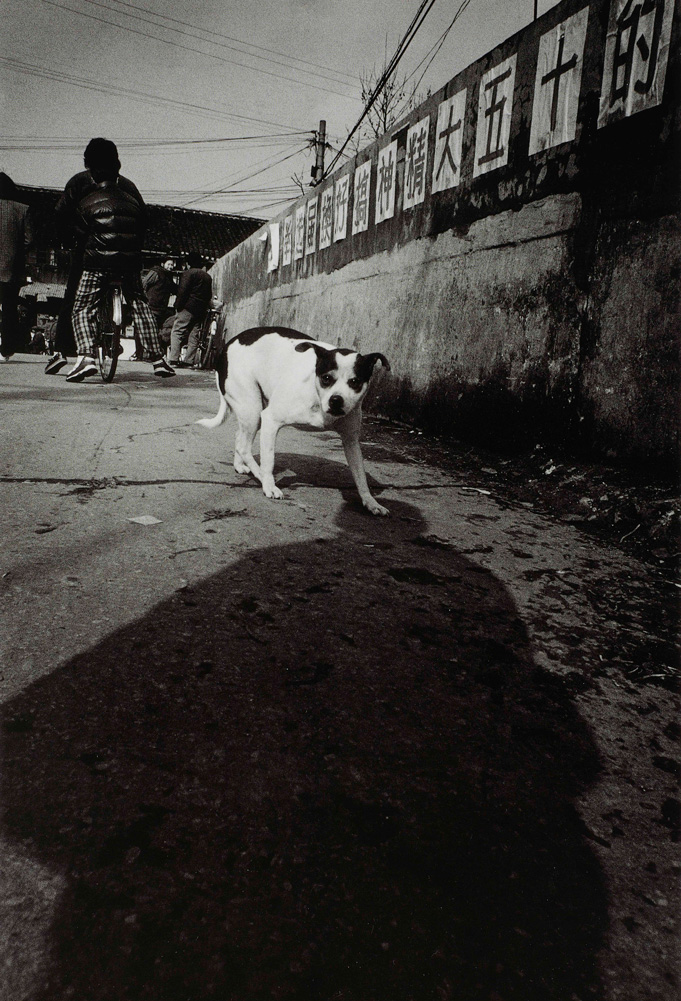
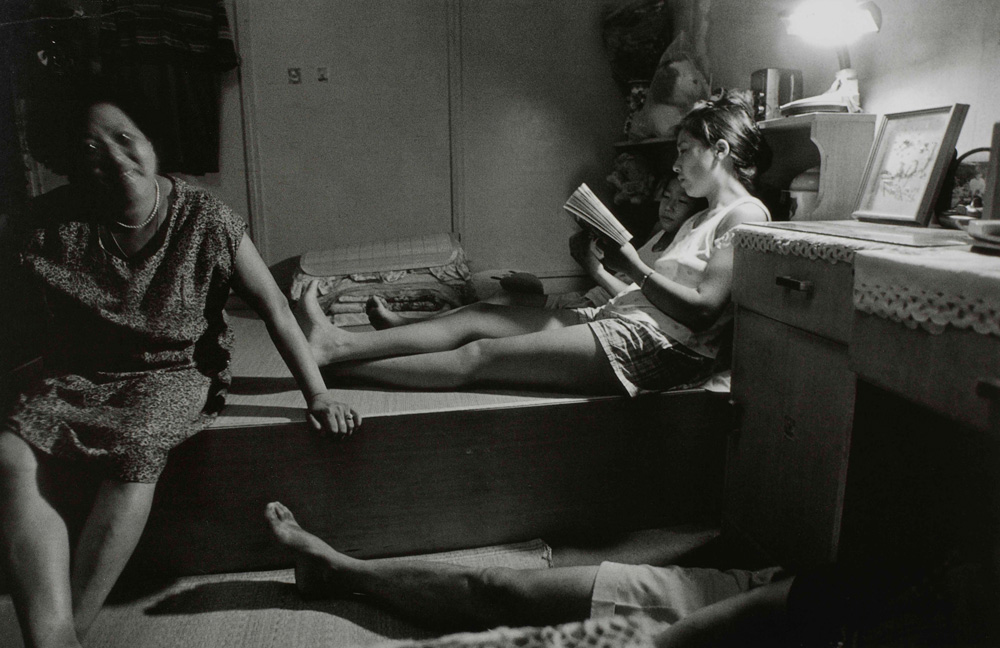
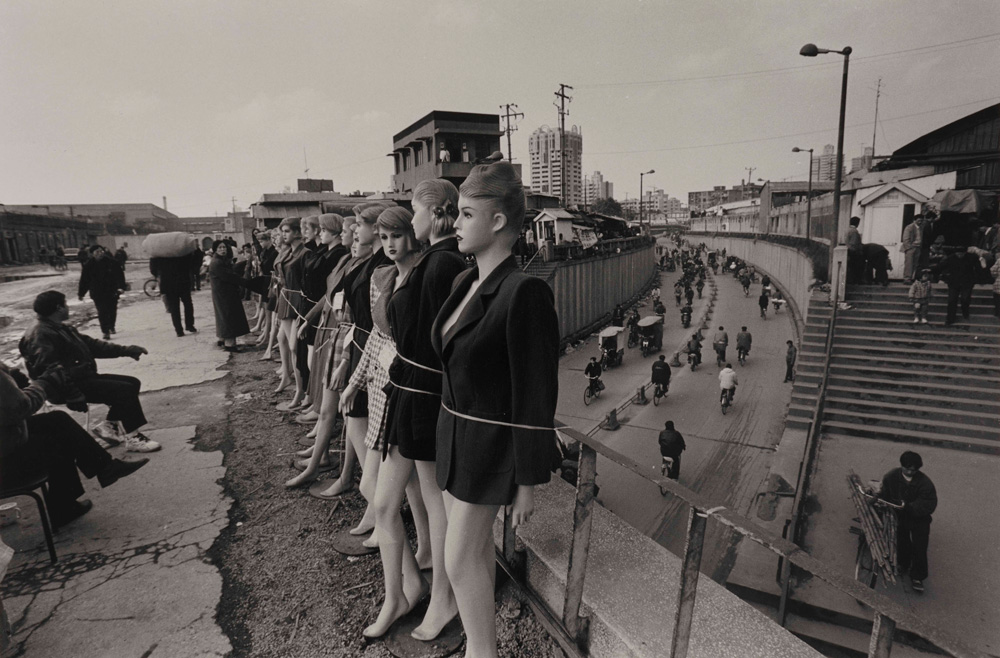
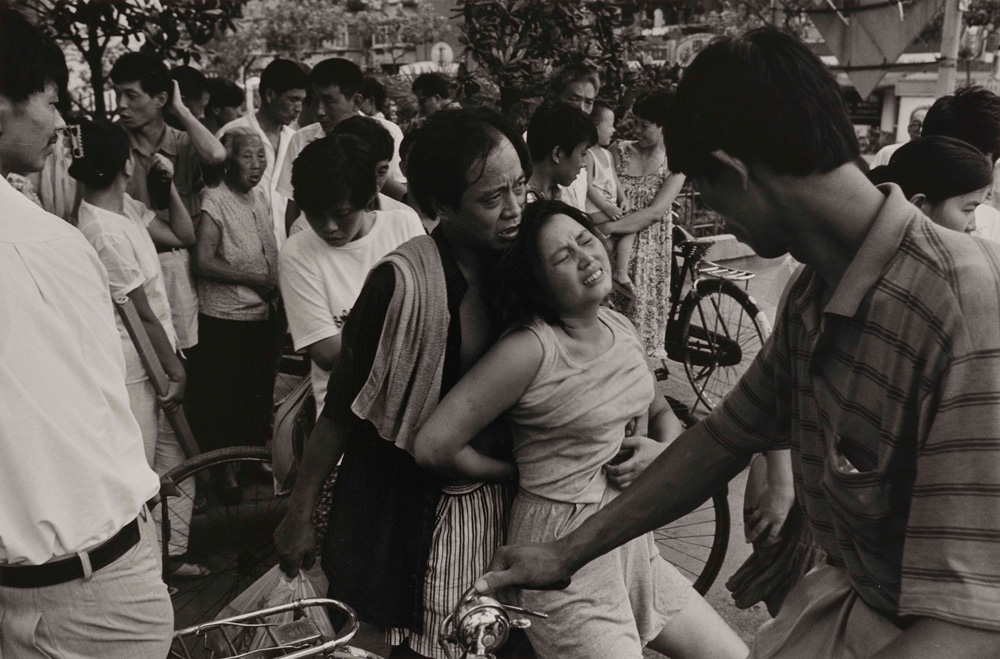
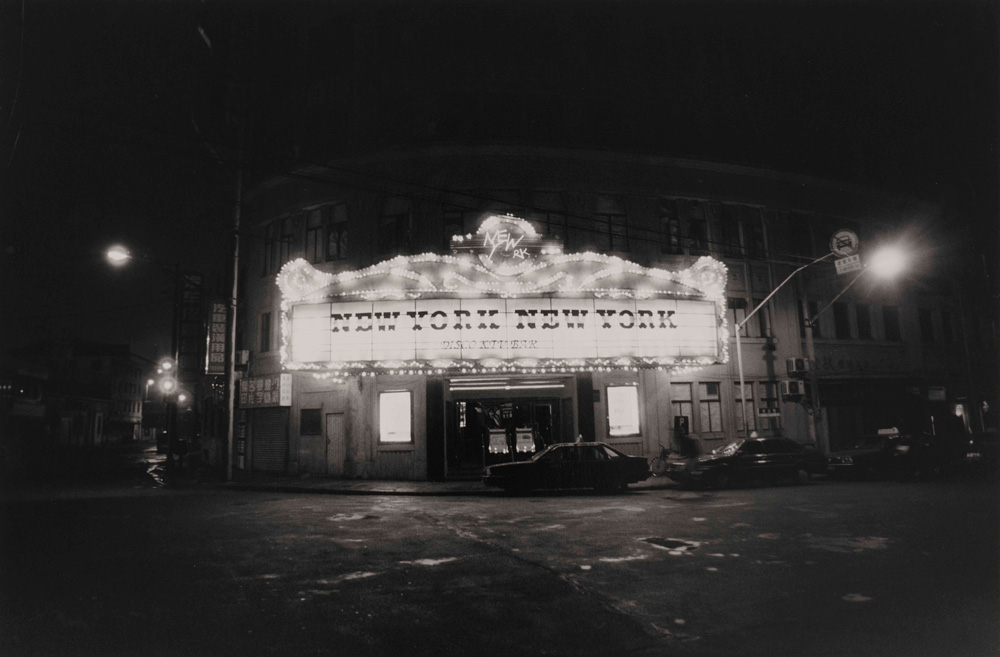
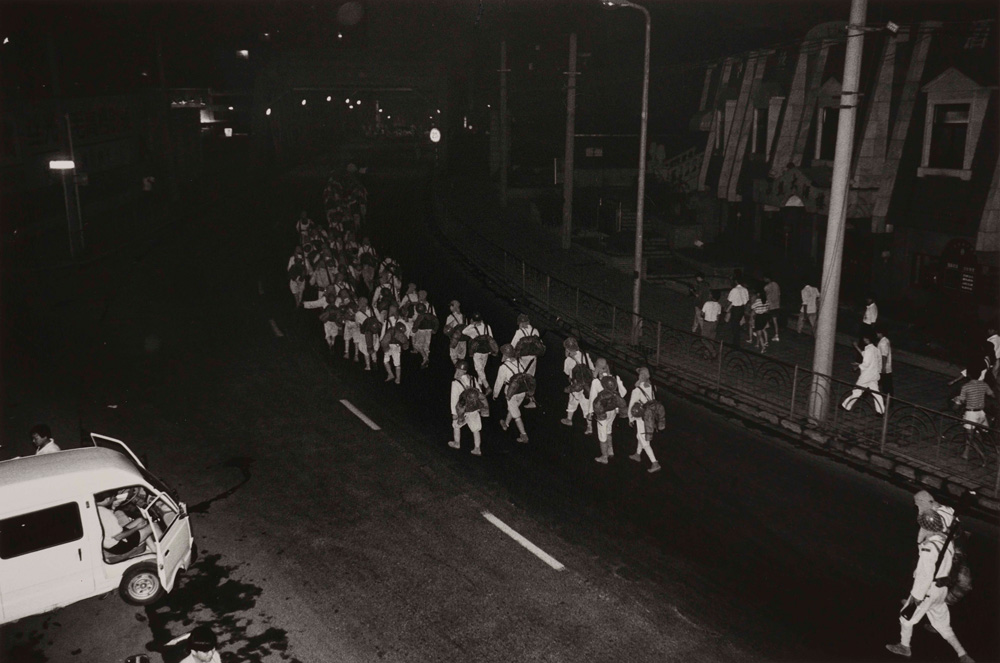
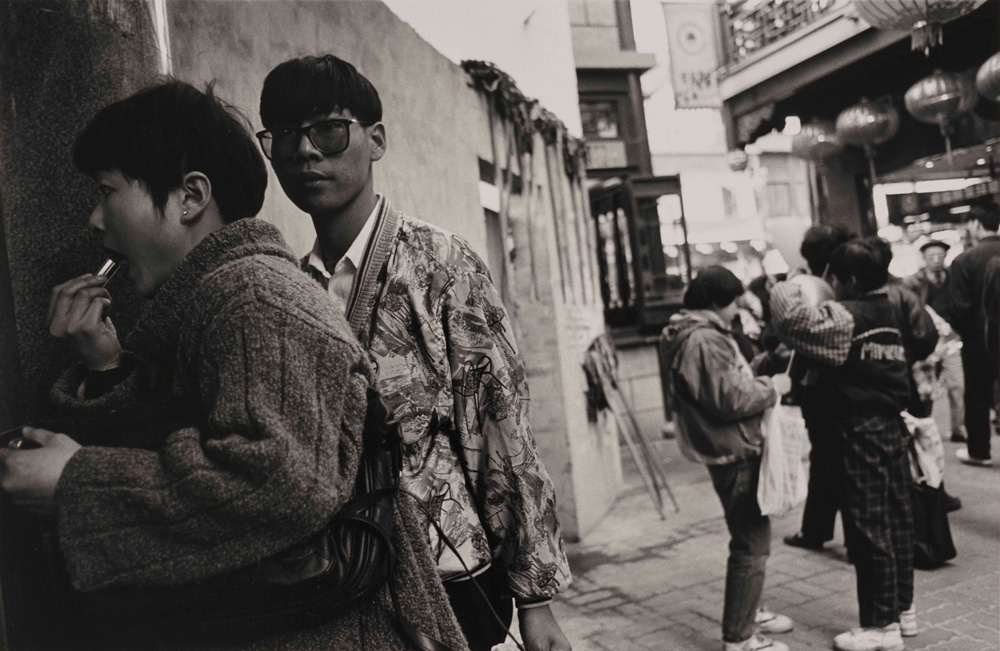
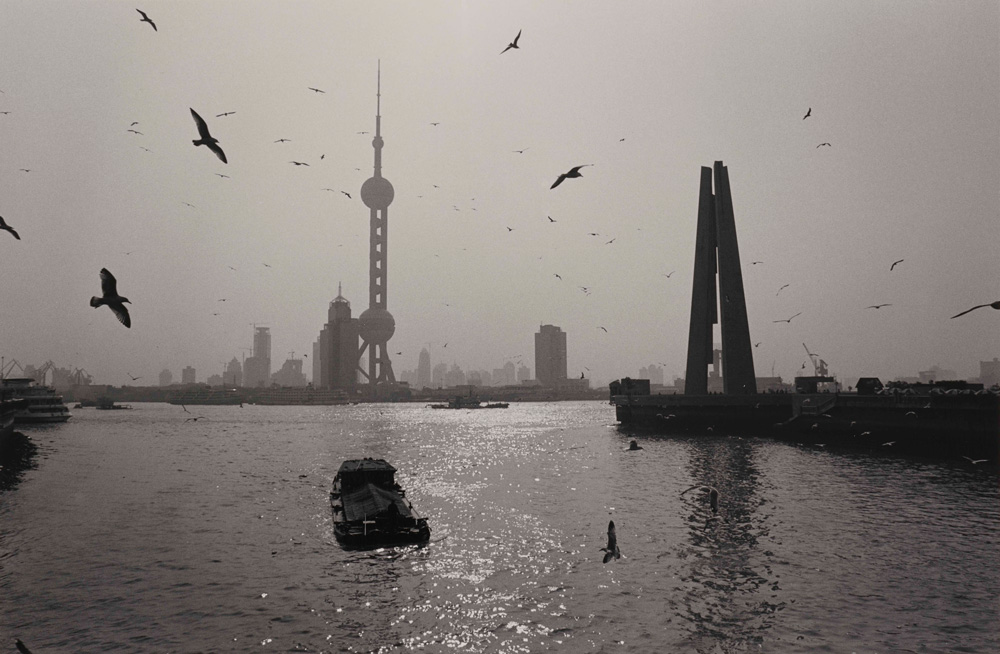
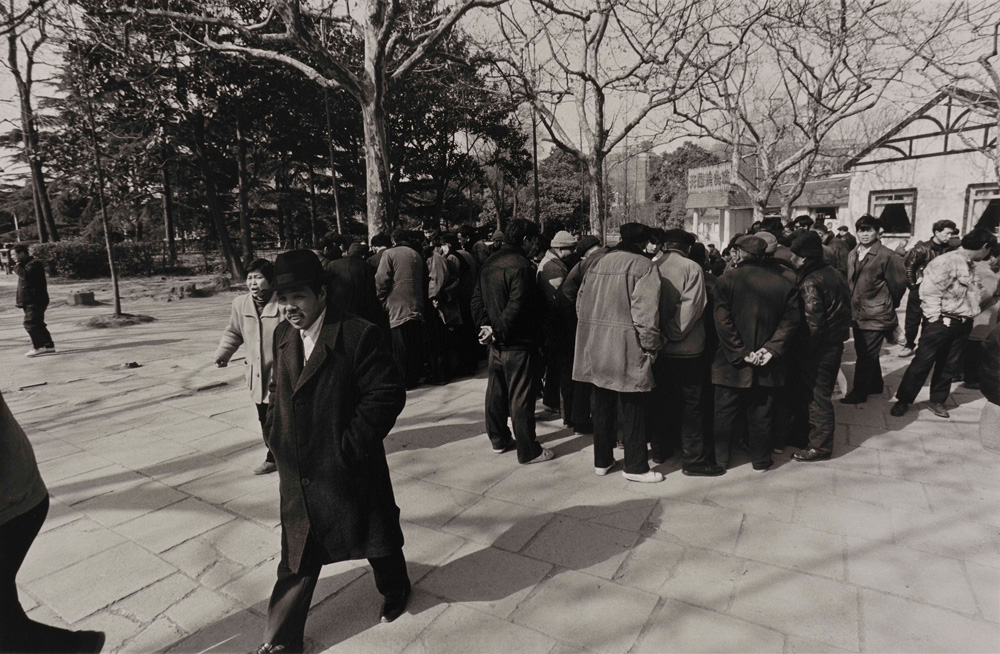
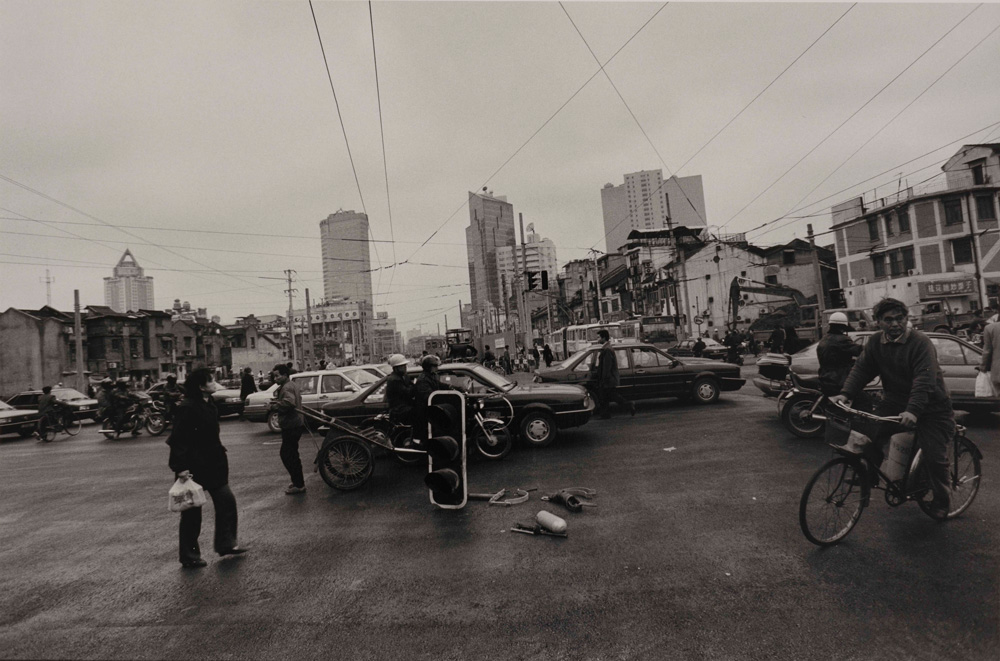
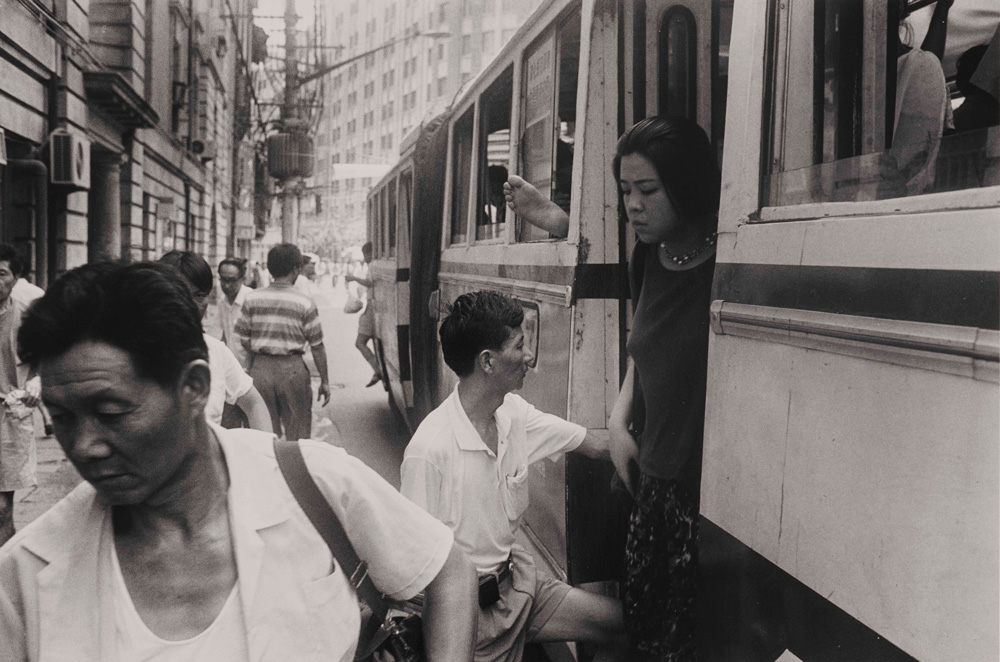
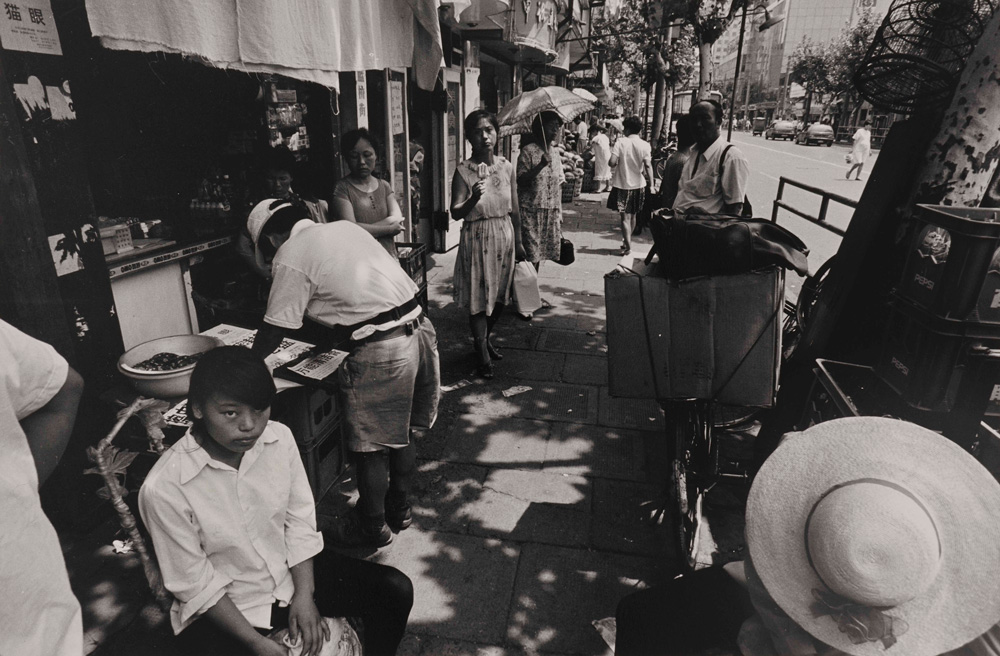
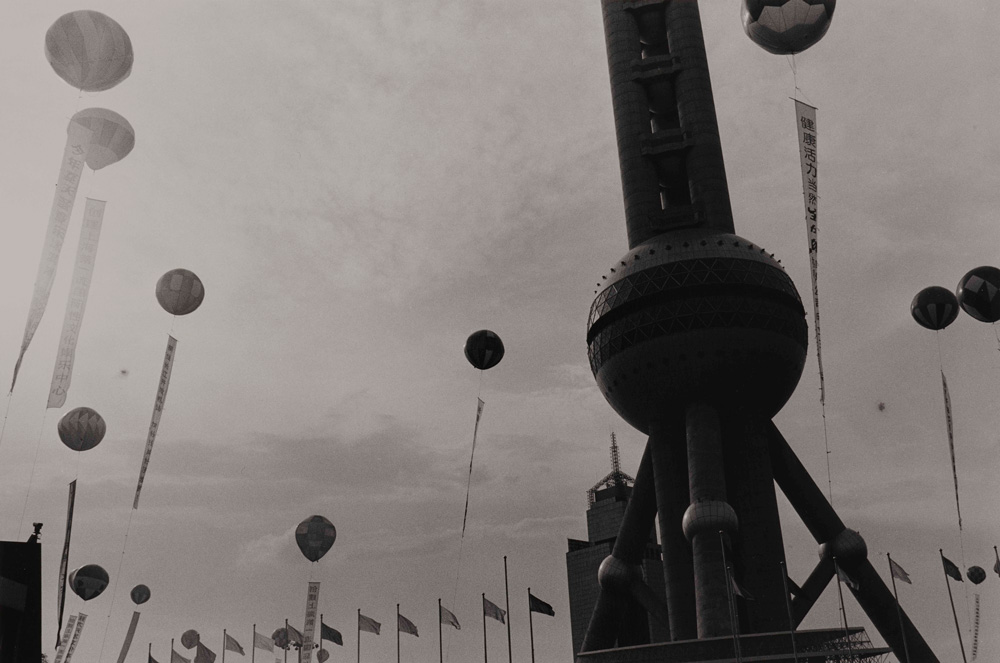
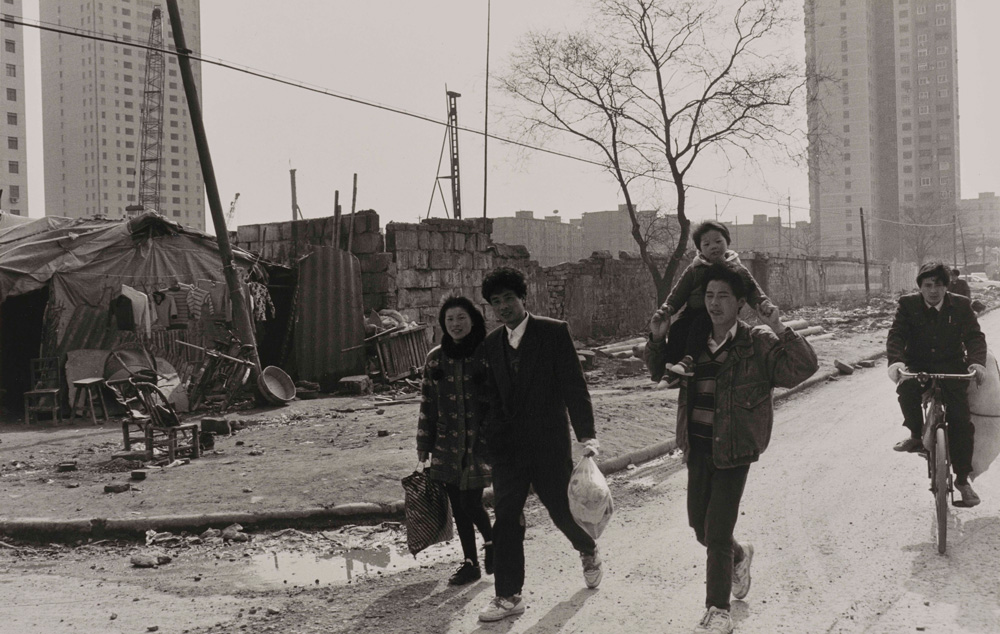
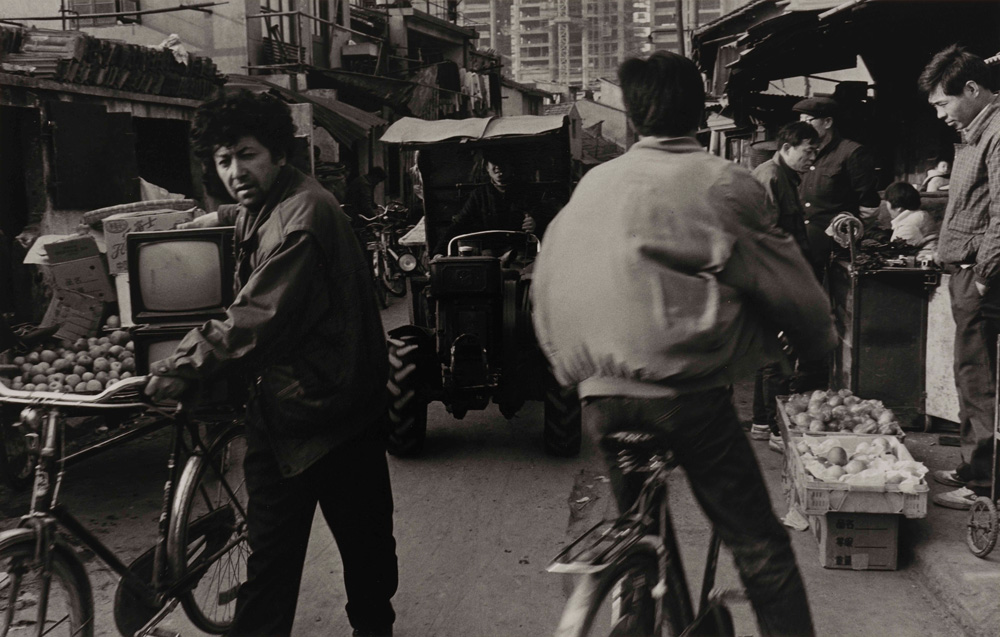
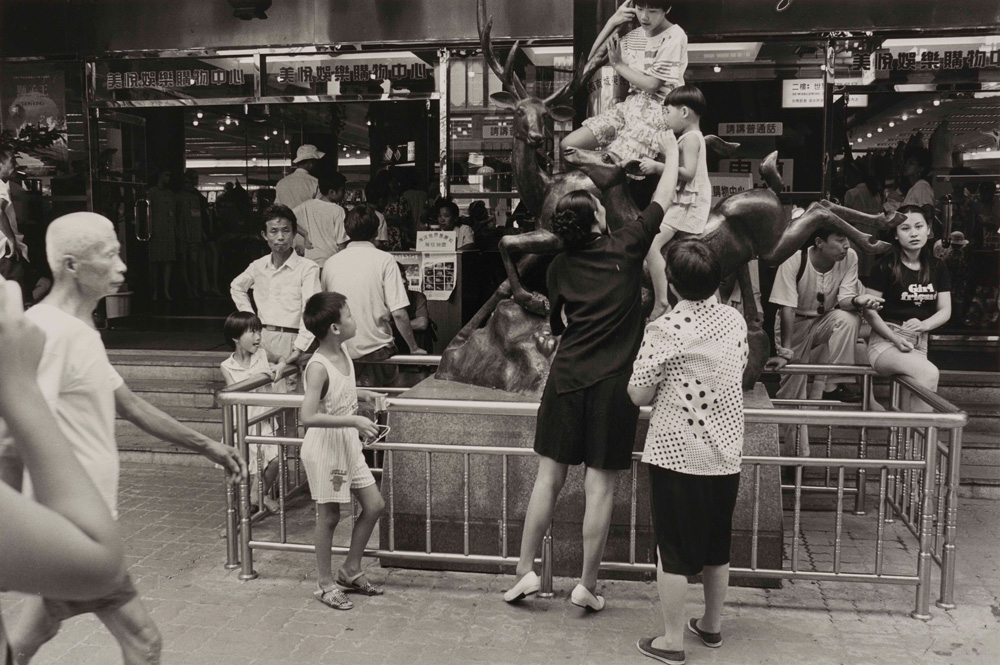
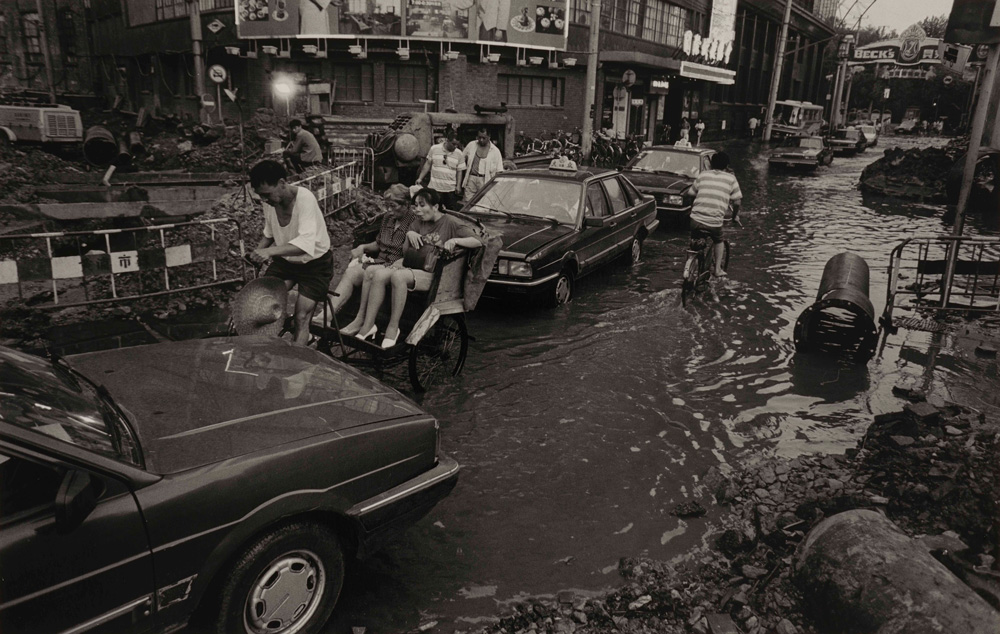
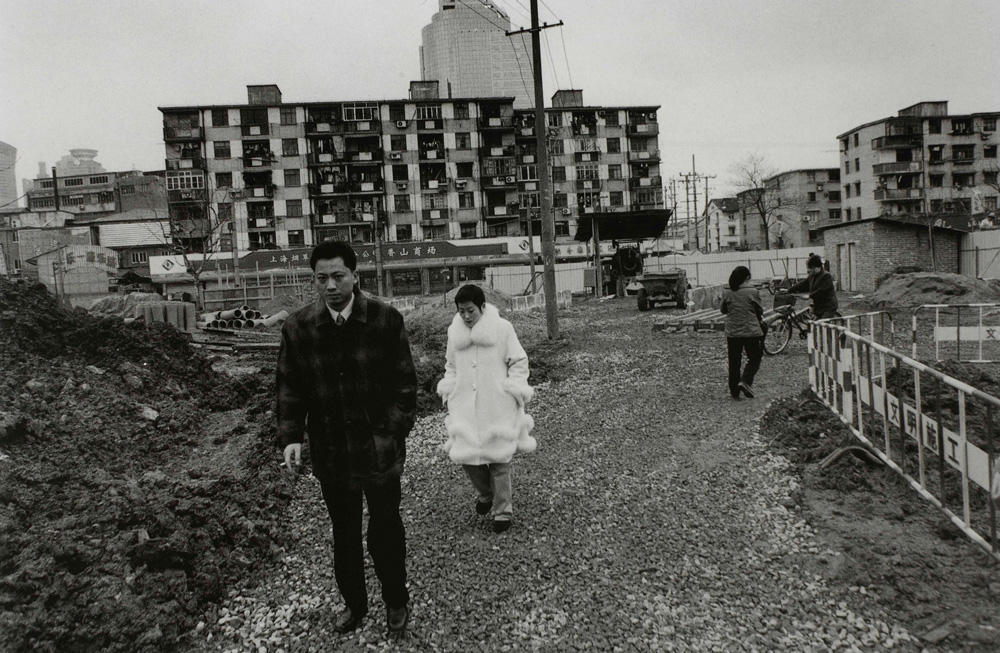
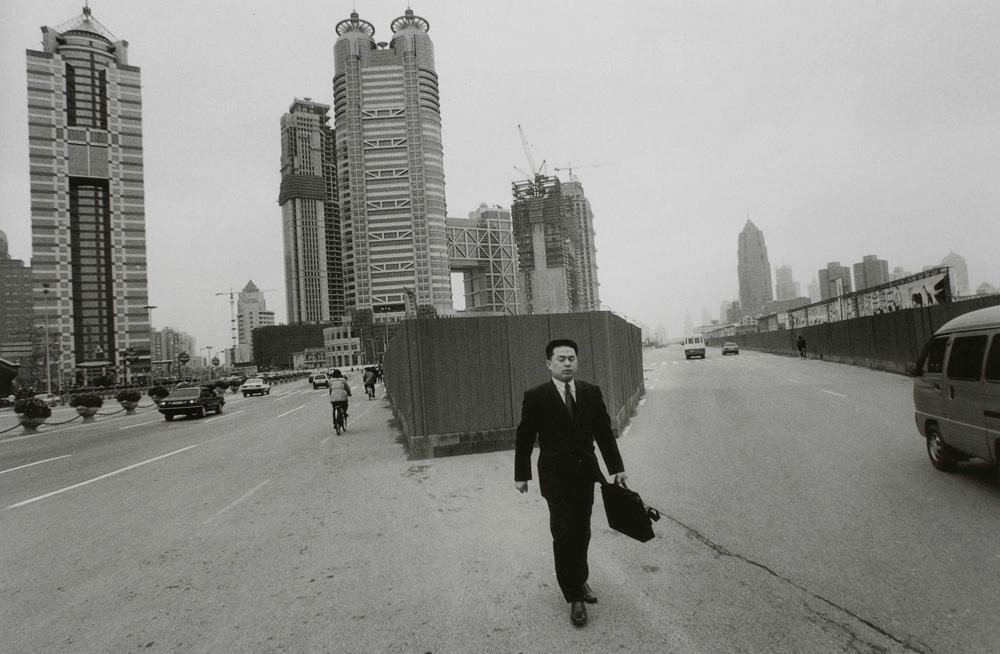
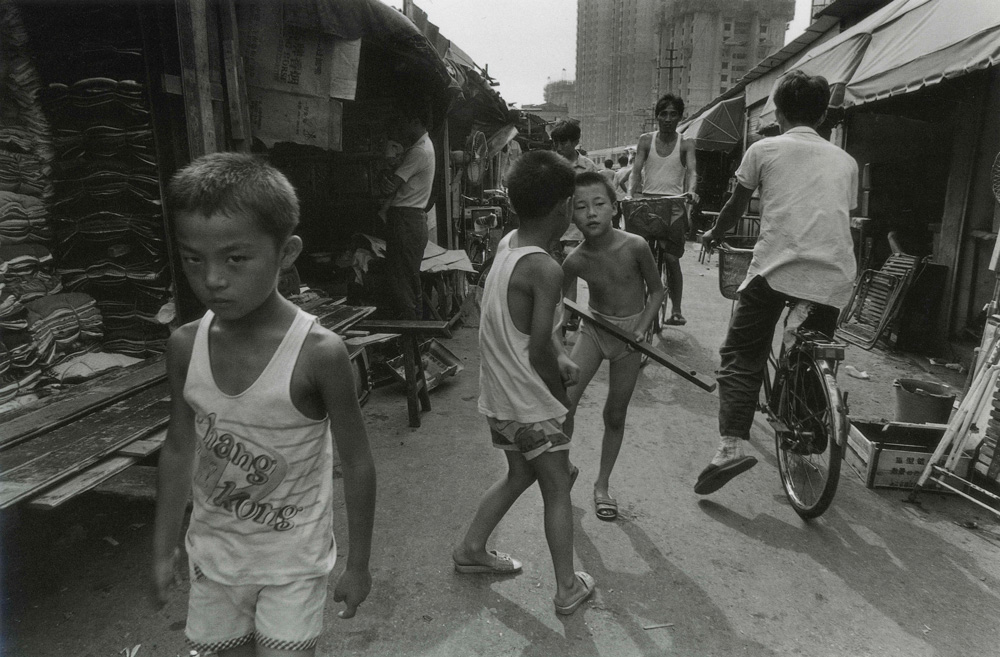
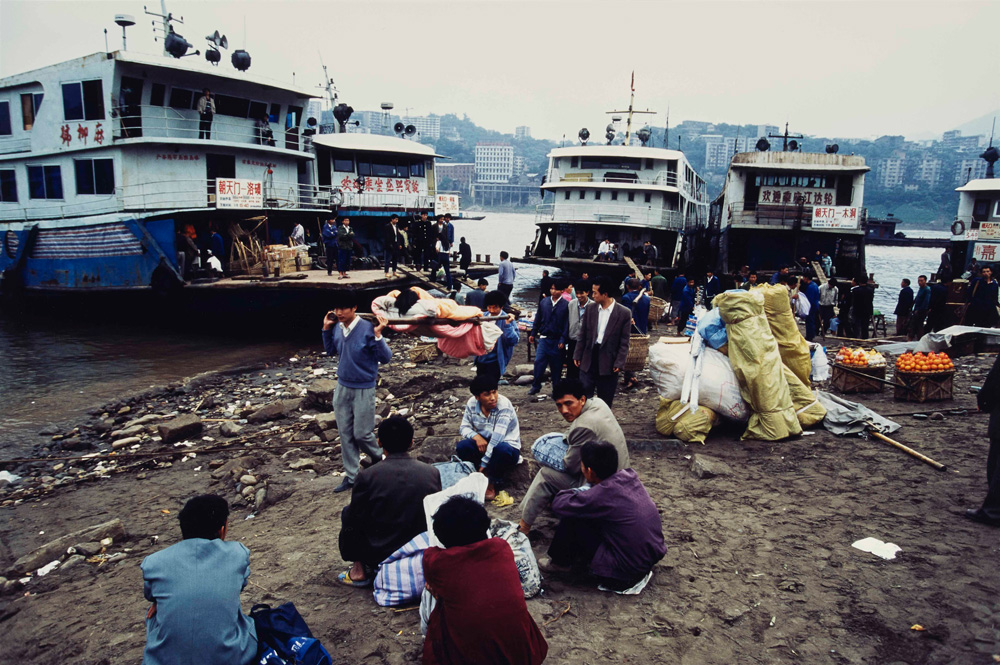
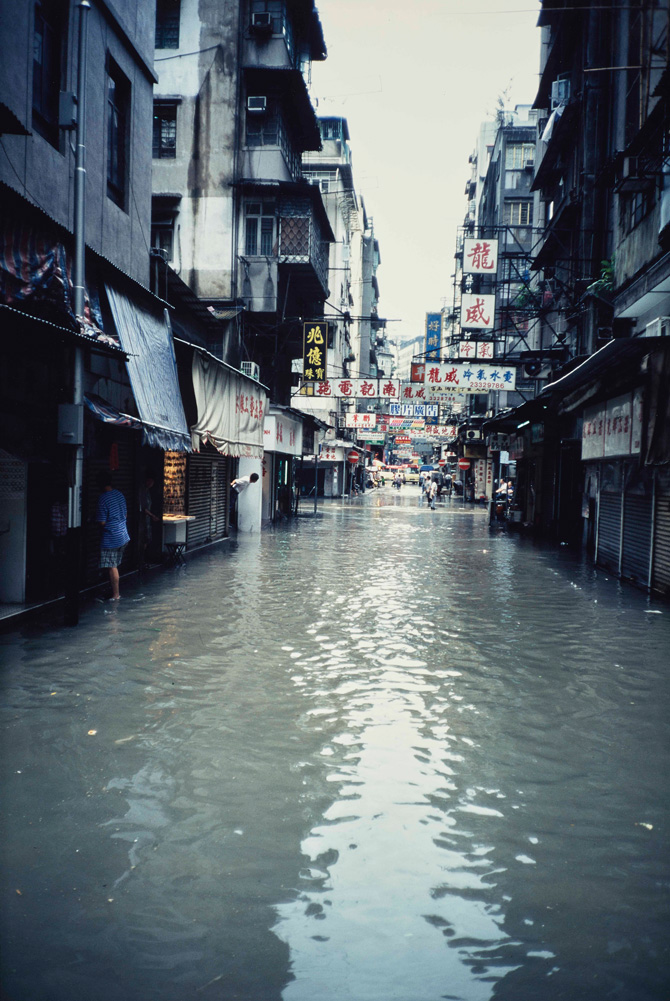
海の色が茶色にかわる。その変わり目は、比重の違う水のためブルーと黄土色のラインがくっきりとわかる。
対岸が見えないほど広大な長江から支流の黄浦江へと進む。
客船や貨物船、軍艦の間を抜けて、目の前に外灘西洋租開時代のアールデコのビル群が広がり魔都上海に着く。
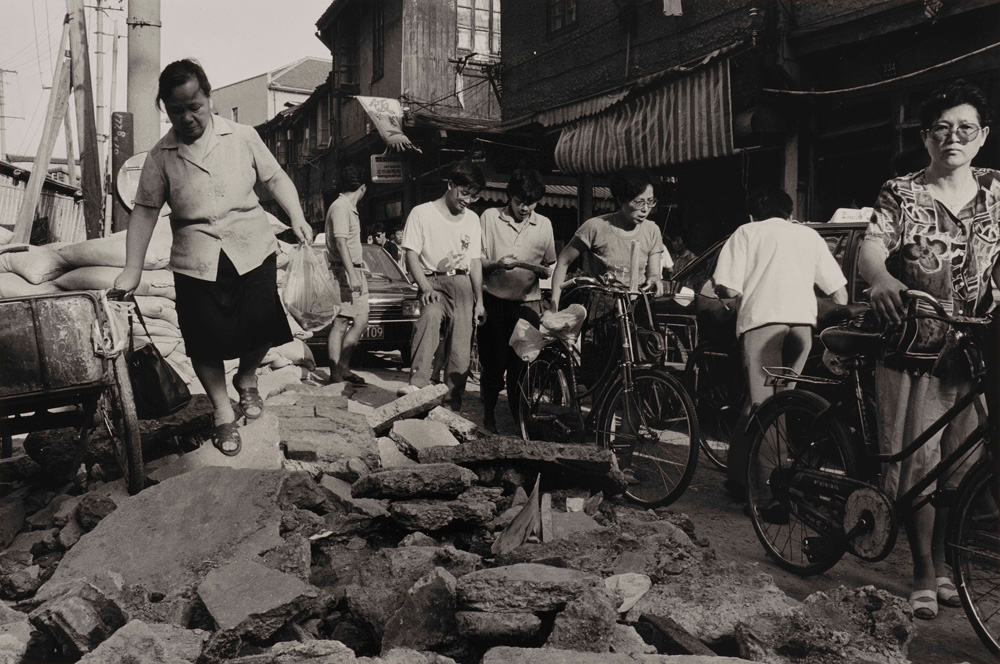
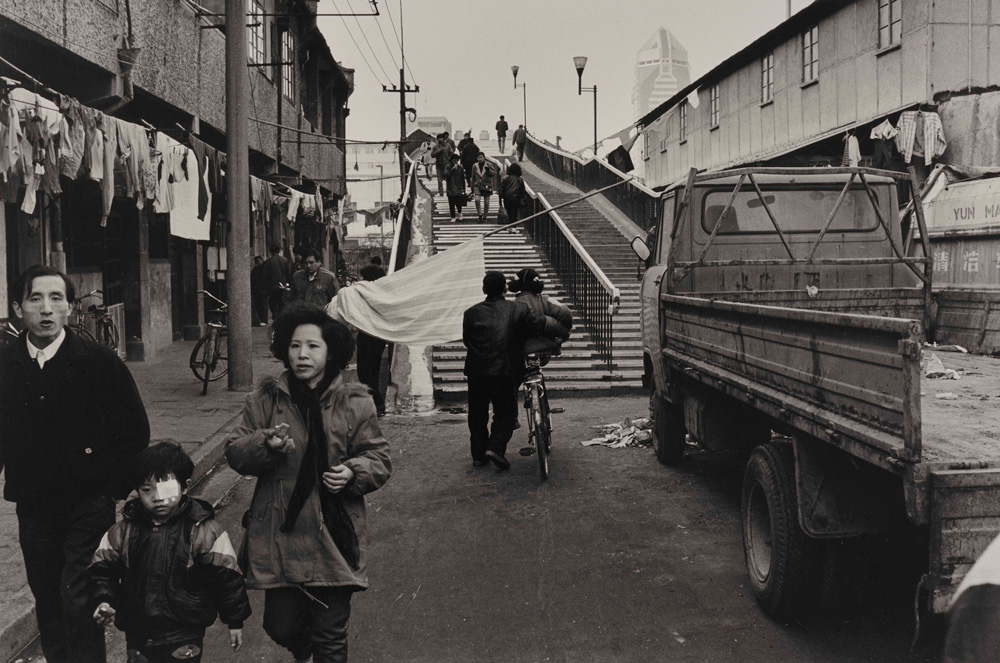
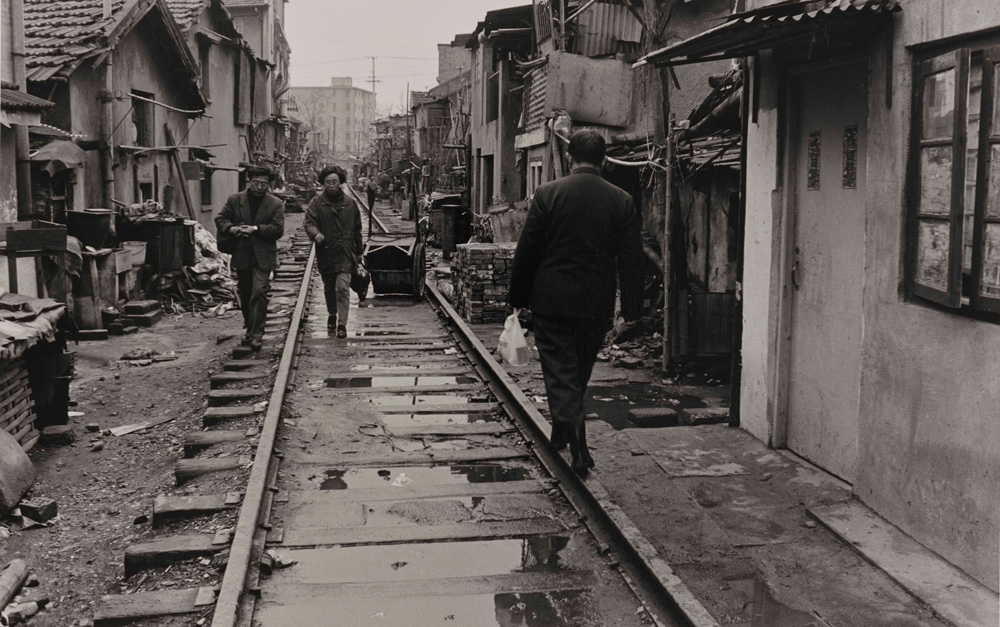
私が街を歩くときはまず地図を広げ気になる場所を2つ決め、その間をあっちへふらふら、こっちへふらふらとさ迷い歩く。
この日は外灘から渡し舟に乗り込み浦東に渡り南浦大橋まで歩くことにした。
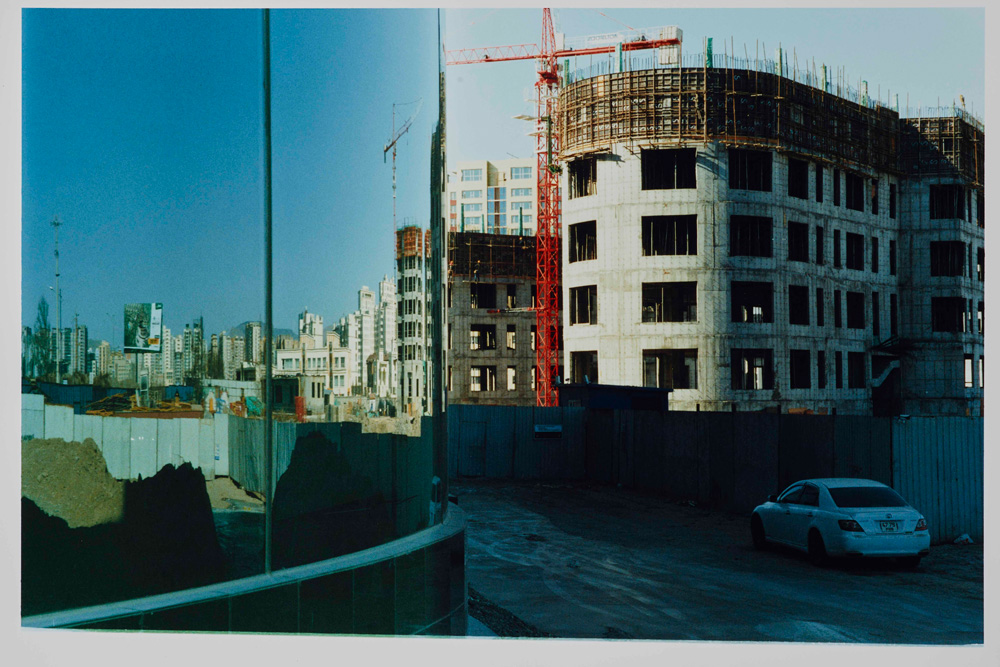
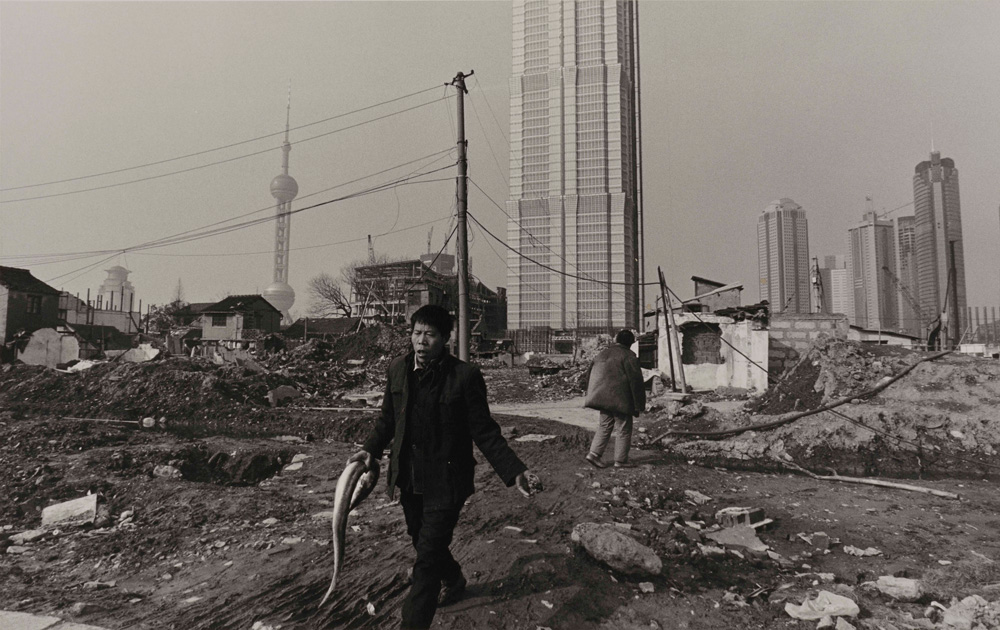
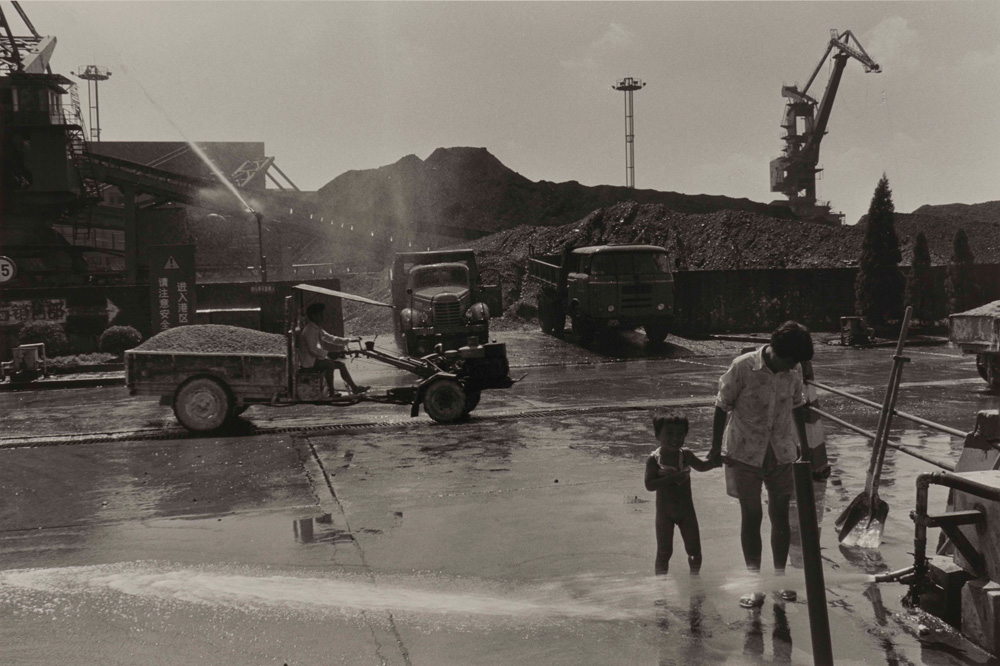
その浦東は開発区として中国政府主導で建設が進められ、半年も訪れないと見知らぬビルが雨後の筍のごとく姿を現した。
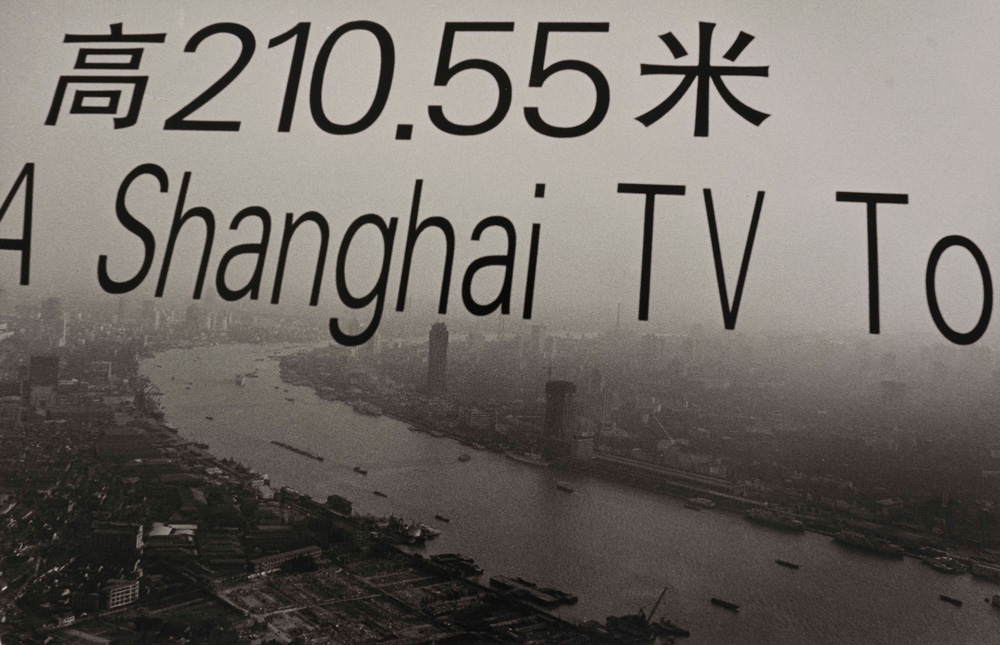
浦東地区はもともと造船所や農作地が広がっていた。そこにまずシンボリックなTV塔が建てられ、住民の強制立ち退きで太い大道が引かれ地下鉄2号線、証券取引所、新空港、東洋一のホテルタワーなどが連立した。
その新世紀計画の狭間を縫い歩き、砂埃にまみれ開通前の幹線道路を行く。
そこで太刀魚を積んだリヤカーにであった。
大きなリヤカーに10尾くらいの太刀魚を並べ私の脇をゆっくりと抜けていった。
しばらくするとリヤカーの荷台から1尾が転がり落ちた。乗っていたオッサンがめんどくさそうに降りてきて魚を拾い上げると、一目散に空き地へと歩き出し、迷わず水溜りに太刀魚をつけた。
すると水しぶきをあげ着いた泥を洗い太刀魚を右手に持ち何事もなかったかのようにオッサンはまたペダルをコイでいった。
そして私もまたカメラを持って歩き出した。
The sea turns a brown color. The line between the blue and ocher-colored water is clearly visible due to the different densities of the water.
Here, the small Huangpu River flows into the Yangtze, a water so wide that the opposite shore is just out of view. Passenger boats and transport vessels emerge from between the military ships and arrive in a Shanghai where Art Deco buildings spread out before them, from a time whenWesterners settled in the Waitan district.
When I walk around in a city, I begin by folding out a map and marking two interesting spots.
Then, making many detours, I let myself wander through the city towards them.On that day,I decide to take the ferry from Waitan to Pudong, then walk to the Nanpu Bridge.
Pudong is a developing area, with constructions projects spearheaded by the Chinese government;if you fail to visit for half a year, you will find completely new buildings have popped up like bamboo shoots after rainfall.
The Pudong district used to be an area for shipyards and agriculture.
Then, with almost symbolic meaning, a TV tower was erected here, and after the residents had been forcefully evicted, large roads, subway stations, a stock exchange, a new airport and the largest hotel tower in East Asia were built here.
Walking between these buildings of the new century, I head towards the dusty tracks of a high-speed railroad that will soon be officially opened.
I see a handcart filled with cutlassfish. I see ten of the fish cleanly lined up on the large cart asit slowly passes me by. A while later, a fish falls off the back.
The old man pulling the cart gets off his bike, annoyed by the ordeal, to pick up the fish.
Suddenly, he runs off at full speed towards an empty lot, throws the fish into a puddle and washes the dirt off it in the splashing water. As if nothing had happened, the old man starts pedaling his bike again.
Then I, the camera in my hands, start walking again as well.
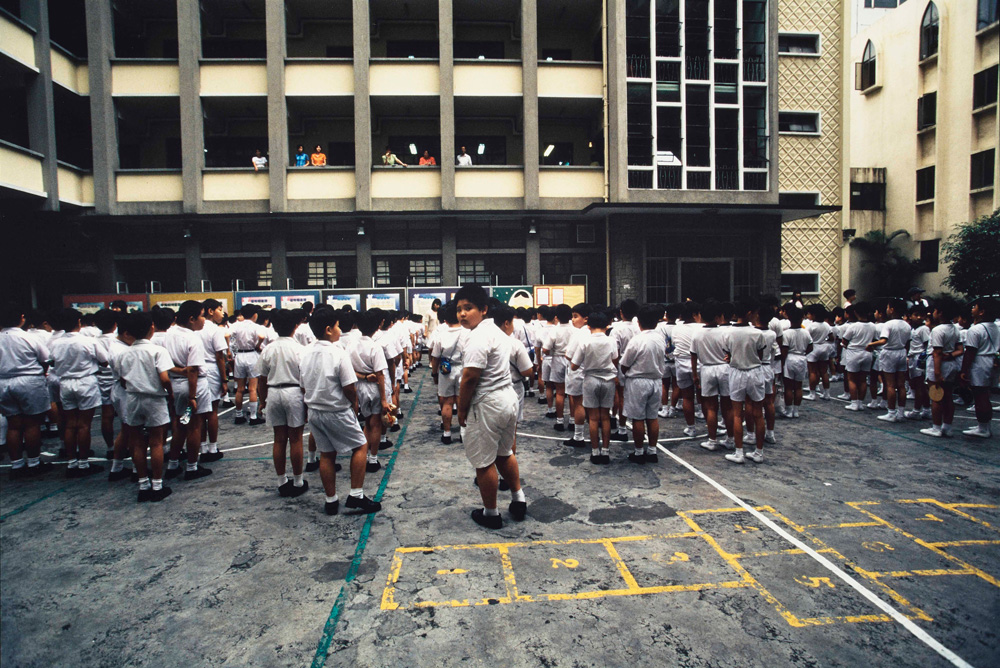
Shanghai, China̶ 1994-1999